Call to confirm opening hours Car repair, service and body shop in Al Quoz, Dubai +971 50 608 7150
Door faults assessed in Al Quoz

Car Door Repair in Dubai

A door that will not latch, unlock or sit correctly needs the right repair. Mechanics assesses hinges, latches, handles, seals and damaged door panels so the work matches the fault.

A very small suitable door dent has a published planning start of AED 210. Locking faults, damaged hinges and a replacement door are different jobs. Compare the guide below, then ask for your car’s quote.

Repair and replacement choicesWritten quote on WhatsApp
Separate the jobs

Car door repair price guide

These published Dubai starting examples help you budget. They are indicative market guides, not confirmed Mechanics prices. The actual fault, parts and access determine your quote.

WorkPlanning start including 5% VATWhat the figure covers
Central-locking check and basic repairFrom AED 157.50A published service starting example. Replacement latches, actuators, wiring, coding and difficult access can add cost.
Very small paintless door dentFrom AED 210Per very small suitable dent, about 1 cm, with intact paint. Aluminium panels, door edges and larger or complex damage need a different assessment.
Single-panel body repairFrom AED 315Per panel as a published starting example. Confirm the metal repair needed. Paint, parts, corrosion and structural damage are separate decisions.
Door panel paintingFrom AED 315Per panel as a painting starting example. Dent repair, special colours, adjacent-panel blending and removal of fittings can change the total.
Hinge, latch, handle or seal replacementVehicle-specific quoteConfirm the failed part, quantity, parts source, labour and any setup. One component is different from a complete door assembly.
Complete door or powered-door repairVehicle-specific quoteSeparate the shell, transferred hardware, glass, trim, wiring, paint and model-specific testing. Structural body work may also be needed.

Published price references checked in October 2026 include Golden Horse’s central-locking guide and body repair guide, and MrCAP’s small-dent guide. Their stated 5% VAT is included in the numerical examples above.

Start with the symptom

What is your door doing?

Select the closest problem. This helps describe the enquiry, while inspection establishes the cause.

Check the latch, hinges and fit

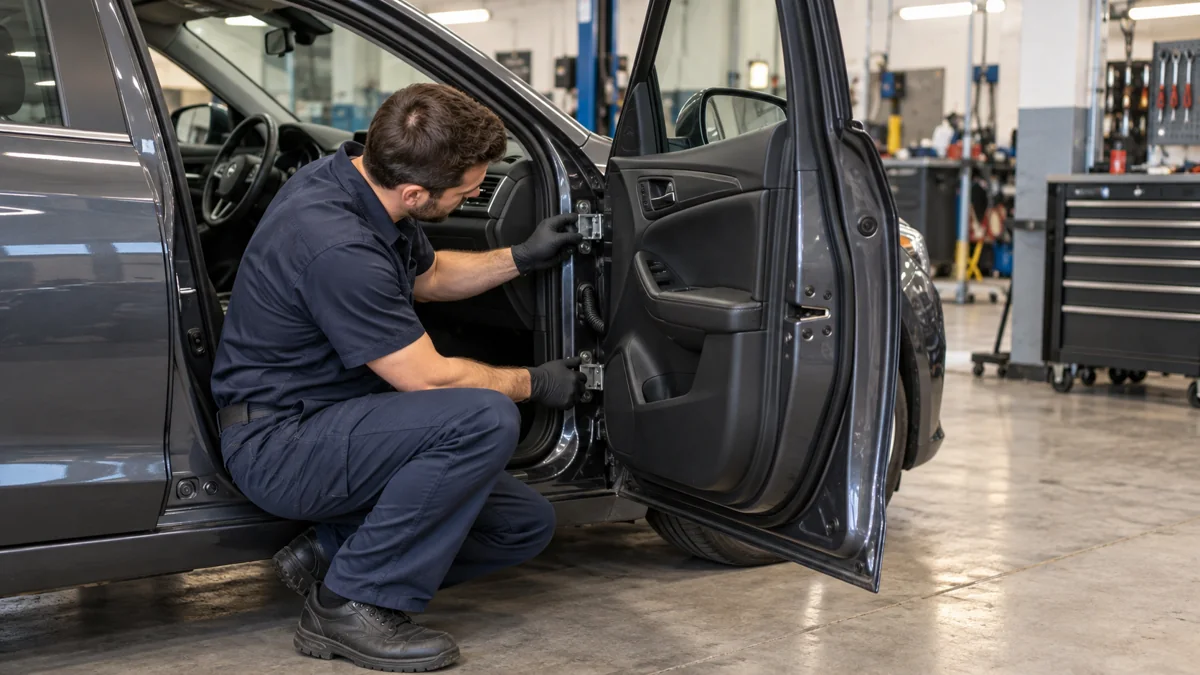
A latch that misses the striker, a sagging hinge or impact damage can affect closing. The striker is the fixed catch on the body. Gaps and mounting points need checking before moving it to compensate for another fault. A check strap limits door travel and helps hold it at opening positions. Clicking or poor support while opening needs a different check from a latch that will not close.

What to do nextDo not drive if the door will not latch securely. Stop forcing it and arrange assessment or suitable vehicle transport.

Separate the release from the lock

Describe whether the inside handle, outside handle and central locking each work. A rear child-lock setting, release cable, linkage, latch, actuator or wiring fault can cause different symptoms. One failed door is different from every door failing together.

What to do nextSend which handle works and whether the problem follows a flat battery, previous repair or water entry.

Trace the leak before replacing the seal

Inspect weatherstripping, glass position, the door moisture barrier and drainage. Uneven door fit can also leave a gap. A wet carpet does not prove that the visible outer rubber seal is the cause.

What to do nextSay where the water appears and whether it follows rain or washing. Photograph damaged seals and wet trim.

Check function as well as the panel

A parking ding may be suitable for paintless repair. An impact that changes door gaps, hinges or the body opening needs a broader assessment. Compare paint condition, access, panel material and the integrity of the door shell.

What to do nextSend a full-door photograph, a close-up and an angle showing the dent or gap.
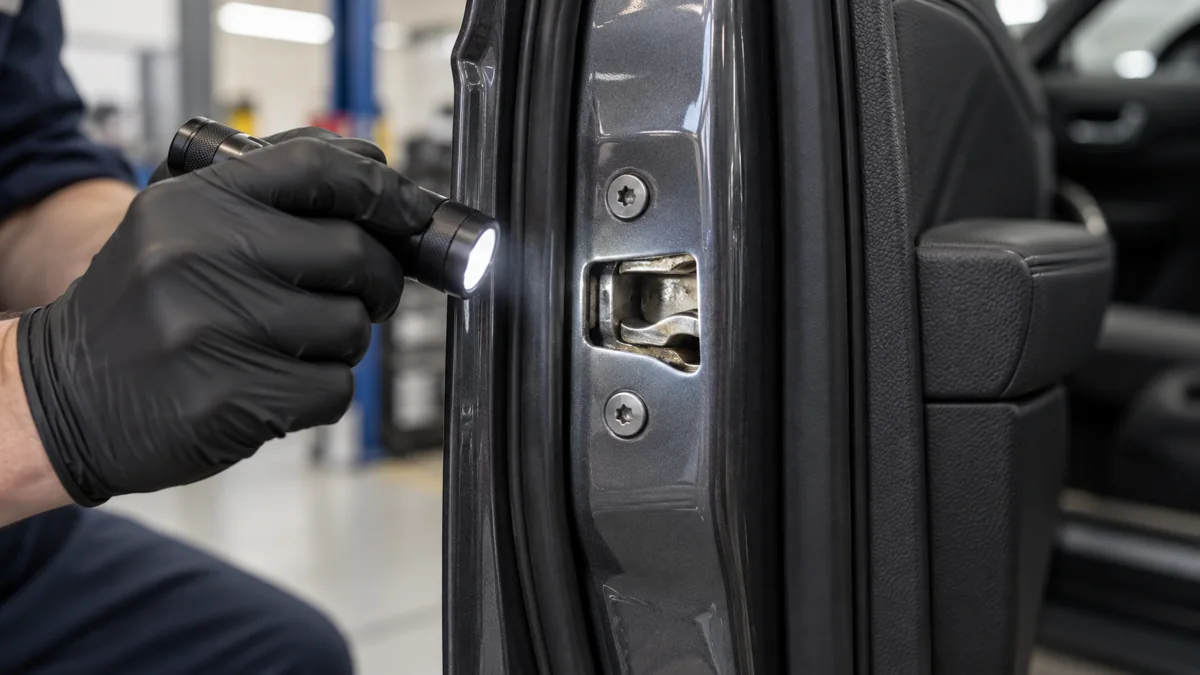
Car door latch being examined with an inspection torch
Inspecting a car door latch.
Locking and security

What happens when you try to lock it?

Tell us which doors respond to the key, remote and cabin switch. The pattern helps narrow the checks.

One door stays locked

Check that door’s latch, actuator, release linkage and wiring before replacing parts.

One door affected

All doors stop responding

Compare remote-key operation, vehicle power, fuses and the shared control system.

Shared system checks

Warning or alarm stays on

Check actual closure and alignment, then latch-position signals, contacts and wiring.

Closure and signals

Clicking or relocking

Compare mechanical movement and electrical commands. Note when it happens.

Intermittent operation
Function, fit and finish

Repair the fault or replace the door?

The right choice depends on the mechanism, panel and mounting points. Ask for the reason behind the proposed option before comparing totals.

Repair or adjust what is serviceable

A supported hinge or striker adjustment, a replacement release component, or a suitable panel repair may address the problem without changing the whole door.

  • Check whether the shell and body opening remain serviceable
  • Use paintless repair only where the dent, access and paint condition suit it
  • Confirm any separate paint or electronic work

Replace when the condition requires it

A distorted shell, damaged reinforcement, unsafe mounting area or extensive corrosion may make replacement the appropriate route. An impact can also damage the body pillar.

  • Distinguish a bare shell from a complete assembly
  • Confirm the condition and compatibility of a used door
  • Include fitting, paint and necessary hardware transfers

If the damage extends into the body opening or adjacent panels, body repair is part of the assessment. A replacement door alone will not correct a damaged mounting area.

Small parts, different repairs

Handles, seals and door trim

Identify the failed component before choosing a replacement.

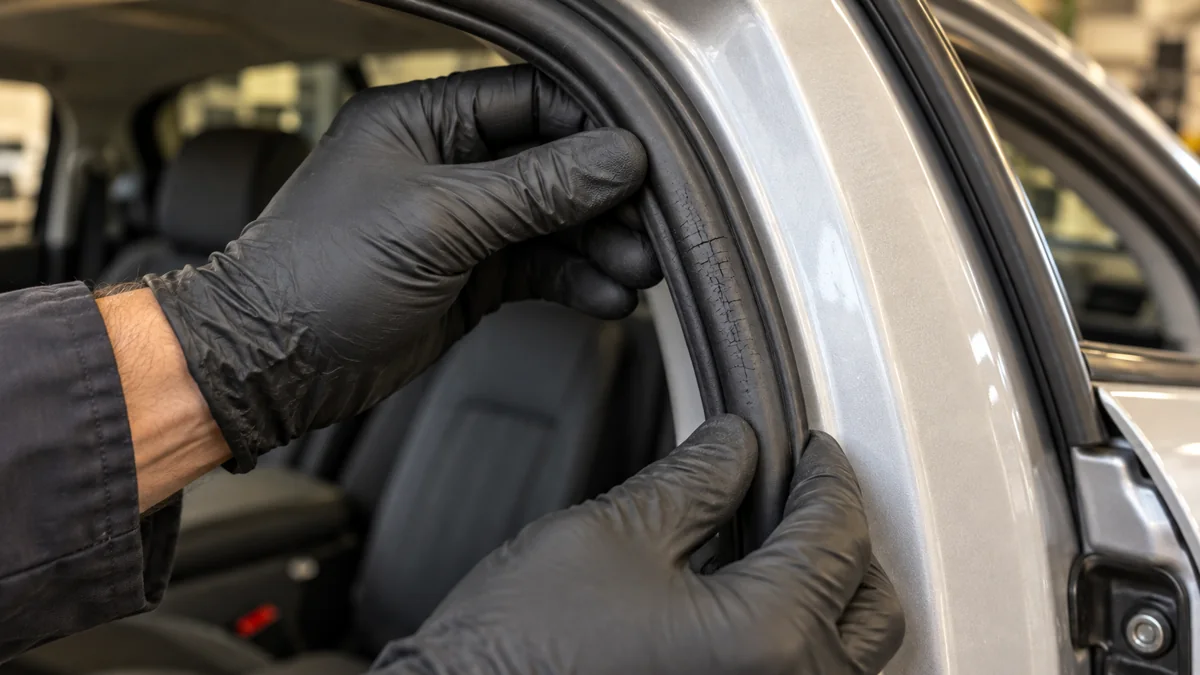
Gloved hands inspecting a car door weatherseal
Checking a car door weatherseal.

Water entry or wind noise

Trace the leak through the seal, glass fit, moisture barrier and drainage. Replace rubber when wear is confirmed.

Door rubber seal replacement

Loose trim or a door-card rattle

Clips, pull handles and local trim may be repaired separately. Restore the moisture barrier and affected fittings after access.

Started after another repair?

Mention recent window, speaker or trim work and send a close-up of the affected area.

Compare what is included

What comes with the replacement?

The supplied part and the work needed to fit it matter more than a single headline door price.

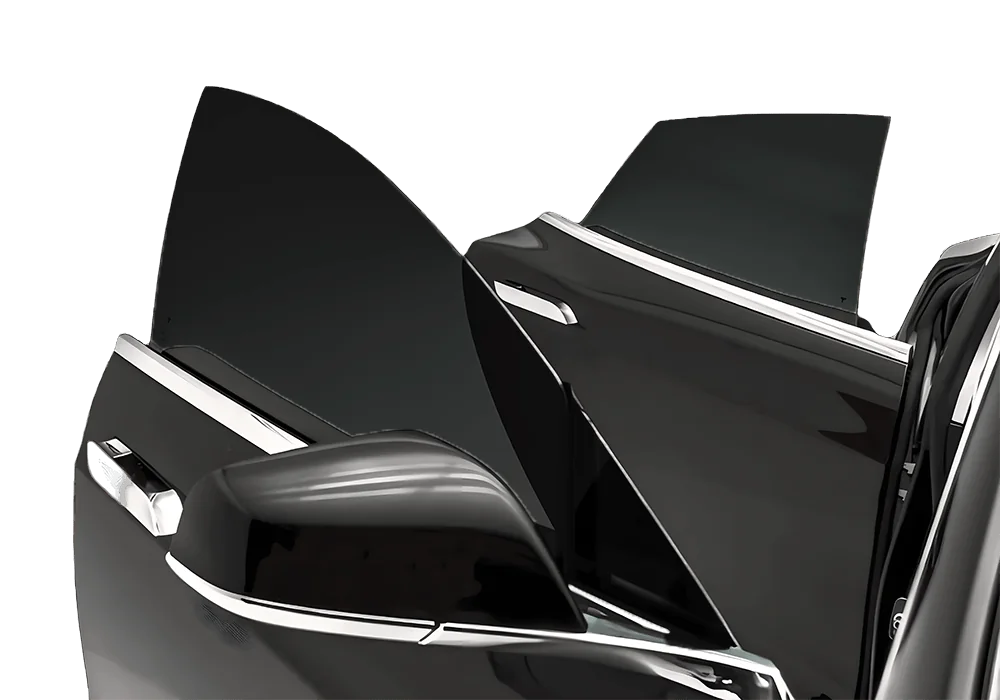
Open car doors with window glass and exterior trim
Car doors, window glass and exterior trim.

Shell or complete assembly

A bare door shell may require the latch, handles, glass, regulator, speaker, trim and wiring from your car to be transferred. A complete used assembly still needs its equipment, corrosion and condition checked.

Parts matched to your vehicle

Match the model, build details, door position, panel material and fitted systems. Ask whether the quote uses a new vehicle-maker part, another specified replacement or a used original assembly. Compare condition and written coverage.

Paint and electronic setup

Confirm colour matching and any blending. A door in the same colour is not a guaranteed finish match. Window initialisation, keyless entry, soft-close functions or a replacement module may require model-specific checks.

Systems change the repair

Powered doors and window repairs

Share the model and fitted equipment so the required parts, procedure and service coverage can be confirmed.

Soft-close and electric release

Soft-close pulls an already engaged door into its final position. It does not replace the normal latch check. An electric release, door drive and central-locking actuator perform different tasks.

Assessment separates supply and wiring, the latch or drive, relevant signals and any model-specific setup. A confirmed lock-motor fault may require door lock actuator replacement. Do not keep slamming a door whose soft-close function has stopped.

Sliding and power-opening doors

A binding sliding door may involve tracks, rollers, drive cables, latch operation or obstacle detection. A powered hinged door uses a different drive arrangement. Confirm which system is fitted.

Mechanical movement and the electrical controls need checking together. Do not force a stalled door or assume a reset will repair worn hardware. Agree the manufacturer procedure and the required closing, release and safety checks at handover.

Window regulator, motor and glass

The regulator supports and moves the glass, while the motor drives it. A dropped, tilted or stuck window also needs its guides, fittings, switch and power supply considered. Broken glass requires a separate, correctly matched replacement.

One-touch or anti-pinch operation may need model-specific initialisation after battery, door or module work. Frameless glass may lower as the door opens. Confirm fit and the specified safety checks rather than repeatedly forcing the window switch.

A usable result at handover

Checks from inspection to collection

Agree the repair, parts and final checks rather than judging the job only by how the outer panel looks.

01

Identify the fault

Compare opening, closing and locking. Check gaps, hinges, the check strap, seals and the effect of any earlier impact or repair.

02

Confirm the proposal

Separate adjustment, component work, body repair and replacement. Identify parts, paint, access, testing and any model-specific setup on the quote.

03

Complete the agreed work

Address the confirmed cause and protect the glass, wiring and trim during access. Additional damage or required parts should be explained before expanding the work.

04

Review operation

Confirm the door latches and releases correctly, locks as intended and sits properly. Include window, leak and powered-door checks where relevant to the repair.

Mechanics in Al Quoz

Arrange your door repair assessment

Send the details below, then confirm the visit, fitted price and expected collection time with Mechanics.

Send these three details

Your car and affected door

Make, model and year. Say front or rear, left or right, and whether it has soft-close, a sliding mechanism or frameless glass.

Photos and what still works

Send a full-door view, a close-up and an angle showing the damage or gap. Describe the inside handle, outside handle, lock and window separately.

When the fault started

Note an impact, water entry, battery work or an earlier panel, glass, speaker or trim repair. An intermittent fault is easier to assess if you can describe when it occurs.

Door will not latch securely?Say this when contacting us. Confirm suitable vehicle transport before driving.
Before arranging the work

Car door repair questions answered

Prices, replacement choices, safety, time and the details needed for a useful quote.

How much does car door repair cost in Dubai?

Published planning starts include AED 157.50 for a central-locking check and basic repair, AED 210 for a very small suitable paintless dent, and AED 315 each for single-panel body repair or painting. These examples include 5% VAT and describe different jobs. They are not Mechanics tariffs or a complete door replacement price. Ask for the total for your car, including parts, access, paint and any electronic setup.

Can a car door be repaired instead of replaced?

Yes, where a suitable adjustment, component repair or panel repair can restore the required function and fit. A damaged hinge mounting, intrusion structure, heavily distorted shell or extensive corrosion needs a broader assessment. Replacement should follow the condition of the door and body, not just the size of the visible dent.

Can I drive if the door does not close securely?

Do not drive with a door that will not latch securely. Stop forcing it and arrange an assessment or suitable vehicle transport. A warning message, sagging door or impact damage needs checking before treating the fault as a cosmetic problem.

Why does the door open from outside but not inside?

A rear child-lock setting is one possibility. The interior handle, release cable or linkage, latch and electronic release may also need checking. Describe which handle works, whether the door unlocks and whether the problem affects one door or several.

Does water inside the car always mean the rubber seal needs replacing?

No. The leak path may involve the door weatherstrip, glass alignment, a damaged moisture barrier, drainage or another body opening. A controlled leak assessment should establish where the water enters before replacing the outer seal.

Do you assess soft-close and power sliding doors?

Share the make, model, year and fitted door system to confirm coverage. A soft-close latch, a sliding-door drive and an electronic release are different systems. Their checks may involve wiring, sensors, tracks, rollers, cables or model-specific setup. Do not force a stalled powered door.

How long should I allow for car door repair?

Straightforward locking or adjustment work may fit within a workshop visit once the fault and parts are confirmed. Published examples commonly allow one to three hours for locking work. Paint and body repairs can take several days. Mechanics confirms the expected collection time after assessing the actual work and parts availability.

Will a replacement door need painting or coding?

It depends on what is supplied and the vehicle. A bare shell may need your hardware, glass, trim and wiring transferred. Colour matching, blending and model-specific electronic setup can add work. A used door in the same colour still needs its condition, fit and equipment checked.

What warranty applies to the repair?

Ask for the written coverage for the agreed repair, installed parts and any paintwork. Confirm the period, exclusions and return procedure before booking. Coverage depends on the actual job and parts supplied, so no single warranty duration is stated for every car door repair.

Why does only one car door fail to lock?

One affected door can point towards its latch, actuator, release linkage or local wiring, while all doors failing together calls for shared supply, remote and control checks. This pattern helps narrow the assessment but is not proof that a particular part needs replacement.

Does a stuck window always need a new regulator?

No. The regulator, motor, glass guides, switch, wiring and supply can produce different faults. A one-touch problem after battery or module work may instead require the vehicle-specific initialisation procedure. State whether the glass drops, tilts, moves slowly or does not move at all.

Can the interior door panel be repaired separately?

Loose clips, damaged pull handles, rattles and local trim damage may be repaired separately from the outer door shell. The material, mounting damage and parts availability determine the options. Send photographs and mention any previous glass, speaker or door repair.
Call WhatsApp quote
Scroll to Top