
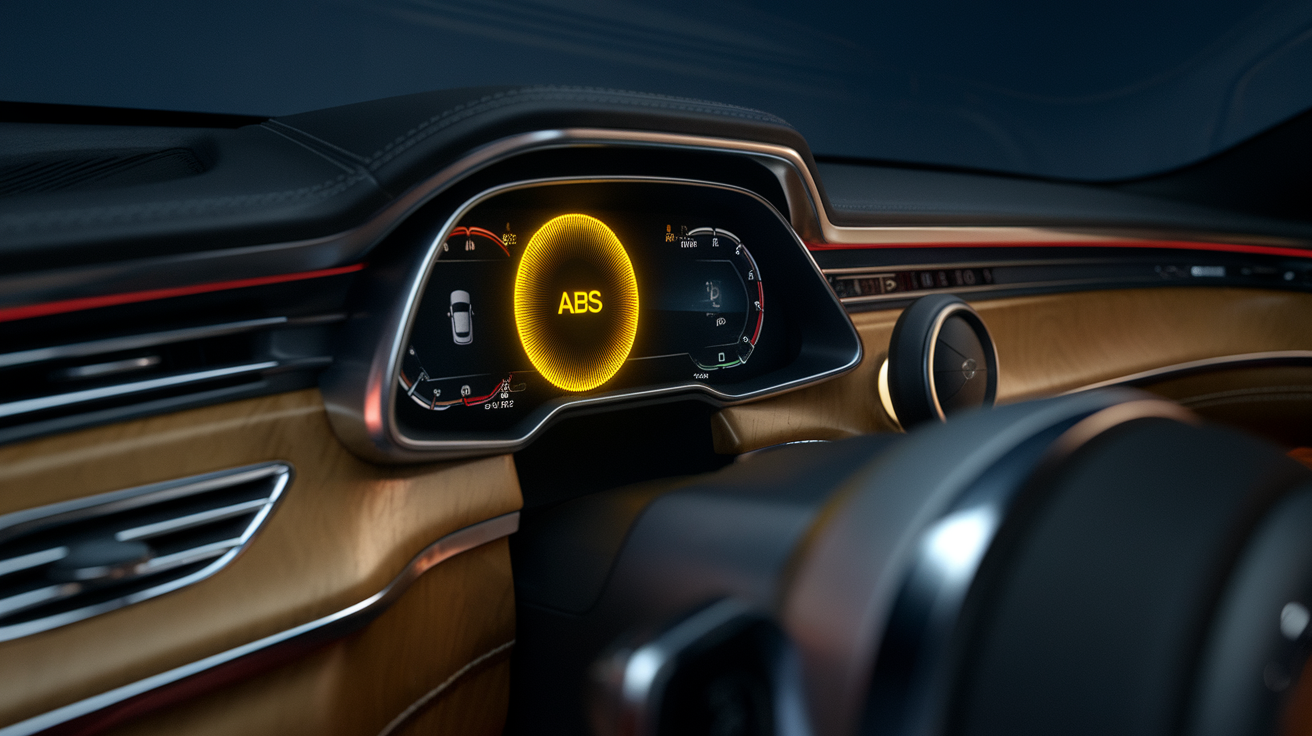
ABS Light On? Here’s What That Warning Really Means! You’re driving through Dubai’s dense traffic, and suddenly the ABS Light turns on your dashboard. No noise, no drama, just that quiet signal that something’s not right. It’s easy to ignore, but that light’s tied to your Anti-lock Braking System, which controls how your car handles sudden stops and slippery roads.
When the ABS Light is on, your braking system might not respond the way it should. That’s not just inconvenient, it’s risky. Especially in high-speed zones or during unexpected braking. This guide is built for drivers who want real answers, not vague advice. We’ll break down what triggers the ABS Light, how to fix it professionally, and why ignoring it could cost you more than just repair fees.
How ABS Works | The Role of Anti-lock Braking System
Most drivers in Dubai don’t think twice about how their brakes work until the ABS Light shows up. That’s when the questions start. What does it mean? Is the car still safe? And why now?
Let’s break it down. The Anti-lock Braking System isn’t just a fancy add-on. It’s a core part of your vehicle’s safety setup. When you slam the brakes, say, to avoid a sudden lane cutter, the ABS kicks in to prevent the wheels from locking. Locked wheels mean skidding, and skidding means zero control. Here’s how it works:
- Wheel speed sensors monitor each wheel’s rotation.
- If one wheel slows too fast, the ABS module sends signals to reduce brake pressure.
- That’s called hydraulic modulation, and it happens in milliseconds.
- The ABS control unit keeps everything balanced, ensuring vehicle stability even on wet or sandy roads.
Now, when any part of this system misfires, a sensor glitch, a pressure drop, module fault, the ABS Light turns on. It’s not just a warning. It’s a heads-up that your car’s ability to stop safely is compromised. Think of it like this: the ABS doesn’t stop the car faster. It stops it smarter. And when the system’s off, you’re driving without that intelligence.
ABS Light Behavior | What Different Signals Actually Mean
You’re driving through Dubai Marina, and suddenly the ABS Light pops up. Sometimes it flashes. Sometimes it stays solid. And sometimes, it shows up alongside the brake warning light. What’s the difference? Let’s break it down.
- A flashing ABS Light usually means the system is detecting an intermittent fault. It might be a loose sensor connection or a voltage drop.
- A solid ABS Light means the system has logged a fault and disabled ABS until it’s fixed. That’s not just a warning, it’s a full shutdown.
- If the ABS Light appears with the brake warning light, it’s often a sign of low brake fluid or a deeper hydraulic issue. That combo should never be ignored.
Each signal tells a different story. And none of them mean “keep driving and hope for the best.” These dashboard indicators are your car’s way of saying, “I can’t protect you the way I’m supposed to.” Ignoring the ABS Light isn’t just risky, it’s expensive later.
Why the ABS Light Turns On | Causes That Matter
The ABS Light doesn’t show up for fun. It’s not like a low fuel warning or a seatbelt reminder; it’s your car’s way of saying, “I can’t control braking the way I’m supposed to.” And in Dubai’s stop-start traffic or high-speed zones, that’s not something you want to gamble with. Here’s what usually triggers it. No fluff. No guesswork.
Faulty Wheel Speed Sensors
These sensors track how fast each wheel is spinning. If one fails or sends inconsistent data, the ABS Light turns on.
- Dirt, sand, or corrosion can block sensor signals.
- Sensor wires can get brittle in extreme heat.
- A failed sensor means the ABS can’t balance brake pressure.
Low Brake Fluid Level
Brake fluid isn’t just about stopping; it’s about pressure.
- If the fluid drops below the threshold, the ABS loses control.
- Dubai’s heat can cause evaporation or leaks over time.
- The ABS Light often pairs with the brake warning light in this case.
Blown ABS Fuse
Electrical faults are sneaky.
- A blown fuse cuts power to the ABS module.
- You’ll see a solid ABS Light, and the system shuts down.
- Sometimes it’s caused by a short circuit or moisture intrusion.
Damaged ABS Wiring Harness
Wiring issues are common in older vehicles or after poor repairs.
- Rodents, heat, or road debris can damage wires.
- A broken wire means the module can’t talk to sensors.
- The ABS Light shows up even if everything else looks fine.
Malfunctioning ABS Pump or Control Module
This is the brain of the system.
- If the pump fails, brake pressure can’t be modulated.
- If the control unit glitches, it misreads sensor data.
- Either way, the ABS Light stays on until it’s replaced or reprogrammed.
Tip: Don’t assume it’s a sensor just because that’s common. A proper diagnostic scan is the only way to know for sure. Guessing leads to wasted time and money.
ABS Diagnostics | How Professionals Pinpoint ABS Light Issues?
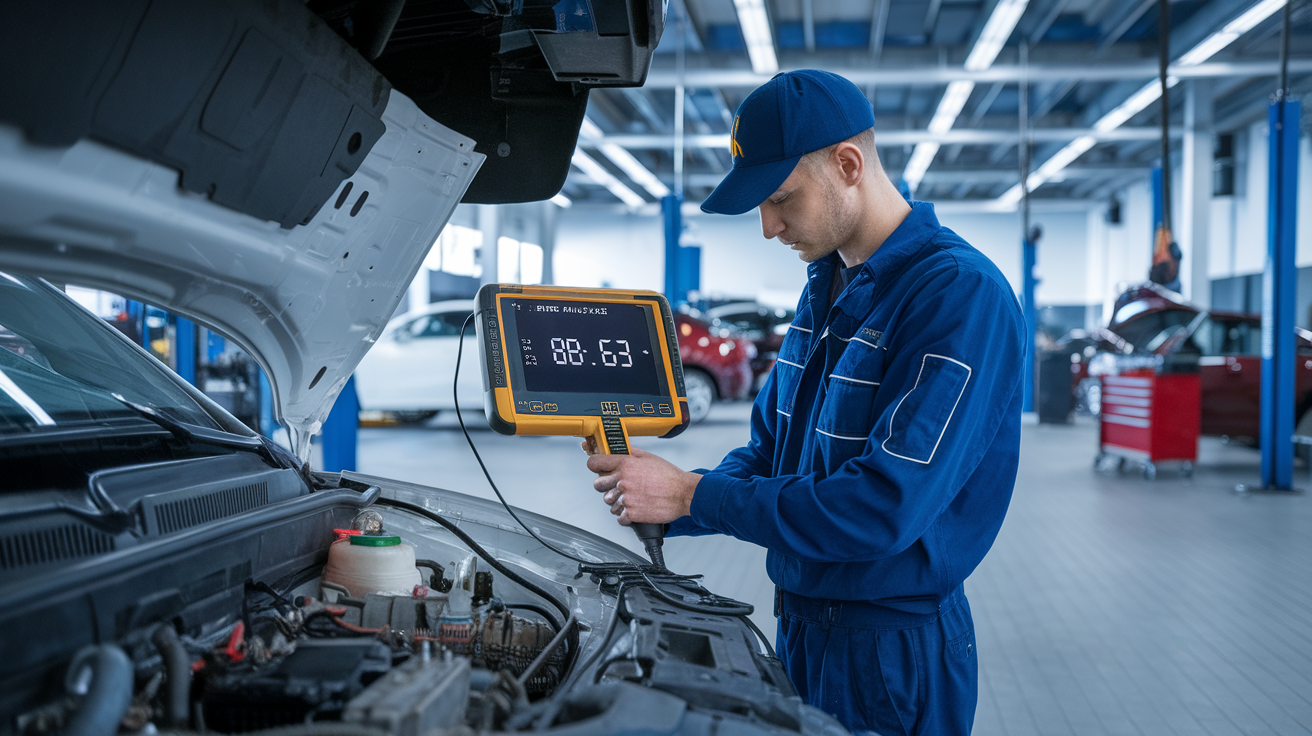
When the ABS Light comes on, guessing won’t cut it. You need a proper diagnostic, not a YouTube tutorial or a random sensor swap. In Dubai’s climate, where heat and dust mess with electronics, accurate troubleshooting is everything. Here’s how professionals do it. Step by step.
- Start With an OBD-II Scan
The technician plugs in an ABS scan tool to read fault codes.
- These codes tell you which part of the Anti-lock Braking System is misfiring.
- It could be a wheel speed sensor, a voltage drop, or a module glitch.
- No code? That’s a clue too; it might be a wiring issue.
- Inspect Sensor Signals
Using live data, they check each wheel’s speed reading.
- If one wheel shows zero or erratic data, the sensor’s likely bad.
- Sometimes it’s just dirt or corrosion, not a failed part.
- Check Brake Fluid & Pressure
Low fluid can trigger the ABS Light, especially if the system senses pressure loss.
- They’ll inspect the reservoir, look for leaks, and test hydraulic response.
- Test the ABS Module
If sensors and fluid are fine, the issue might be deeper.
- The ABS control unit could be misinterpreting signals.
- Module checks involve voltage tests and internal diagnostics.
Fact: Fault codes don’t always mean “replace the part.” They mean “start here.” That’s why professional ABS diagnostics matter. It’s not just about turning off the ABS Light; it’s about knowing why it came on in the first place.
Wheel Speed Sensor Failures | Why That ABS Light Might Be Lying to You
The wheel speed sensor is one of those parts you never think about until the ABS Light shows up and refuses to go away. It’s small, tucked near the brake assembly, and exposed to everything Dubai’s roads throw at it: sand, heat, water, and even the occasional curb hit. Here’s how it goes wrong.
- The sensor reads how fast each wheel spins.
- If one sensor sends bad data or no data, the ABS panics.
- That’s when the ABS Light kicks in, warning you that braking control is compromised.
Identifying the faulty sensor isn’t always visual. You’ll need an ABS sensor test using a scan tool. Sometimes the fault is obvious, like a cracked wire or corroded connector. Other times, it’s internal failure or miscalibration.
Cleaning vs replacing?
- If it’s just dirt or brake dust, cleaning might solve it.
- But if the sensor’s damaged or misreading speed, replacement is the only fix.
Tip: Don’t swap sensors blindly. One wrong move and you’ll chase ghost faults for weeks. Always test first. Always calibrate after.
Brake Fluid & Hydraulic Pressure | Why the ABS Light Might Be Warning You
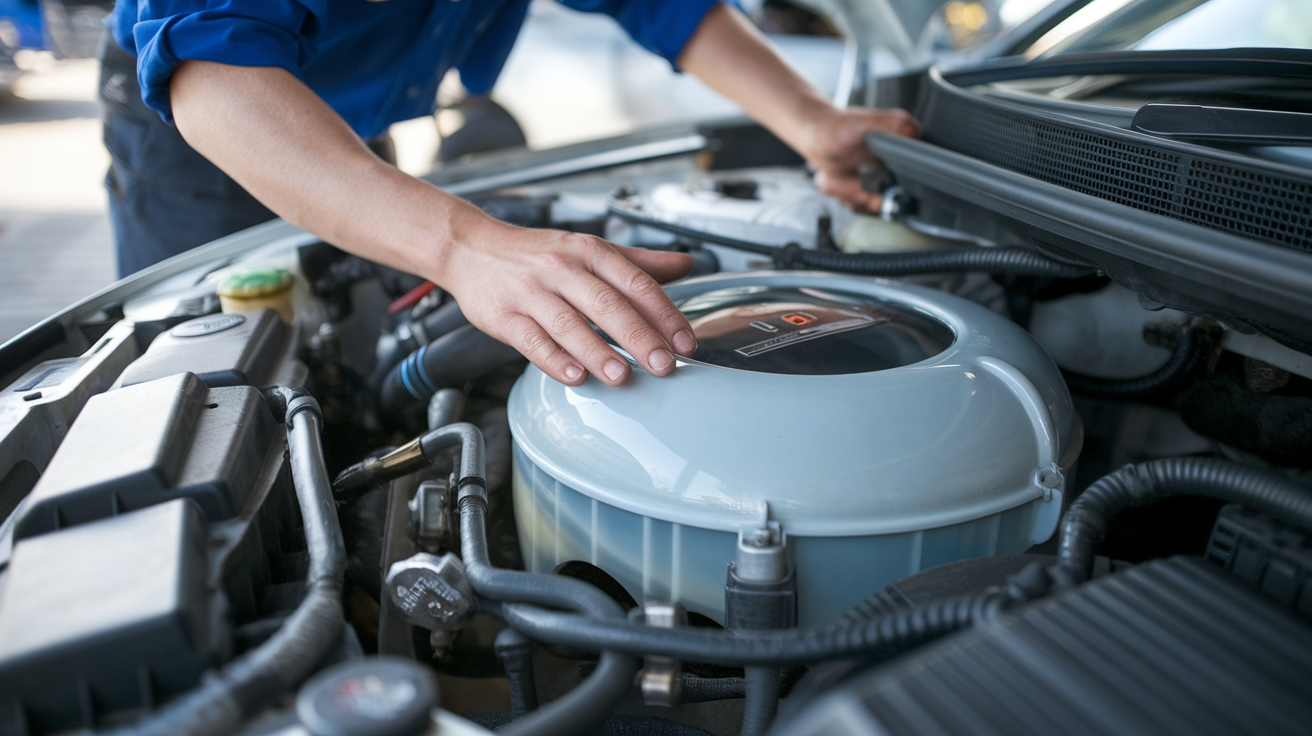
Sometimes the ABS Light isn’t about sensors or electronics, it’s about something far simpler: brake fluid. And in Dubai’s heat, fluid levels drop faster than most drivers expect.
Here’s the deal. Brake fluid creates the pressure your system needs to stop the car. If the fluid’s low, the hydraulic system can’t maintain that pressure. The ABS module detects this imbalance and triggers the ABS Light. It’s not just a warning, it’s a sign your braking performance is compromised.
What causes it?
- A leak in the fluid reservoir or brake lines
- Evaporation due to extreme heat
- Worn seals or a damaged brake fluid sensor
What professionals check:
- Fluid level and condition (cloudy or dark fluid means contamination)
- Pressure consistency across all wheels
- Signs of internal or external leaks
Idea:
Brake fluid doesn’t just disappear. If it’s low, something’s wrong, and ignoring it means risking brake failure when you least expect it.
Always get an ABS fluid check done by someone who knows what to look for. It’s not just topping up, it’s diagnosing the reason behind the drop.
Electrical Faults | When the ABS Light Isn’t About Brakes at All
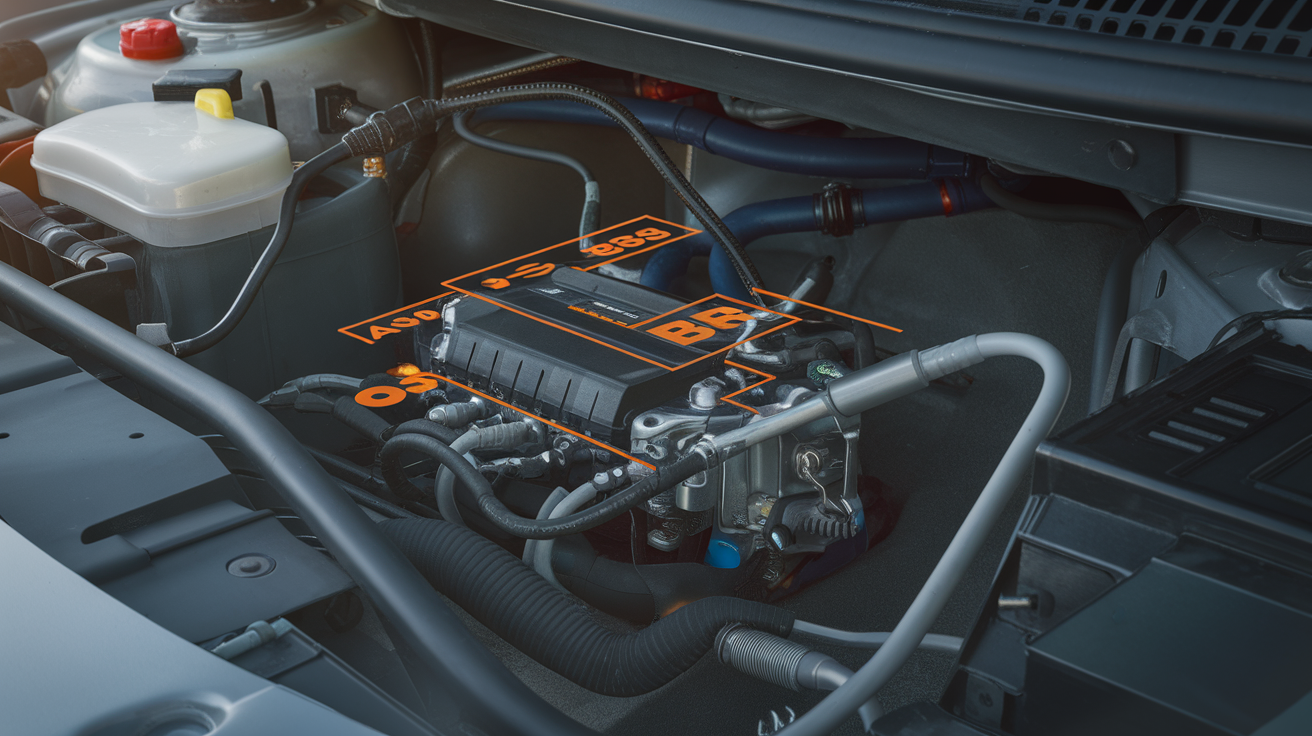
Sometimes the ABS Light has nothing to do with fluid, sensors, or mechanical wear. It’s electrical. And that’s where things get tricky. Dubai’s heat, humidity, and road dust can wreak havoc on wiring. Over time, even well-built vehicles start showing signs of electrical shorts, brittle connectors, and corroded terminals. The result? A glowing ABS Light that refuses to go away. Here’s what professionals look for:
ABS Fuse & Relay Check
- First stop is the ABS fuse box. A blown ABS fuse cuts power to the control unit.
- Relays are tested for continuity and voltage drop.
- If the fuse keeps blowing, it’s usually a deeper short somewhere in the harness.
Wiring Harness Inspection
- Technicians trace the wiring harness from each wheel sensor to the ABS control unit.
- Look for melted insulation, pinched wires, or exposed copper.
- Rodents, poor repairs, or aftermarket installs often cause hidden damage.
ABS Module Failure
- If everything else checks out, the issue might be the ABS control unit itself.
- Internal faults, software glitches, or voltage irregularities can trigger the ABS Light.
- Module testing involves checking input/output signals and sometimes reprogramming.
In some cases, underlying battery terminal corrosion issues interfere with voltage stability, leading to misleading ABS alerts or intermittent electrical faults.
Fact: Electrical faults don’t always show up in scans. Sometimes it’s about knowing where to look, and that’s why experience matters. If the ABS Light is on and nothing else seems wrong, this is the rabbit hole you don’t want to go down alone.
ABS Light Reset | When Clearing the Warning Actually Makes Sense
Let’s get one thing straight: the ABS Light isn’t something you just “turn off.” If it’s on, there’s a reason. And unless that reason’s been fixed, hitting reset is like putting tape over a warning sign.
Still, once the issue’s resolved, the sensor replaced, fluid topped up, module reprogrammed, it’s time for an ABS reset.
Here’s how it’s done:
- Scanner reset using an OBD-II tool is the most reliable method. It reads and clears fault codes stored in the ABS module.
- Some vehicles allow a manual reset, disconnecting the battery or cycling the ignition, but that’s hit-or-miss and often temporary.
- A full system reinitialization may be needed if the module was replaced or updated.
Why go professional?
Because clearing the ABS Light without fixing the root cause is pointless. Worse, it can mask deeper issues. A proper reset includes verifying that all systems are stable, codes are cleared, and the module isn’t about to throw another fault. Always reset with intent. Not with hope.
Driving With ABS Light On | What You’re Risking Every Mile
Let’s not sugarcoat it: when the ABS Light is on, your car’s braking system is no longer working at full capacity. It might still stop, sure. But in an emergency? On wet roads? During sudden lane changes? You’re gambling with drive safety. Here’s what changes:
- The Anti-lock Braking System won’t prevent wheel lock-up.
- You lose traction control during hard braking.
- Steering under pressure becomes unpredictable.
In Dubai, where road conditions shift from polished tarmac to sand-swept lanes in seconds, that’s not a minor issue. One sharp stop on a slippery surface, and you’re sliding, not stopping. And just like ignoring cracked windshield risks, overlooking the ABS Light increases the chances of losing control when you need stability the most.
Unsafe situations include:
- Driving in rain or sandstorms
- Navigating steep descents or sharp curves
- Heavy traffic with frequent stop-and-go braking
Safety-first tip:
If the ABS Light is on, drive cautiously and avoid high-speed zones. But don’t wait, get it inspected before the next trip.
You’re not just risking brake failure. You’re risking control. And that’s never worth it.
ABS Light Repairs | What You’re Likely to Spend (Estimation Cost)
When the ABS Light comes on, most drivers worry it’s going to be expensive. Sometimes it is. But not always. The key is knowing what’s wrong and fixing it before it snowballs. Here’s a breakdown of typical ABS repair cost ranges (estimation cost):
- Sensor replacement | AED 250–450 per wheel
- ABS module replacement | AED 1,200–2,000 depending on vehicle type
- Wiring or fuse repair | AED 150–300
- ABS diagnostic fee | AED 150–250 for full scan and fault code analysis
Factors that affect pricing:
- Type of vehicle (luxury models cost more)
- Availability of original parts vs aftermarket
- Labor charges based on complexity
- Whether the issue is isolated or system-wide
Why early diagnosis matters:
A faulty sensor today might become a module failure tomorrow. And that’s not just a price jump, it’s a full system rebuild.
For exact pricing, contact us. These are estimation costs based on common repairs in UAE conditions.
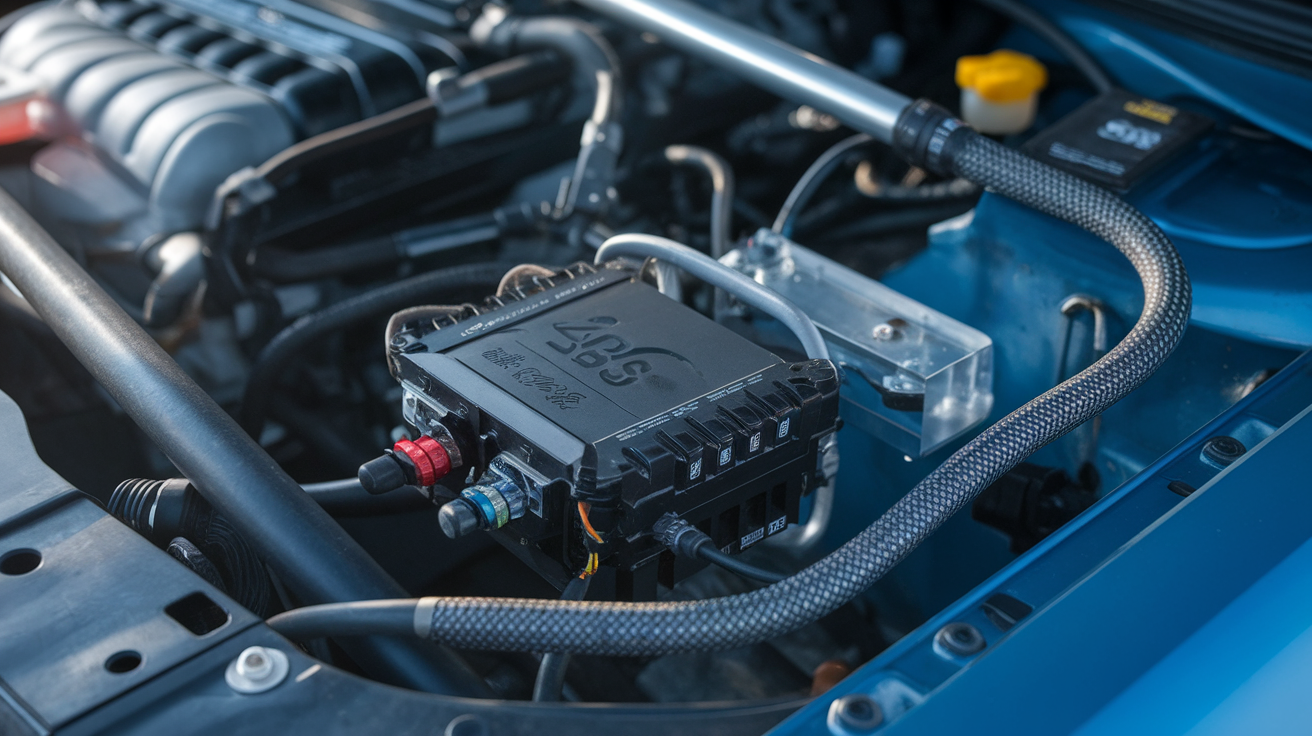
Professional ABS Service | Why It’s Worth More Than Just Turning Off a Light
YouTube tutorials make it look easy: pull a fuse, clean a sensor, reset the module. But when the ABS Light is on, and you’re driving through Dubai’s unpredictable traffic, shortcuts aren’t just risky, they’re expensive later. Here’s why professional ABS service matters:
- Experts don’t guess. They use scan tools, pressure tests, and real-time data to pinpoint faults.
- A proper ABS repair shop knows how to handle sensor calibration, module reprogramming, and wiring diagnostics without trial and error.
- You get a full system check, not just a quick fix to turn the ABS Light off.
With trusted auto repair experts in Dubai, drivers get precise diagnostics, proper module handling, and reliable repairs tailored for local conditions.
DIY risks?
- Misdiagnosing the issue and replacing parts that aren’t faulty.
- Damaging the ABS control unit during a reset.
- Ignoring deeper faults that show up days later.
What to expect:
Clear fault code analysis, targeted repairs, and peace of mind that your braking system is working the way it should. ABS isn’t just about stopping. It’s about control. And that’s not something you want to leave to guesswork.
ABS Light in Dubai | Why Local Conditions Push Your Brake System to the Edge
Dubai driving isn’t gentle on vehicles. Between scorching heat, fine sand exposure, and relentless urban traffic, the ABS takes a beating. That’s why the ABS Light shows up more often here than in cooler, less abrasive climates. Sensors get clogged with dust, wiring dries out and cracks, and fluid evaporates faster than expected.
Add in sudden braking on Sheikh Zayed Road or navigating tight corners in Marina, and you’ve got a recipe for system stress. When the ABS Light comes on in Dubai, it’s not just a technical fault, it’s a sign your car’s been working overtime. And that’s exactly why ABS repair in Dubai needs local expertise. Mechanics here know how heat affects modules, how sand interferes with sensor readings, and how to fix it without guesswork.
Don’t Let the ABS Light Become a Bigger Problem
The ABS Light isn’t just a flicker on your dashboard; it’s a warning that your vehicle’s braking intelligence is compromised. In Dubai, where road conditions shift fast and traffic rarely forgives hesitation, ignoring that light is a risk you don’t want to take.
Whether it’s a faulty sensor, low brake fluid, or a glitch in the control module, the fix starts with knowing what’s wrong. And that’s not something you figure out with guesswork or generic advice. It takes proper diagnostics, real tools, and local expertise that understands how heat, sand, and urban driving wear down your ABS.
Idea: The longer you wait, the more expensive it gets. The sooner you act, the safer you drive.
If your ABS Light is on, don’t wait for it to become a bigger issue. Get it checked, get it fixed, and get back to driving with confidence.