Cracked or leaking reservoir
A cracked plastic body, damaged filler neck or failed molded connection usually calls for replacement. Glue or stop-leak products are not a substitute for a sound reservoir and can complicate later cooling repairs.
Coolant dropping, a wet reservoir or a low-level warning? Mechanics checks the tank, cap and nearby connections before recommending replacement, then refills and checks the cooling system.
Estimated replacement budgets from AED 400 to AED 1,300Vehicle-dependent estimates. Confirm inclusions and VAT in your written quote.
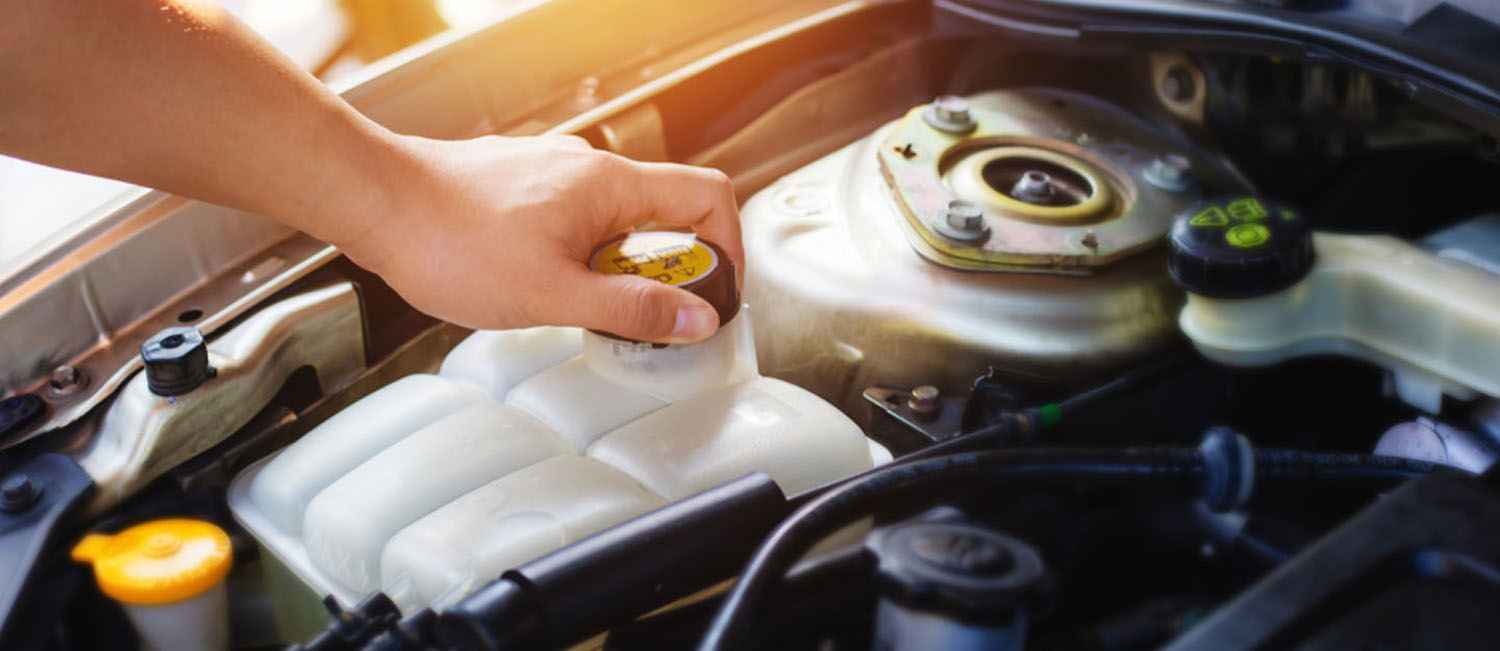
Stop safely, switch the engine off and arrange recovery. Do not open a hot coolant cap. A top-up does not make a leaking system safe, and an empty reservoir needs investigation before the car is driven.
Use your vehicle group for an initial budget, then send the model, year and engine details for a part-specific quote.
| Vehicle group | Estimated guide range |
|---|---|
| Toyota, Hyundai, Kia, Nissan and Chevrolet | AED 400 to AED 800 |
| Ford and Mazda | AED 450 to AED 900 |
| Honda | AED 450 to AED 850 |
| Dodge, Jeep, GMC, Chrysler, Volkswagen and Subaru | AED 500 to AED 1,000 |
| Volvo | AED 550 to AED 1,100 |
| Audi, BMW, Lexus and Cadillac | AED 600 to AED 1,200 |
| Mercedes-Benz | AED 650 to AED 1,300 |
These are existing estimated guide prices, not fixed fitted offers. The guide figures do not confirm VAT treatment or itemized inclusions. Request a written total showing the tank, cap or sensor if needed, labor, coolant, testing and VAT before approving work.
Engine version, tank design, access and the selected part affect the total. A separate level sensor or pressure cap may be reusable after checking, or may need its own replacement line. A leak elsewhere is a different repair.
A straightforward replacement commonly takes around one to three hours after access and parts are available. Cooling a hot engine, finding another leak, bleeding the system and verifying temperature can extend the visit. Confirm the completion estimate for your car.
Tell us whether the warning appears on a cold start, in traffic or after a longer drive. Mention recent cooling work and any overheating event.
| What you notice | What needs checking | Likely next step |
|---|---|---|
| Wet seam, crack or staining on the tank | Tank body, hose necks and mounting points | Replace a leaking or damaged tank after confirming the source. |
| Coolant around the cap | Cap seal and pressure rating, filler neck and system pressure | Test the cap and neck. Do not assume the whole tank is faulty. |
| Level warning with a correct cold level | Float, level sensor, connector and wiring | Diagnose the warning before ordering a reservoir. |
| Repeated loss but no obvious tank leak | Hoses, radiator, pump and other cooling-system paths | Trace the leak. Replacing the reservoir alone may not solve it. |
Coolant can run down from a connection above the tank. A pressure test at the vehicle-specified limit helps locate the source. Persistent overpressure, bubbling or overheating calls for broader checks before a new tank is fitted.
On many vehicles, the reservoir forms part of the pressurized cooling circuit. Its cap, neck, hose connections and any built-in level sensor must suit the exact application. A damaged seam or neck can cause coolant loss.
Other systems regulate pressure at the radiator and use a separate overflow or recovery bottle. The bottle, connecting hose and radiator cap need to work together. The part should be identified from the vehicle, not ordered by appearance alone.
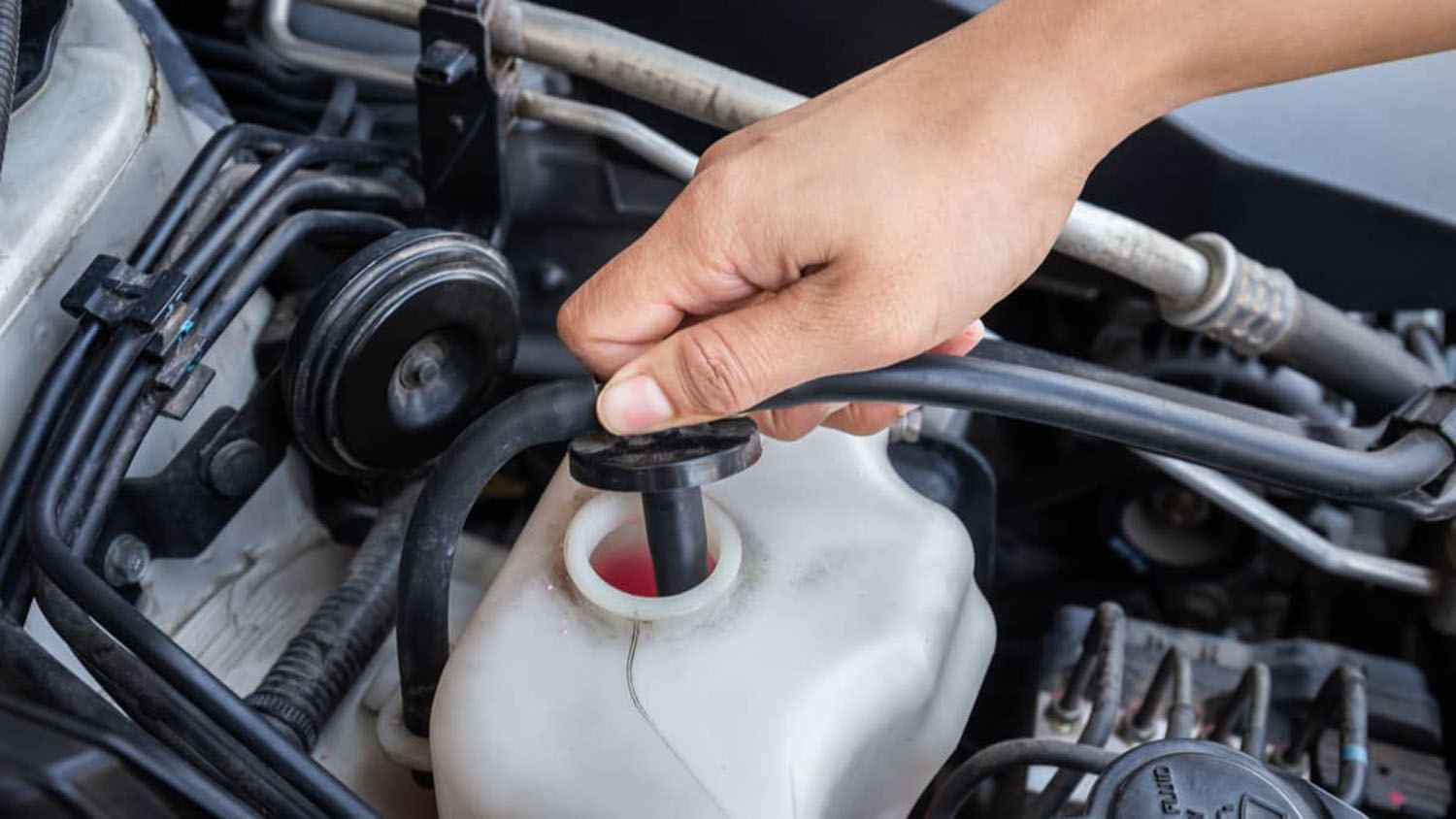
A cracked plastic body, damaged filler neck or failed molded connection usually calls for replacement. Glue or stop-leak products are not a substitute for a sound reservoir and can complicate later cooling repairs.
If the body is sound, a failed cap, seal or hose connection may be the actual fault. We explain the finding and quote the affected part instead of treating every low-level warning as a complete tank replacement.
If the radiator or another cooling component is leaking, the quote should address that source. Read about radiator repair and replacement when the fault is outside the reservoir.
Some engines have several coolant circuits or reservoirs. Hybrid and electric vehicles need circuit-specific identification and the correct service procedure. Do not open or service a high-voltage cooling circuit yourself.
Ask whether the proposed tank is genuine or an identified aftermarket replacement, and whether the cap and level sensor are included. Confirm compatibility, part availability and written warranty terms for the chosen option.
Coolant must meet the manufacturer specification. Color alone does not establish compatibility. The refill quantity depends on how much coolant is drained and the vehicle procedure.
A full coolant flush is separate from the refill needed for a tank change. It may be appropriate when coolant is due, contaminated or incompatible, but should not be added automatically.
A cap that screws onto the neck is not automatically correct. Match its specification to the vehicle and reservoir. The quote should distinguish a tank assembly supplied with a cap from a tank that reuses a tested cap.
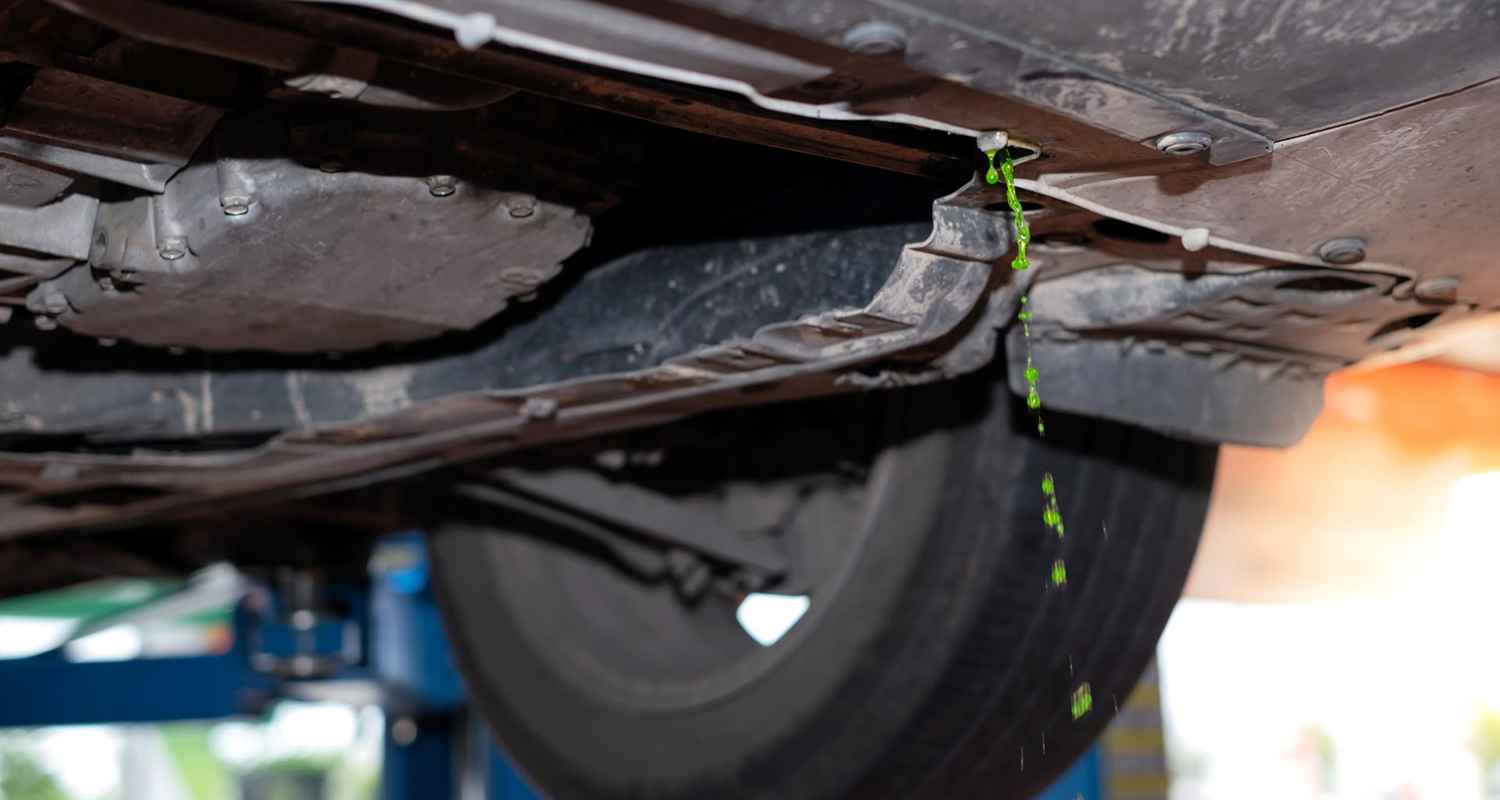
Inspect the cold system and locate the loss. Test the cap or system as appropriate and record other defects separately.
Confirm the reservoir specification, any cap or sensor, coolant requirement, labor and testing before the work starts.
Drain the necessary coolant, replace the failed component, check disturbed hoses and seals, then refill to the vehicle specification.
Use the manufacturer bleeding or filling method. Recheck leaks, coolant level and operating temperature, including after cooling where required.
Additional hoses, thermostat, water pump, radiator repairs, full flushing and overheating-related engine work are separate unless listed in the approved quote. Replacement of the tank does not automatically include the rest of the cooling system.
A new reservoir should be followed by checks of the complete repair. Keep the parts record and coolant specification, and agree when the cold level should be checked again.
There is no universal mileage interval for replacing every expansion tank. Leaks, physical condition, cap function and vehicle service information guide the decision.
Clear answers on the work, costs and what happens next at Mechanics in Al Quoz.
A cracked tank can lose coolant and cause overheating. Do not drive if the level is empty, coolant is escaping quickly or a temperature warning is present. Arrange recovery and keep the cap closed until the system is fully cold.
No. A cap, hose, radiator, water pump or level-sensor fault can cause similar symptoms. The cold level and leak source should be checked before parts are ordered.
It depends on the replacement part. Some assemblies include them and others do not. Ask for each included component to be listed in the quote and confirm whether any existing part will be reused after inspection.
The published guide ranges do not establish an itemized fitted package or VAT basis. Your written quote should state the part, labor, coolant quantity, testing, any separate cap or sensor, and the total with VAT identified.
Not automatically. A reservoir replacement requires a suitable refill and bleeding procedure. Full flushing depends on coolant condition, compatibility and the service schedule, and should be agreed separately.
A pressure-carrying tank needs to remain sound through temperature and pressure changes. A cracked body or neck is normally replaced rather than relied on after a patch. Have the exact leak identified first.
A straightforward job often takes around one to three hours once the correct part is available and the engine is cool. Diagnosis, access, filling procedures and final temperature checks can extend the total visit.
Mechanics handles cooling-system work across these and other makes. Share the model, year, engine and VIN so the correct reservoir, pressure cap and coolant specification can be checked before quoting.
The current guide ranges from AED 400 to AED 1,300 across the listed vehicle groups. It is an initial estimate, not a fixed fitted package. The written quote must identify the matched tank, cap or sensor where needed, labor, coolant, testing and VAT before work is approved.
No. Bubbling, repeated pressure or coolant loss needs diagnosis in the context of the vehicle and other symptoms. The filling procedure, cap, leaks and engine condition may need different checks. Do not open a hot reservoir to investigate or assume that replacing the tank will resolve the cause.
Tell us what your car is doing. We will explain the checks and confirm the replacement quote before work begins.