VLT
How much light gets through
Visible light transmission measures the percentage of visible light passing through. Higher VLT means a lighter film.
Ask which figure you are seeing Film-only data and the final glass-and-film result differ.
Reduce solar heat and glare with a film chosen for your glass, visibility and budget. Mechanics helps you compare the film series, coverage and fitted price before installation in Al Quoz.
Sedan film installation guides from AED 800–1,000
Published Dubai guide for 3M FX, not a fixed Mechanics package. Premium films cost more. Confirm availability, window coverage and VAT.
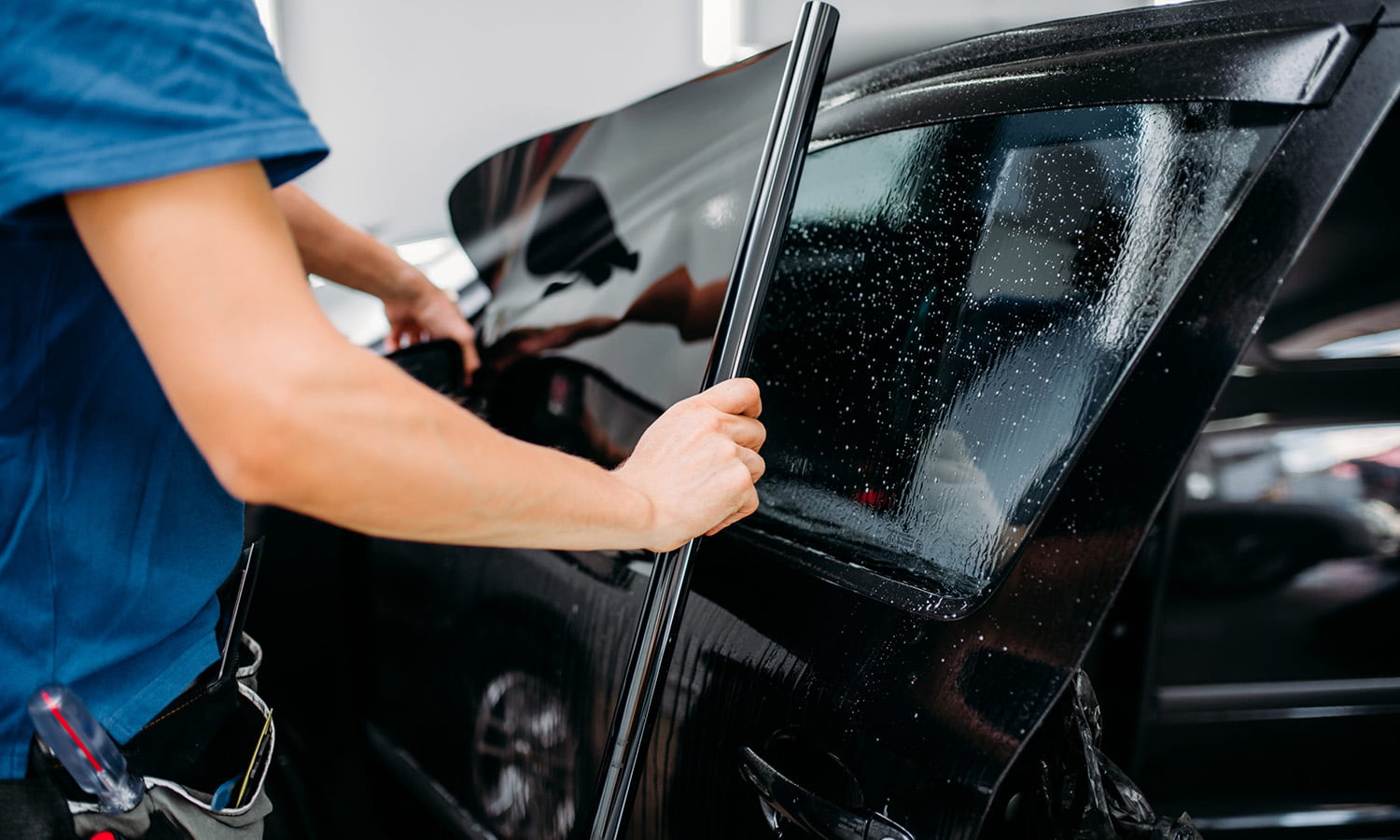
Brand and series matter more than a label such as premium tint. These published sedan installation ranges show how different 3M products compare.
A starting comparison for a named film series. Ask for its actual shade and performance sheet.
Compare solar heat rejection at the shade suitable for your car, rather than choosing by darkness.
A different film technology and price level. Confirm the exact product, coverage and local warranty.
Send the car model, year, windows to be covered and whether old film needs removal. Your written quote should identify the brand, series, shade, installation, extras and VAT.
A larger SUV, more glass, removal of brittle film or adhesive, difficult rear glass and a different film series. Ask for windshield or panoramic-roof requests to be assessed separately for legal and glass compatibility. Neither is automatically included.
An itemized film and installation quote, an agreed window list, care instructions and written warranty terms for the selected product and fitting. Confirm who handles a claim and which defects are covered.
Market price guide checked 12 October 2026 from a published Dubai installer price list. These are not fixed Mechanics prices or a stock promise. The source does not state its VAT basis. Confirm the final payable total. Audi window tinting also depends on body style and existing glass.
Published police guidance describes up to 50% black tint on side and rear windows for eligible vehicles. The front windshield is excluded. Confirm the current requirements for your vehicle before installation.
Check the vehicle category and the finished glass, including existing factory tint. Do not assume that a film sold as 50% automatically makes the installed window compliant.
Keep it clear. Do not assume a heat-control film or a top sun strip is permitted just because it is advertised by an installer. Confirm any proposed exception directly with the licensing authority before fitting.
Do not apply the private-car guidance automatically to taxis, heavy vehicles or buses. Separate category rules and local permissions can apply. Rental agreement conditions also need checking.
For example, Abu Dhabi Mobility guidance for buses, published in May 2024, specifies a maximum of 30% and excludes the windshield. That bus rule is not the private-car limit.
Darker glass reduces available light. Consider night driving, rain and parking visibility as well as privacy. A legal maximum is not a recommendation to choose the darkest possible result.
Based on official Abu Dhabi Police guidance on the federal tint rules, published in July 2017 and reviewed here on 12 October 2026. This is a summary of published guidance, not a guarantee against enforcement. Confirm current requirements with the licensing authority for your vehicle.
Car cooling film is solar-control window film. Compare how much light it lets through, how much solar energy it rejects and how it suits your daily driving.
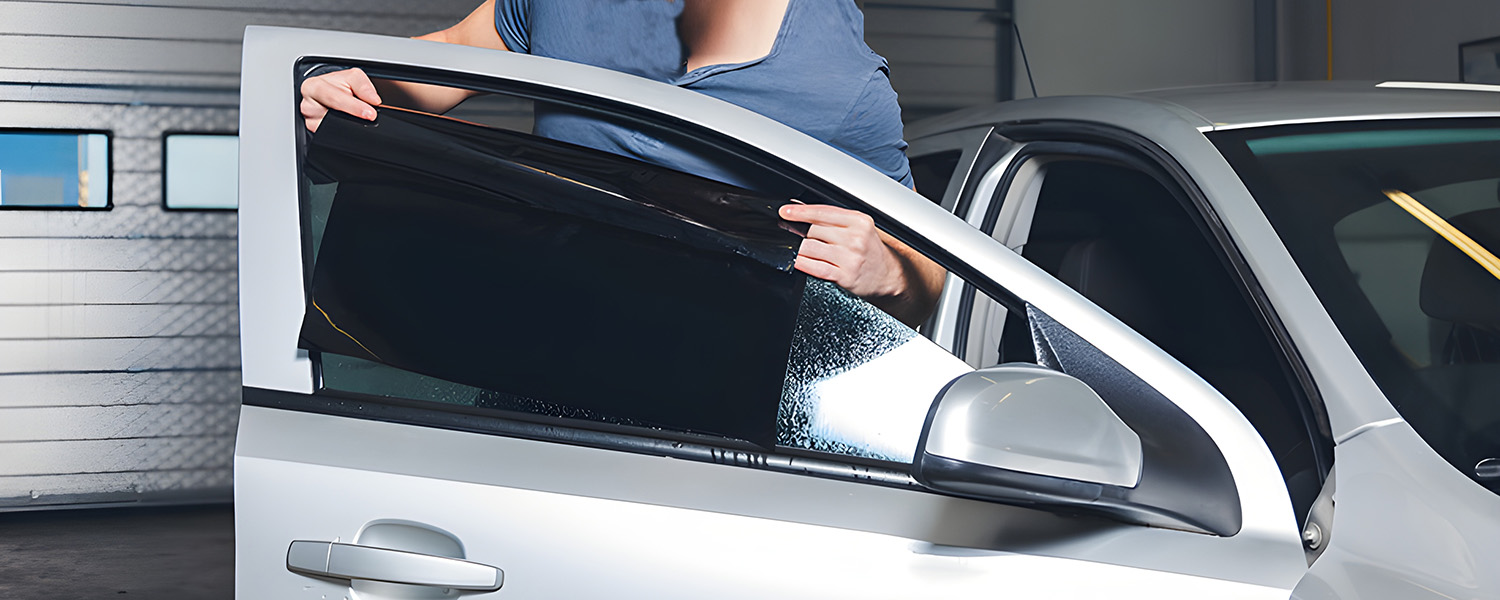
Visible light transmission measures the percentage of visible light passing through. Higher VLT means a lighter film.
Ask which figure you are seeing Film-only data and the final glass-and-film result differ.
Total solar energy rejected gives a broader measure of solar heat rejection. Compare the same test basis, glass and shade.
Check the measurement An infrared figure over a limited wavelength range is not the same as TSER.
UV protection helps reduce ultraviolet exposure through treated glass. Check the exact product data rather than applying one brand claim to every film.
Keep the limits in mind Film cannot eliminate every cause of interior fading.
A high UV figure is not the percentage of total heat rejected. A darker film does not automatically provide better solar control. Check the exact series using 3M automotive film guidance, not a demonstration lamp or an unsupported heat percentage.
Tint can reduce solar load and glare, but it cannot repair a refrigerant leak or failed compressor. If cooling is weak even out of the sun, arrange car AC diagnosis. A parked cabin can still become hot.
Film families help narrow the choice. The specification and warranty of the actual product decide what you receive.
Provides shade and glare reduction at a generally lower price. Heat rejection and color stability vary by product.
Ask for the series, visible light transmission and written coverage for fading, peeling or bubbling.
Carbon-based products can combine a dark appearance with improved solar control. Performance still varies between grades and shades.
Compare TSER and optical clarity with the ceramic option at a similar shade. Do not treat carbon as a lifetime no-fade promise.
Ceramic products can provide strong heat rejection at lighter shades. A premium label alone does not establish how much heat is rejected.
Confirm the product data, nighttime view and whether the chosen film is nonmetalized where signal compatibility matters.
Some films use metal layers, hybrids or other multilayer constructions. Their reflectivity, heat performance and possible effect on in-glass antennas or signals depend on the product. Compare the actual manufacturer sheet rather than assuming every premium film is ceramic.
3M, LLumar and SunTek each offer different automotive film lines. These are useful brands to compare, not a statement that every line is in stock or that Mechanics is an authorized dealer.
Ask which FX, ceramic or Crystalline product is being quoted, and compare the data for the selected shade. The brand name alone does not identify the construction or heat performance.
Check the automotive film series, available shades and UAE warranty arrangement. Overseas product names and warranty promises may not apply to the local installation.
Compare the relevant carbon or ceramic line and its regional specifications. Confirm the supplier, product identity and warranty documentation before fitting.
Request the film brand, series, shade, covered windows, installation date and applicable warranty record. Ask whether glass breakage, scratches, accidental damage, removal and labor are covered or excluded. Avoid choosing on an unexplained lifetime claim.
Agree the window coverage, glass condition and any old-film removal risks before fitting begins. The preparation deserves as much attention as the finish.
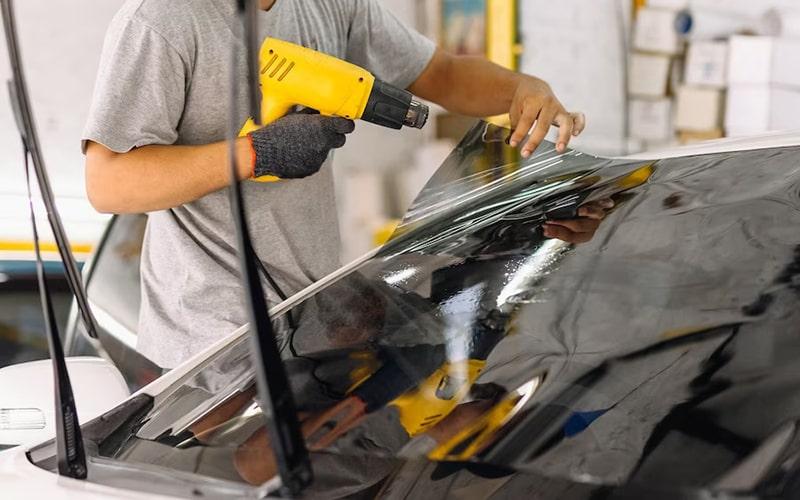
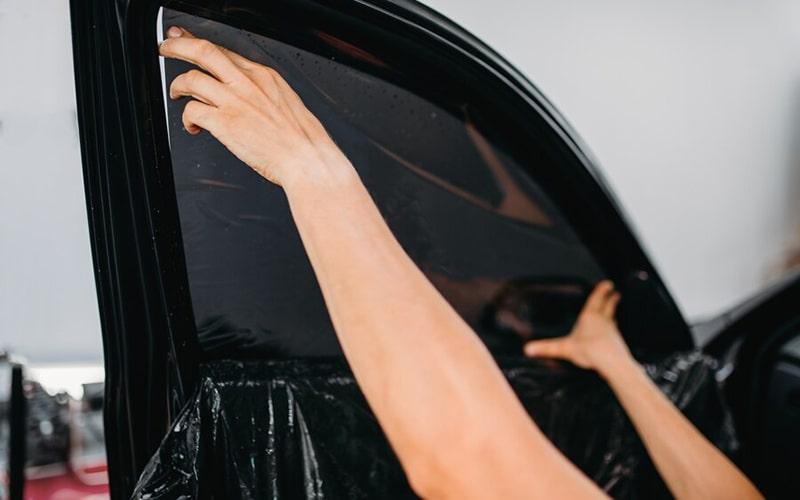
Agree collection after the vehicle and old film have been assessed. Your car may be ready before the film is fully dry. Take away the exact film details and written instructions for window use and cleaning.
A good finish needs the right care after collection. Follow the written guidance for your installed film, because drying time varies with the product, glass and conditions.
The cabin can still become dangerously hot. Never leave children or pets inside. Window tint is not paint protection film or security glass.
Clear answers about the work, cost and next step for your car.
As a published market guide, 3M Ceramic IR installation is listed at AED 1,200–1,800 for a sedan. This is not a fixed Mechanics price. The chosen series, vehicle, covered windows, old-film removal and VAT must be confirmed in your written quotation.
Do not assume so. UAE tint discussions often use a darkness label, while VLT measures the light transmitted. Existing glass also affects the final result. Ask for the film specification and a compliance check for the finished glass and vehicle category.
The official guidance cited above excludes the front windshield. Do not assume that a clear heat-control film or sun strip is automatically permitted. Confirm any proposed exception with the licensing authority before installation.
No. The result depends on the exact film, covered glass, sunlight and vehicle. A parked cabin can still get hot, and the AC must function correctly. Compare documented total solar energy rejection rather than expecting a guaranteed cabin temperature.
The film construction and vehicle equipment matter. Some metal-containing films can affect signals or antennas. Ask for a suitable nonmetalized product and confirmation for the specific film and glass arrangement. The word ceramic alone is not a complete specification.
Careful removal reduces risk, but aged or already damaged defroster lines can be vulnerable. Have the glass and film inspected first and agree the removal method, price and limitations before work starts.
Only after the glass type and film compatibility are confirmed. Existing coatings, glazing construction and heat absorption affect suitability. Treat roof glass as a separate assessment and quote, not an automatic addition to a side-window package.
Ask for a quote for the affected window. A close match depends on the existing film brand, series, shade, age and the glass itself. Bring the original invoice or product details if available. Confirm any old-film removal, the expected appearance and the quoted window coverage before approving the work.
Tell Mechanics whether your priority is less solar heat, reduced glare, privacy or replacing damaged film. We help narrow the options and confirm the product and installation price before you decide.
Call to discuss the choices or send your vehicle details on WhatsApp for a written quote.
Film availability, installation time and any pickup arrangements are confirmed when you contact us.