Minor repair guide
From AED 1,000This initial budget concerns limited cleaning and minor electrical work. It does not establish that engine, safety-system or under-carpet components are unaffected.
Car stalled in water or water entered the cabin? Do not restart it. Mechanics assesses engine, electrical and interior damage in Al Quoz, explains what can be repaired and provides a staged quote before repair work.
Limited minor repair estimates start around AED 1,000Limited minor damage only. Major engine or electrical damage can exceed AED 10,000.
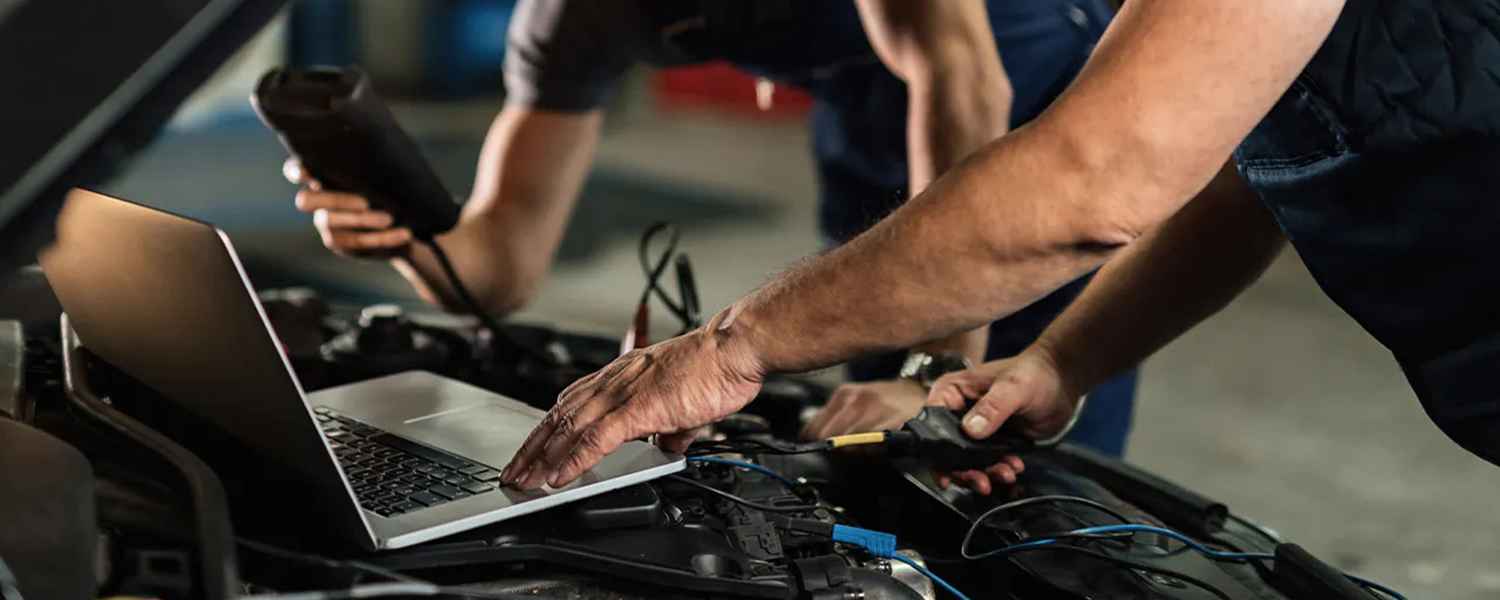
A car that looks dry may still contain water in its intake, wiring or modules.
Call your insurer or recovery provider before moving the vehicle when it is safe to do so. Tell them whether it is in a basement, has locked wheels or cannot select neutral. Recovery must follow the manufacturer transport instructions.
Do not charge, start or handle high-voltage components after suspected flood exposure. Tell the manufacturer and recovery operator. Heat, smoke, hissing or popping requires distance and emergency help. Specialist assessment may be needed before a garage can accept the vehicle.
Water height alone cannot set a repair price. Exposure time, contamination, attempted restarts and the components affected can change the bill substantially.
This initial budget concerns limited cleaning and minor electrical work. It does not establish that engine, safety-system or under-carpet components are unaffected.
This estimate concerns more extensive interior and electrical work. Actual parts, dismantling, drying and diagnostic findings determine whether this range is relevant.
Engine damage, major wiring or module replacement and extensive interior work can exceed this level. It is not a price ceiling or a promise that repair will be economical.
These published planning figures are estimates, not fixed packages. Their VAT basis and itemized inclusions are not confirmed. Ask for assessment charges, recovery, dismantling, drying, parts, labor, programming and VAT to be identified in your written quote.
An initial assessment may reveal the need to remove trim or test a major component. Agree what that stage costs and what it will establish. Further repairs, storage, recovery and insurer-required reports should be confirmed separately if applicable.
Send the vehicle make, model and year, its location and your best account of the event. State whether the car was parked, moving or running when the water rose, whether it stalled and whether anyone tried to restart it.
Take photos only when safe. A clear account helps target the checks. It does not replace physical inspection or establish insurance cover.
Document visible waterlines, mud, moisture and affected areas before cleaning or dismantling obscures the evidence.
Assess engine and electrical risks first. A scan is useful when the vehicle is safe to energize, but a fault-code readout alone is not a flood assessment.
Identify repairable items, likely replacements and unresolved areas. Explain what additional access or testing is needed before quoting a larger repair.
Water entering the engine can damage internal components. These checks establish what happened before a start attempt or repair decision.

A starter that cannot turn the engine is not automatically faulty. An oil change alone does not prove that a water-exposed engine is sound.
Check the air filter and intake for water exposure. Record whether the car stalled and whether anyone tried to restart it.
Assess the engine, transmission and other driveline units for water entry through seals or vents. Change fluids when contamination or the manufacturer procedure requires it.
Inspection findings determine whether controlled compression testing, leak-down testing or internal examination is appropriate.
Discuss a separate engine repair or replacement quote that identifies the parts, labor and testing required.
Moisture can remain inside connectors, splices and harness coverings. Inspection should follow the affected areas rather than only the first fault code. Cleaning, repair or replacement depends on the damage and manufacturer method.
A module communication fault can involve power, ground, wiring or the module itself. Water-damaged units may need replacement and programming. Drying a unit or clearing a code does not prove a durable repair.
Airbag and seat-belt electronics, braking controls, steering systems and driver assistance equipment need assessment when exposed. Required replacements and calibration should be identified in the repair plan.
Corrosion and trapped moisture can cause faults after the car appears to work again. The handover should explain the checks completed, any unresolved findings and the symptoms that require a return visit. We explain the limits of the completed checks and any remaining risks before handover.
Dry seats and a clean carpet can hide trapped water. Assessment needs to reach the backing, padding and enclosed areas beneath the surface.
Odor treatment cannot replace moisture removal and checks for contaminated materials.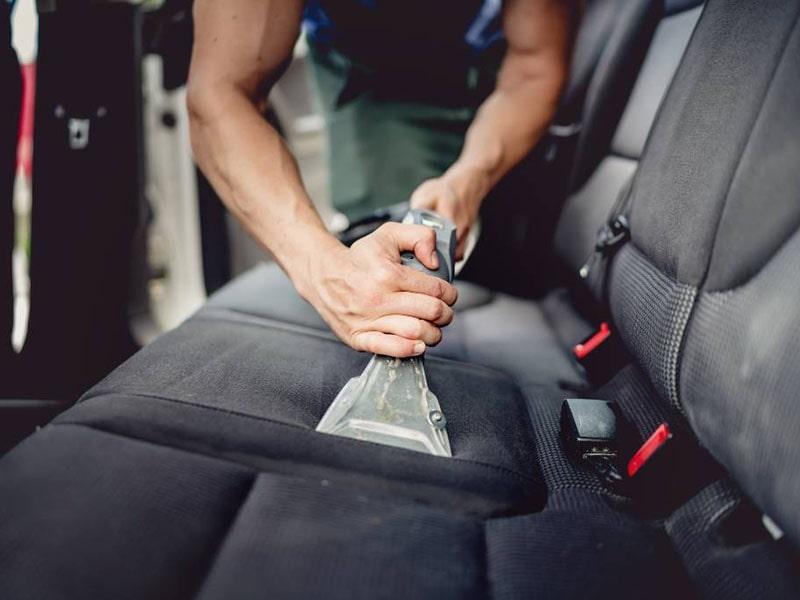
Dirty floodwater can contaminate materials that cannot reliably be cleaned. Their condition determines what can be dried and reused and what needs replacement.
A blocked drain or seal leak needs different checks from road flooding. The water entry path must be addressed to help prevent another wet cabin.
Tell the insurer what happened, including whether the vehicle was running or restarted. Keep the original photos and the written instructions you receive.
Coverage depends on your policy wording, circumstances and the insurer decision. A repair estimate, comprehensive-policy label or a vehicle that was parked does not by itself confirm an accepted claim.
Mechanics can provide repair findings, estimates and invoices to support your claim. We do not process or approve insurance claims, promise reimbursement or claim approved-repairer status for every insurer.
Opening a claim, authorizing diagnosis and approving repairs are different steps. A claim reference does not by itself authorize every workshop charge.
Keep the incident date, location, original damage photos and the factual account of any restart attempts together. Use the current document checklist supplied by your own insurer.
Ask which facility should receive the vehicle, whether a survey must happen before dismantling, and what urgent measures are allowed. Confirm assessment, transport and any storage charges before committing to them.
Once findings are available, separate insurer-authorized work from any additional work you would pay for. Keep changes to the estimate and any approval limits in writing.
Record the building name, parking location and incident date. Your insurer may also request owner or developer details and the Dubai Makani number. For example, GIG Gulf’s flood claim checklist includes these details alongside vehicle documents, a report, damage photos and a signed claim form. Follow your own insurer’s current instructions.
Ask the insurer which immediate measures are permitted to limit further damage. Safety and recovery instructions take priority. Keep a record of the instructions and costs, and do not assume that starting repairs privately guarantees reimbursement.
Some flood-damaged cars can be repaired. Others involve costs or remaining risks that make further work difficult to justify. An inspection should support the decision, not assume the answer.
| Finding | Decision to discuss | What the quote should establish |
|---|---|---|
| Limited ingress with no confirmed major-component damage | Proceed with the defined repair and drying plan | Affected areas, cleaning or replacement work, final checks and exclusions. |
| Engine or several electrical systems affected | Compare the complete repair plan with vehicle value and expected reliability | Parts availability, programming, follow-up needs and the cost of unresolved areas. |
| Extensive contamination or safety-system damage | Pause before committing to restoration | Whether a supported repair is possible and whether the insurer requires a total-loss assessment. |
Limited work may take several days. Extensive drying, parts sourcing, electronic diagnosis and insurer authorization can extend repairs into weeks. Ask for the next decision date and a completion estimate after the affected systems are established.
The repair estimate should identify each component, its condition and why replacement is needed. New genuine, identified aftermarket or another agreed option must suit the vehicle and the manufacturer’s repair requirements.
Match replacement electronics to the vehicle and equipment. List programming, coding and any required calibration separately or state that they are included. Drying a damaged unit does not establish that it is suitable for reuse, and a module replacement cannot correct damaged vehicle wiring by itself.
Distinguish material that can be cleaned and dried from material that remains contaminated or damaged. Ask whether the estimate covers the visible carpet only or also the affected padding, insulation and trim. Fragrance or odor treatment does not replace this decision.
Follow the applicable repair procedure for exposed safety-related components. Record what was inspected, what must be replaced and which checks remain. Confirm the supplied-part condition and written coverage instead of choosing solely by purchase price.
Return warnings, intermittent electrical faults, musty odors, wet carpets or unusual starting behavior need follow-up. Keep the damage and repair records with the vehicle history.
A running engine and a clean cabin are not enough to prove that every flood-related problem has been resolved. The final discussion should cover remaining uncertainty and any recommended recheck.
Clear answers on the work, costs and what happens next at Mechanics in Al Quoz.
Do not restart or jump-start a car after suspected flood ingress until it has been assessed. Water may remain in the intake, engine, modules or wiring even when the outside looks dry.
Stop further attempts and tell the garage exactly what happened. Mention whether it cranked, clicked, stalled again or made an unusual noise. This information helps determine the next mechanical and electrical checks.
Only your insurer can confirm your claim under the applicable policy and circumstances. Ask about flood or storm provisions, exclusions, excess, required reports and repair authorization before approving major work.
Mechanics can supply findings, repair estimates and invoices. The policyholder opens the claim and the insurer decides coverage, approved repair arrangements and any settlement. We do not guarantee claim acceptance.
No. Inspection determines whether water reached the engine and whether damage occurred. Confirmed damage may lead to a repair, rebuild or replacement comparison. Do not treat an oil change or successful restart as proof that the engine is undamaged.
Acceptance depends on the exact model, exposure and required safety arrangements. Do not charge or handle high-voltage parts. Contact the vehicle manufacturer and insurer, and confirm that the receiving facility can perform the required specialist assessment.
No. Moisture may remain under carpets and near electrical or restraint components. The affected layers and systems need inspection even if the car appears to drive normally.
The existing guide starts around AED 1,000 for limited minor work, lists AED 3,000 to AED 7,000 for moderate damage and notes severe work can exceed AED 10,000. These are not fixed packages. Parts, labor, assessment, drying, recovery and VAT must be confirmed in the written quote.
No reliable assessment can promise that all future flood-related faults are eliminated. Agree the repair work, testing, any follow-up checks and the exact warranty terms in writing.
Send the model, year, location, approximate water level and exposure time, plus whether it stalled or was restarted. Add safe photos if available and tell us whether the insurer has provided recovery or inspection instructions.
Your insurer may require a report even when the car was parked. Confirm its current flood-claim checklist and the official reporting route. Keep the actual incident date and location consistent across your records. A workshop estimate is not a substitute for a report requested by the insurer.
Ask the insurer for its decision and reasons in writing. Before choosing private repairs, agree which assessment or recovery charges are already due and request a separate staged estimate. Approve only the work you intend to pay for. Mechanics cannot decide insurance coverage or guarantee a later reimbursement.
Tell us where the car is, how high the water reached and whether anyone tried to start it. We will discuss safe recovery and the next assessment step.