Car Fuel Tank Repair in Dubai
Fuel smell, a wet patch, or visible tank damage? Mechanics traces the leak to the tank, a connection, or a nearby seal, then quotes the repair or replacement your vehicle actually needs.
For a compatible standard tank with normal fitting and leak checks. Includes 5% VAT. Premium assemblies and separate pump work need a vehicle-specific quote.
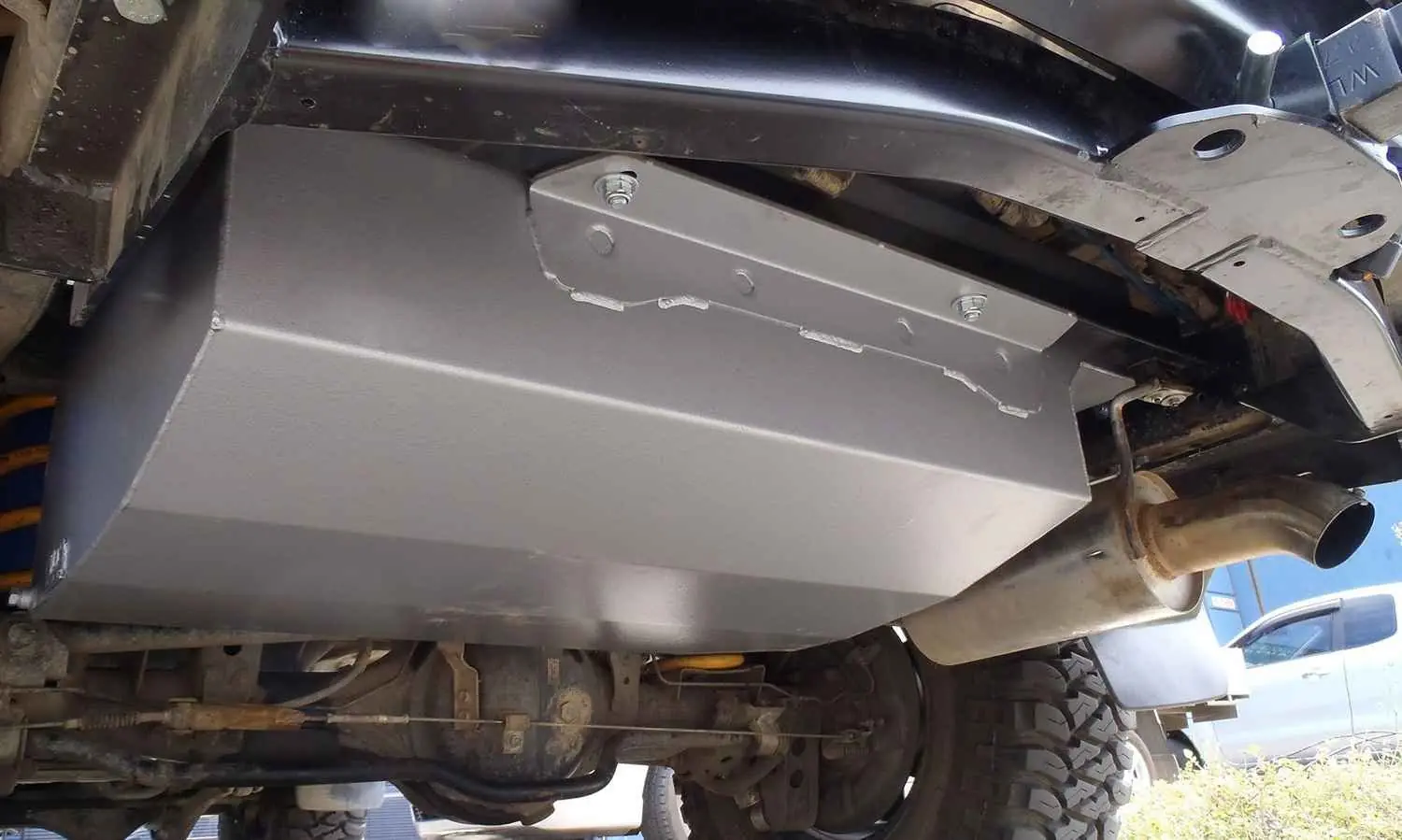
Fuel tank repair and replacement prices
A leaking accessible hose or seal can be a smaller job than replacing the tank. These budgets separate those repairs and show when the assembly needs its own quote.
| Work required | Estimated AED | What the budget covers |
|---|---|---|
| Accessible tank-area hose or seal leak | 300–850 | One localized repair using a compatible hose or seal, ordinary access and fitting, and a leak check. Tank removal, a pump assembly, and tank-shell damage are outside this budget. |
| Standard fuel tank replacement | 1,500–3,200 | One compatible tank for a supported passenger vehicle, normal removal and fitting, connection checks, and leak testing. The quote identifies the part and its condition. |
| Premium, saddle-shaped, or complex tank assembly | Vehicle-specific quote | The correct tank, access work, and required fittings are priced together. Integrated pumps, sender units, transfer systems, unusual availability, or substantial dismantling can change the total. |
Planning estimates include a 5% VAT allowance and the stated parts, labor, and checks. They are not fixed offers or a price ceiling for every model. Diagnosis and the written quote confirm the actual work before approval.
Recovery, fuel replacement or disposal, contamination cleaning, extensive corrosion, exhaust or drivetrain removal, pumps, level senders, and vent-system repairs are extra unless specifically included. Ask for these items to be listed rather than added twice to shared labor.
What your quote should confirm
Ask for the confirmed leak source, tank or separate component required, parts condition, access work, and fitted total. Tell us the model, year, fuel type, and approximate fuel level. Report an active leak before arranging transport.
What changes the fitted tank repair total
Access and removalA seal reached through an approved access opening is a different job from lowering a tank or moving surrounding components. The quote should explain the access required. More dismantling may also mean additional fittings or seals need replacement.
The assembly suppliedA bare tank shell and a complete assembly do not contain the same parts. Check whether the price includes the pump, level sender, seals, straps, and filler connections. Agree which serviceable components will be transferred before comparing quotations.
Fuel and contaminationThe amount and condition of fuel, contamination, and damage around the tank can affect the job. Safe fuel handling, disposal, cleaning, or replacement fuel should be separately identified where required. Those costs should not be hidden in an unexplained parts total.
A fuel leak does not always mean a failed tank
The visible wet area may sit below the actual leak. An inspection needs to distinguish the tank shell from the components attached to it before a replacement is authorized.
- 01Filler neck, hose, or connection
- A fault around the filler can become more noticeable during or after refueling. The tank may still be serviceable if the damaged component can be replaced separately.
- 02Pump opening or upper seal
- A seal or fitting on top of the tank can be difficult to see from underneath. Access depends on the vehicle, and some jobs require tank removal.
- 03Tank body or mounting damage
- Impact, corrosion, a damaged seam, or a distorted mounting area may make replacement necessary. The tank material and extent of damage matter.
Smell, warning lights, and fuel delivery are different clues
A fuel smell needs inspection even when there is no visible drip. A cap or vapor-system fault can also trigger an emissions warning. Neither a warning light nor increased fuel use alone proves the tank must be replaced.
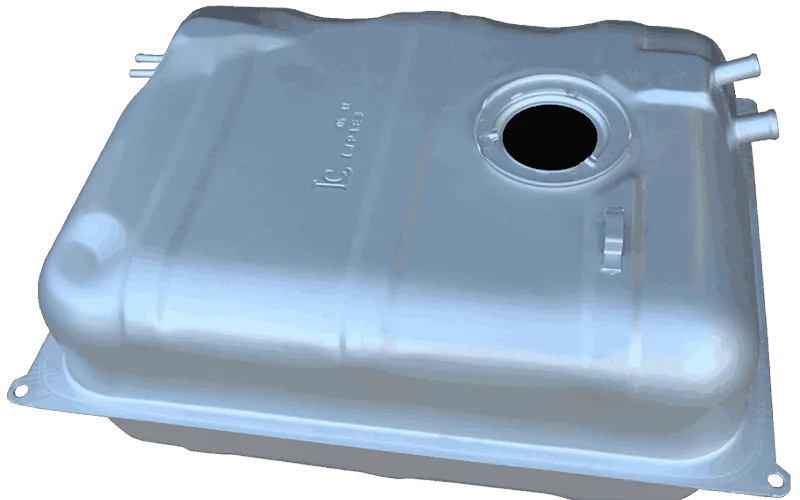
If the main complaint is low fuel pressure, loss of power, or a no-start condition without a confirmed tank leak, see our fuel pump replacement service. Pump diagnosis and tank leak repair may overlap, but they are different jobs.
Fuel leak, pump fault, or vapor problem?
A liquid leak, an emissions warning, and low fuel pressure need different evidence. The right assessment helps avoid replacing a tank to solve a fault in a seal, vent component, pump, or fuel-level circuit.
Where liquid fuel is escaping
The important result is a located leak source. Inspection should distinguish the shell, seams, filler assembly, upper openings, and connections. A wet area underneath the car may be below the origin of the leak. Ask whether the source was visible or whether further controlled access is needed before the repair can be quoted accurately.
Whether a vapor-system fault is involved
An emissions-system fault is not automatically a hole in the tank. Where relevant, checks need to consider the filler closure, seals, vent lines, and associated components. The workshop should use the vehicle-appropriate test method. A visual check alone may not resolve an intermittent vapor complaint, and clearing the warning does not establish that its cause has been repaired.
Whether the problem is delivery or measurement
A fuel-pressure or gauge complaint needs its own diagnosis. A pump, electrical connection, level sender, or another part of the system may need investigation even when the tank shell is sound. Conversely, a working pump does not make a leaking tank safe. The quotation should keep these findings separate and combine work only when the evidence supports both repairs.
Useful details include whether the smell follows refueling, whether a patch appears only at a higher fuel level, whether the gauge reading changed suddenly, and whether there was a recent underbody impact. Share what you have already noticed. Do not recreate a leak, overfill the tank, or get underneath the vehicle to collect evidence.
Fix the leak or replace the tank
A safe repair depends on what has failed and whether the manufacturer’s method supports it. Gasoline and diesel systems both require controlled handling.
Plastic and metal need different decisions
A low-cost surface patch is not a substitute for identifying the tank material, the damaged area, and the manufacturer’s permitted repair method.
- Plastic tanks
- Confirm the construction and damage location before discussing a shell repair. A split seam, distorted mounting area, or damaged connection can make replacement necessary. A filler or adhesive described as fuel resistant is not, by itself, evidence of a suitable vehicle-tank repair.
- Metal tanks
- Establish whether the problem is a replaceable fitting or deterioration of the tank itself. External paint or protective coating does not restore a perforated or structurally weakened shell. The recommendation should explain why the tank can be retained or why replacement is needed.
- Diesel residue still matters
- Do not assume an emptied diesel tank is safe to heat or weld. Hazardous residue can remain after draining. Any tank work needs an appropriate professional method and handling controls, regardless of whether the vehicle uses gasoline or diesel.
Do not drill, weld, heat, or drain it yourself. An apparently empty tank can still contain hazardous fuel residue and vapor. Tank-shell repair is considered only where a suitable professional method is supported, not promised as a universal low-cost fix.
From leak inspection to a tested repair
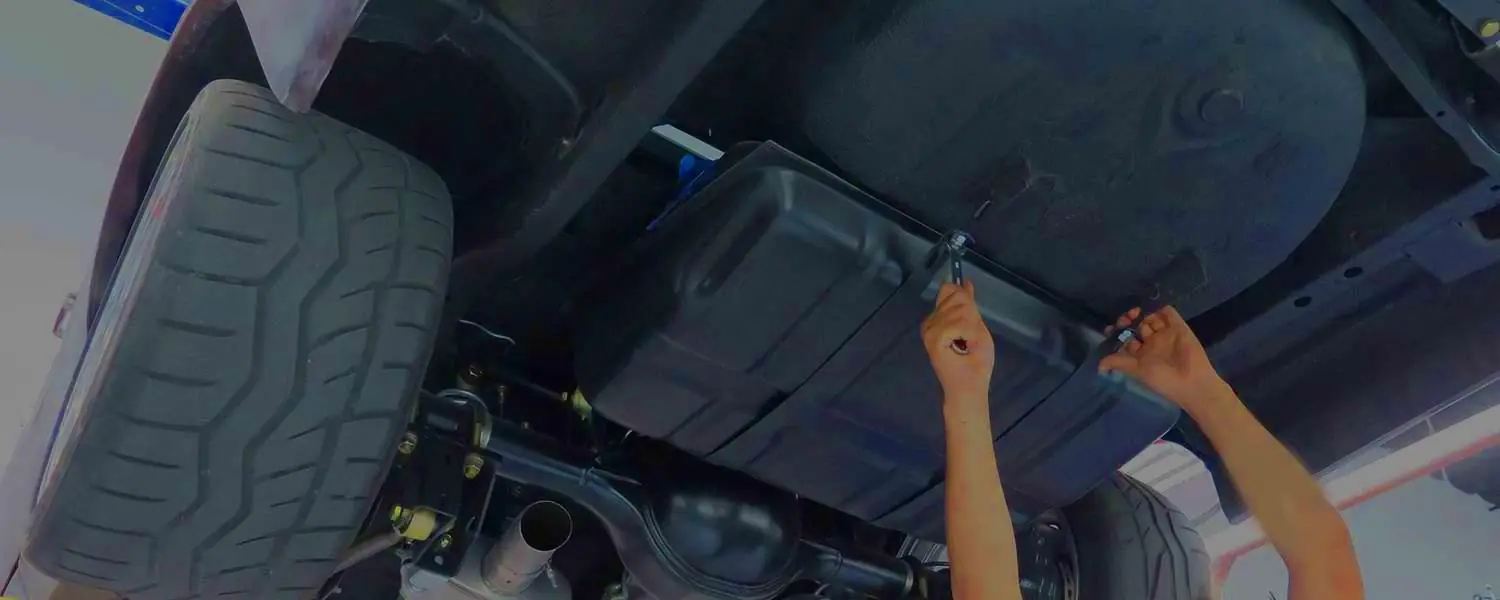
A hose or seal job with straightforward access is different from sourcing a tank or dismantling around it. Parts availability, residual fuel, corrosion, and contamination can affect the schedule. Timing is confirmed after assessment.
Identify the source and the affected parts
Share when the problem appears, recent refueling, any underbody impact, and whether the fuel level changes the symptom. Controlled inspection determines the next checks and safe access. Any relevant fuel smell inside the vehicle and work previously carried out around the tank should be recorded. A suspected leak is assessed before routine road testing is considered.
Agree the complete repair
The quote should name the failed component, supplied part condition, removal and fitting work, and testing. Any necessary fuel handling, cleaning, or associated repairs should be itemized. Compare the total installed job with the correct part, not just the tank’s purchase price. Agree how newly discovered damage or additional access work will be authorized.
Carry out the approved work
The repair follows the vehicle and component requirements. Damaged mounts, pipes, or seals discovered during access need an explanation before additional work is approved. The workshop should also account for seals and connections disturbed during removal. Parts that cannot be reused safely need to be identified in the revised work list.
Check the system before return
Verify the repaired connections for leaks and check affected gauge, pump, and ventilation functions as applicable. Request the invoice, the fitted part details, and any applicable written warranty. A return of the original symptom needs follow-up even if a warning light is no longer showing. Keep the job record so any subsequent inspection can start with the work already completed.
Match the tank to your engine and drivetrain
A tank that fits one body style or powertrain may be wrong for another version of the same model. Confirm the actual fuel-system arrangement before ordering parts or assuming the standard replacement budget applies.
Gasoline and diesel applications
Fuel compatibility, connections, ventilation, and the installed pump or sender arrangement need to be matched. Do not select a tank only by appearance or advertised capacity. Tell us the fuel type and whether the vehicle has any nonstandard fuel-system modifications.
Different body and drivetrain layouts
Sedan, SUV, long-wheelbase, and different drivetrain versions can have different tanks and access requirements. Mounting points, shields, nearby exhaust parts, and available removal clearance influence the work. The VIN and actual installed components help resolve variations that a model name cannot.
Saddle tanks and linked components
A tank arranged around other vehicle components may have more than one chamber or associated transfer and level-measurement parts. If those components are involved, the quote needs to identify them individually. A problem transferring or measuring fuel should not be described simply as a damaged tank shell.
Hybrid and pressure-managed systems
Some hybrid vehicles have specific fuel-door release and pressure-management requirements. Tell us the exact powertrain and any refueling message before work is planned. The vehicle procedure must be followed. Do not force the filler door or treat an unfamiliar pressure-related message as permission to open the system.
Ford’s hybrid refueling guidance illustrates why pressure and filler-door instructions are vehicle-specific. Follow the manual for your own vehicle. This service information concerns liquid-fuel tanks, not high-pressure gas cylinders.
Check the tank, seals, and fittings
Vehicle make, model, year, fuel type, and VIN or registration details. A photo taken safely from outside the vehicle can help, but never crawl underneath or touch a leak to get one.
- Genuine or compatible new tank
- Compare the vehicle-matched options available for your model. Shape, capacity, fuel compatibility, mounting points, and openings must all suit the original system. “Universal” is not sufficient fitment evidence.
- Used tank only after suitability checks
- If a used option is proposed, ask about its identity, condition, damage, corrosion, and written coverage. Do not treat an unknown used tank as equivalent to a new one or assume a used part is available for every vehicle.
- Seals, pump, sender, and ventilation components
- A replacement tank may not include the pump, fuel-level sender, filler parts, straps, or vent components. Confirm what is transferred, what is renewed, and which additional parts are genuinely needed.
- Cleaning and contaminated fuel
- Cleaning a suitable tank is a separate decision from repairing a leak. Suspected contamination needs assessment of the wider fuel system. Cleaning cannot restore a cracked or structurally damaged tank.
Confirm the repair and know when to call again
A useful handover explains what leaked, which parts were replaced, and how the affected system was checked. If the original symptom only appeared under particular conditions, ask how those conditions were addressed during the assessment.
- Check the invoice for the tank or component identity, supplied condition, seals, fitting work, and agreed additional parts.
- Ask which repaired connections were checked and whether any further investigation remains outstanding.
- Confirm the status of any fuel-level complaint, emissions warning, or separate pump issue raised when the vehicle arrived.
- Follow the vehicle’s refueling instructions and stop at the automatic shutoff rather than repeatedly topping off.
- Report a returning fuel smell, fresh wet patch, unusual refueling behavior, or gauge concern promptly.
- If fuel is leaking again, stop safely, switch off, and arrange recovery rather than continuing to drive to test the repair.
Plan the workshop visit in Al Quoz
Mechanics handles mechanical and electrical repair inquiries at its Al Quoz, Dubai workshop. When contacting us, start with the vehicle model, year, fuel type, and the symptom. The VIN or part identification can follow when needed for accurate parts matching. There is no need to dismantle anything before an inquiry.
For an active leak, discuss safe recovery and the vehicle’s location from a safe place. Ask for the assessment plan, an itemized quote, parts availability, and the expected next update. Any written warranty should identify the work covered and its exclusions rather than imply that unrelated fuel-system faults are included.
The HSE guidance on fire risks during vehicle repair explains why fuel residue and ignition sources require controlled workshop handling.
Service information updated October 11, 2026. Vehicle-specific work and coverage are confirmed in the written quote.
Fuel tank repair questions answered
Practical answers about fuel leaks, fitted costs, parts, and getting the vehicle assessed.
Can I drive with a fuel tank leak?
No. Stop safely, switch the engine off, and do not restart a vehicle with a visible fuel leak. Keep away from ignition sources and call from a safe location to arrange recovery. A strong, persistent fuel smell also needs prompt assessment.
Can a plastic fuel tank be repaired?
Some construction and damage combinations may have an approved professional repair method, but repair is not suitable for every plastic tank. Material, location, severity, and manufacturer requirements determine whether replacement is necessary.
Why does it smell of fuel only after filling up?
The filler assembly, an upper seal, a vent connection, or the tank itself may be involved. The timing helps diagnosis but does not identify the failed part by itself. Avoid topping off after the pump shuts off and have the symptom inspected.
Does replacing the tank include a new fuel pump?
Not automatically. The pump and level sender are separate components on many vehicles and may be transferred if suitable. The quote should state exactly which parts come with the tank and whether a separate pump fault has been confirmed.
What does the AED 1,500–3,200 estimate cover?
It is a planning budget for one compatible standard passenger-vehicle tank, normal removal and fitting, and connection and leak checks, including a 5% VAT allowance. The actual part and condition must be identified in the quote. Premium or complex assemblies, recovery, fuel, and separate pump work can cost more.
Can the fuel tank be cleaned instead of replaced?
Cleaning may be appropriate for a serviceable tank when contamination is the issue. It will not fix a crack, perforation, damaged mounting point, or failed connection. Assessment should also establish whether contamination has affected the pump, filter, lines, or injection system.
How long will the vehicle need to stay?
That depends on the leak source, access, fuel handling, and parts availability. Ask for a completion estimate after diagnosis. A small accessible component repair and a complex tank replacement should not carry the same time promise.
How do I arrange fuel tank repair in Dubai?
Contact Mechanics in Al Quoz on +971 50 608 7150 with the vehicle details and symptoms. Tell us immediately if fuel is actively leaking so safe recovery can be discussed. Do not drive to the workshop to obtain a quote for an active leak.
Does a falling fuel gauge prove the tank is leaking?
No. A sudden or inconsistent reading can involve the level sender, its connections, or another measurement issue. A genuine leak is a separate possibility and needs immediate attention when accompanied by fuel smell or wetness. Describe both the gauge behavior and any physical evidence.
Why does the fuel nozzle keep clicking off early?
Nozzle position and the vehicle’s filling requirements can affect refueling. Repeated early shutoff may also need assessment of the filler and ventilation system. Do not force in more fuel to overcome it. Follow the owner’s manual and report repeated difficulty for inspection.
Should I arrive with an empty tank?
Do not drive around to use up fuel when a leak is suspected, and do not drain the tank yourself. Tell the workshop the approximate fuel level when arranging the visit or recovery. Any necessary fuel handling can then be included in the work plan.
Does a dent mean the fuel tank must be replaced?
The location and severity matter. An impact can affect the tank, connections, mounts, or nearby components, but appearance alone is not enough to decide. Any leak or significant underbody impact needs assessment. The repair recommendation should explain the actual damage and fitment implications.
Can I supply my own replacement tank?
Discuss it before purchasing. The workshop needs to confirm identification, fuel compatibility, condition, fittings, and whether it can be installed as supplied. Agree responsibility for a wrong or defective supplied part and clarify parts and labor coverage before work begins.
What warranty should I ask about?
Ask for the written coverage on the supplied tank or repaired component and the fitting work. New, refurbished, used, and customer-supplied parts may carry different terms. Confirm who handles a returning leak and whether separate components or pre-existing damage are excluded. No single warranty duration applies to every repair option.
Arrange a fuel leak inspection in Al Quoz
Call from a safe location with your vehicle details and symptoms. We will explain the next assessment and what the fitted repair quote needs to include.