Grinding or squealing
When brakingWhat may need checkingPad and disc condition, trapped debris, brake hardware and wheel-end components.
Braking changes deserve prompt attention. See brake inspection and repair for the available work.
Mechanics · Al Quoz, Dubai
Knocking over bumps, squealing on start-up or grinding when you brake? We investigate when the sound happens, identify the next useful check, and quote the repair supported by the findings.

The timing is the clue
A sound describes a symptom. Its location, timing and effect on the car help decide which system to inspect first. These are possible causes, not a diagnosis from the sound alone.
What may need checkingPad and disc condition, trapped debris, brake hardware and wheel-end components.
Braking changes deserve prompt attention. See brake inspection and repair for the available work.
What may need checkingSuspension joints, bushings, mounts, links and steering components.
The inspection should identify looseness or damage before replacing parts. Explore suspension repair.
What may need checkingThe accessory belt, tensioner, pulleys and driven accessories, where fitted.
A scan alone may not locate a mechanical noise. Physical checks help distinguish belt slip from other causes.
What may need checkingLubrication, engine operation and mechanical components, guided by the vehicle and warning lights.
Deep knocking or an oil-pressure warning needs urgent assessment. Read about engine diagnosis and repair.
What may need checkingTire wear, wheel bearings and rotating drivetrain components. A vibration or change while turning adds useful information.
Road speed and engine speed are different clues. A wheel bearing inspection can distinguish bearing wear from other wheel-end causes.
What may need checkingDrive joints, mounts, exhaust supports, heat shields and loose underbody or cabin fittings, depending on the location.
A click under power during a turn needs a different check from a dashboard rattle over a bump. Explain whether the noise changes when accelerating or lifting off.
Air, exhaust or cooling-system leaks can need different checks. Report any steam, coolant loss or temperature warning as well as the sound.
Hissing with overheating or escaping coolant needs a safe stop. Never open a hot pressure cap. See radiator and cooling-system checks.
Understand the cost before the test
The cost depends on the investigation needed. A scan, physical noise tracing and the eventual repair are separate jobs. These researched Dubai estimates include 5% VAT and help you plan a budget. They are not fixed Mechanics tariffs.
A budget reference when stored faults help guide the investigation. It does not include physical noise tracing, dismantling or replacement parts.
For symptoms that call for live readings or a safe road test alongside vehicle data. Mechanical tracing and extended investigation need their own agreed scope.
A loose shield, hidden bearing and intermittent engine noise can require very different checks. The quote identifies paid test time, any removal and the next decision point.
These rounded planning examples apply only when the fault is confirmed. Each includes the stated parts, routine fitting and 5% VAT. Diagnosis, additional damage and extra work are separate.
Per axle, covering both wheels. Discs, wear sensors and caliper repairs are extra where needed. See the brake repair options.
Per joint with routine fitting. An integrated joint may require a complete arm. Alignment and seized fixings are separate. View suspension repair prices.
Per axle for a standard setup. Performance systems and additional hydraulic faults change the price. Grinding alone does not establish that both parts need replacement.
Your written quote confirms the finding, named parts, labor, VAT and final payable total before paid work. Ask whether any diagnostic charge is separate from the repair. Pickup, recovery, alignment and coding are excluded unless listed. Engine and transmission work needs a fault-specific estimate.
From symptom to repair decision
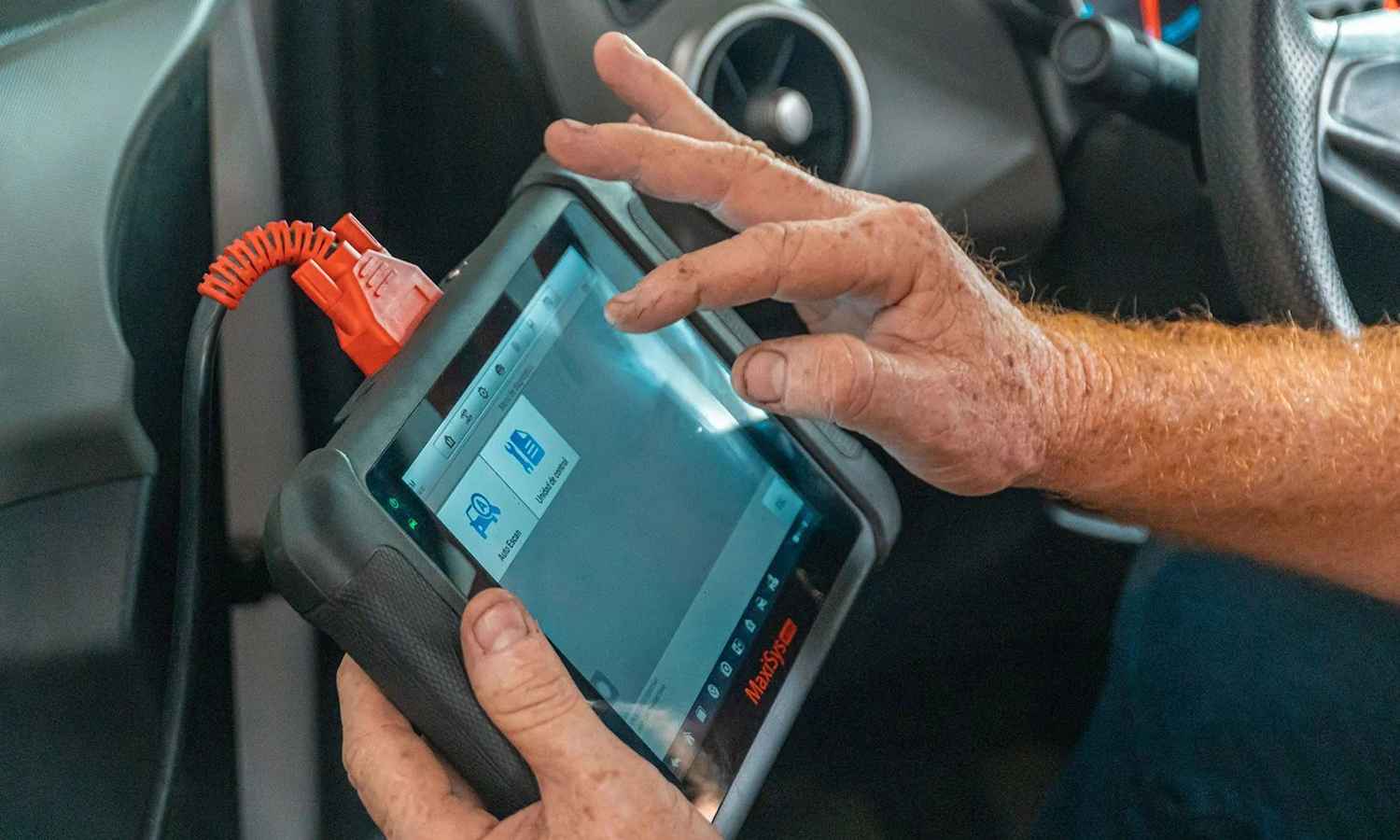
Tests selected for the symptom
The whole list is not necessary for every car. The finding from one check should explain why the next check is useful.
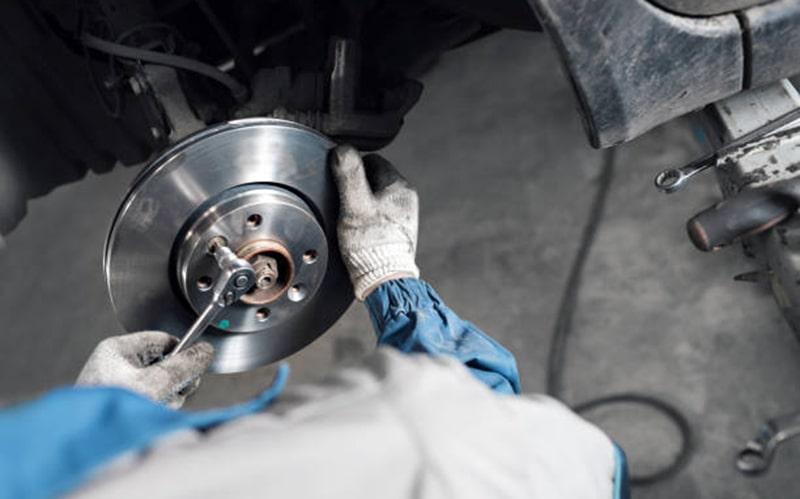
Inspect pad and disc condition, contact marks, hardware and relevant wheel components. A squeal may involve fitment or vibration as well as wear. Measurements and physical condition guide the repair.
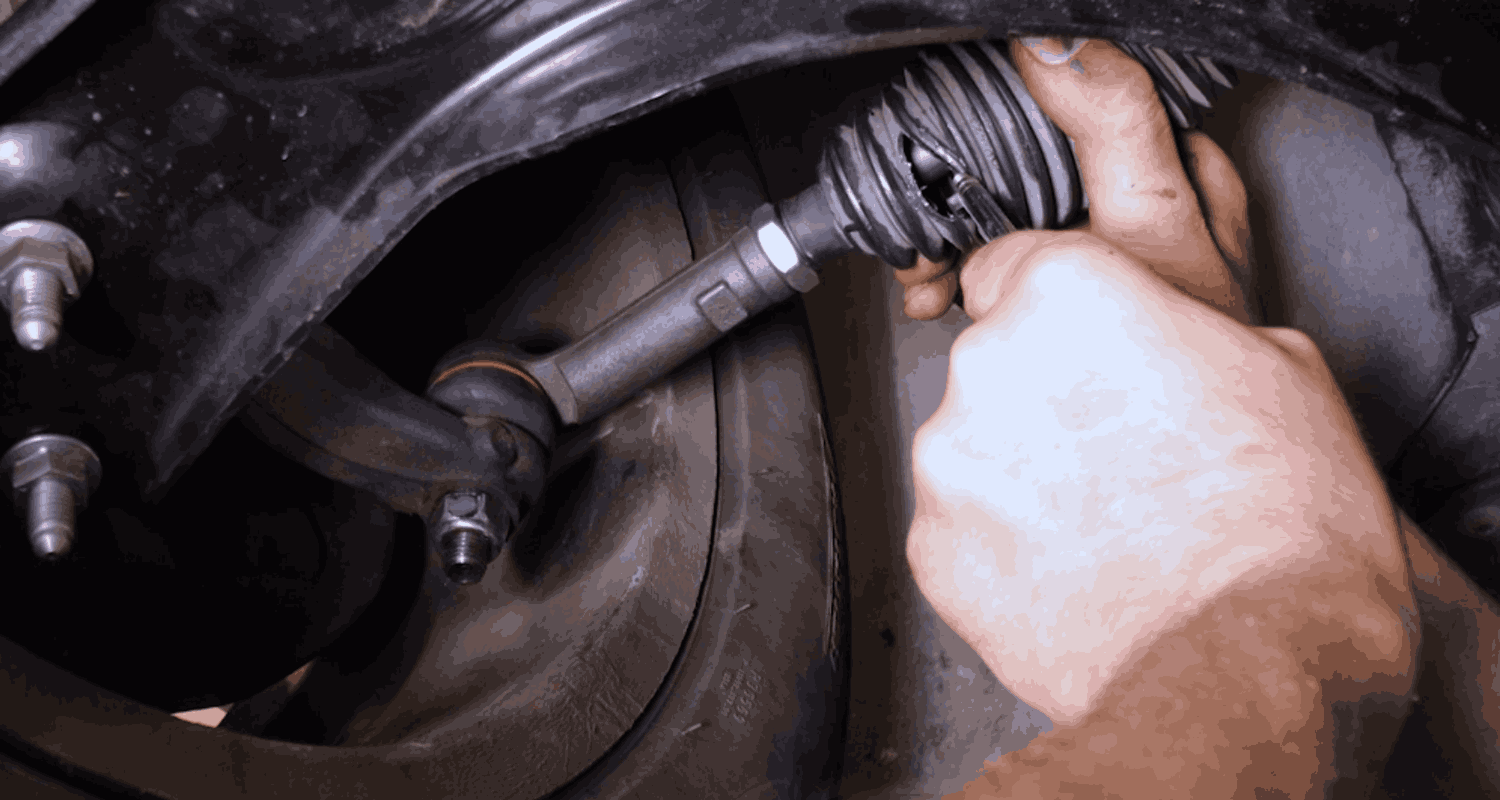
Check the relevant joints, links, bushings, mounts and fixings under appropriate conditions. A component can sound different loaded and unloaded. Any play or damage must be linked to the reported symptom before choosing parts.
Review oil level or pressure concerns, engine operation, fault information and the accessory drive where fitted. Belt alignment, tension and pulley condition can matter. Deeper mechanical testing is agreed if initial checks do not establish the cause.
Look for loose supports, shields, contact points and damaged mountings where the sound originates. A noise linked to a selected gear or shifting may require a separate transmission assessment. Cabin rattles need their own location checks.
Technical reading from Gates on accessory belt noise explains why pulley alignment, belt tension and other drive components matter. Belt sprays can hide the sound and damage the belt material.
From finding to fix
The repair should address the confirmed cause. Mechanics handles mechanical and electrical work in Al Quoz, so the findings can lead to the appropriate repair without treating every sound as a major failure.
A serviceable shield, bracket or fitting may only need its mounting corrected. Broken supports and damaged fixings can still require replacement. Lubrication is appropriate only where the component and manufacturer procedure allow it.
A confirmed worn bearing, damaged joint or failed tensioner needs the correct replacement. The estimate should explain any paired work, fluid refill, alignment or setup needed with that part.
An engine or gearbox concern can require further testing or agreed dismantling. A sound alone does not justify a rebuild. Agree the next test, its cost and the point at which you will receive another update.
Help us hear what you hear
You do not need to identify a technical fault before contacting us. A short description can make the first inspection more useful.
Plan the visit around the sound
A cold-start rattle and a hum at road speed need different observation conditions. Tell us what makes the noise appear so we can plan a useful visit.
After the repair
Relevant final checks should revisit the complaint when safe. Brake, steering and internal engine repairs need different verification.
Retain the itemized work, named parts and applicable written warranty. A separate sound needs its own finding.
Share the repair date, driving conditions and any new warning. Stop safely and seek advice if braking, steering or engine operation changes.
Once the cause is confirmed
The quote should identify the failed component and supporting finding. For a road-speed hum, wheel bearing inspection may be relevant. Transmission and cabin blower noises need their own assessment.
The VIN, engine, axle and fitted equipment help identify the correct replacement. Similar-looking components may have different specifications.
Compare named genuine or compatible replacements, their condition and written warranty. An “OEM” label alone does not identify what will be supplied.
Paired brake or suspension work, fluids, alignment and setup should appear as explained items when the confirmed repair requires them.
If access or dismantling exposes further damage, ask for the revised finding and price before additional work. Check whether diagnostic time is separate or credited against the repair.
Before you book
Useful answers before you arrange a workshop visit.
A recording can help us understand the sound and plan the first check. It cannot confirm the failed part, its condition or whether the car is safe to drive. Vehicle inspection is still needed.
No. Fault codes and live data can help with some engine and electronic faults. Worn joints, loose shields, brake hardware and other mechanical causes may need physical testing even when no warning light is on.
Not necessarily. Temperature, moisture and operating load can change a noise. Repeated squealing should be assessed, especially if braking, steering, charging or engine temperature changes.
A consistent, accessible fault may be identified during the initial visit. Intermittent sounds can need cold-start observation, a safe road test or further checks. We agree any extra diagnostic time before proceeding.
The repair is intended to address the confirmed cause. A car can have more than one noise. Any remaining sound needs its own finding rather than an assumption that all noises share the same source.
Tell us whether the sound changes with cabin fan speed or when the AC is switched on. The blower, compressor, belt drive and cooling fans are different possible sources. See our car AC repair service for related work.
Load can change movement in mounts, drive joints, the exhaust and drivetrain. A sound that follows engine speed needs a different investigation from one that follows road speed. Tell us the gear, speed range and whether lifting off changes it. Do not repeat an unsafe maneuver to demonstrate it.
Yes. Many worn bearings, joints, brake components and loose fixings do not trigger a warning light. The absence of a code cannot confirm that the car is safe. Grinding, steering changes, heavy vibration or worsening knocking should be assessed promptly.
Yes. Describe it naturally, such as a low hum at speed or a metallic tap over bumps. Your make, model, year and the conditions are more useful than choosing a technical label. The inspection determines the next test.
The applicable parts and workmanship terms depend on the agreed repair and selected components. Request those terms in writing with the quote. Diagnosis alone is not a guarantee that a particular part needs replacing.
Get a clear next step
Start with your car details and the sound you have noticed. Mechanics can arrange an initial inspection in Al Quoz and explain the checks needed before you commit to a repair.
Make and model · Year · When it happens
Warning lights · Recent repair or impact
If braking, steering or engine operation is affected, call before planning to drive to the workshop.