Door lock actuator
AED 300–500Guide for a conventional locking-actuator replacement. An integrated latch, soft-close assembly or a door that cannot be opened can cost more.
Door not locking, vents stuck on one setting or an actuator fault on a scan? Mechanics checks the affected system, confirms what has failed and quotes the right repair or replacement. Get the cause explained before buying a motor that may not fix the problem.
Door lock guide AED 300–500 · Climate flap guide AED 400–600
Indicative replacement ranges. The exact assembly, access, labor and VAT must be confirmed in your written quote.
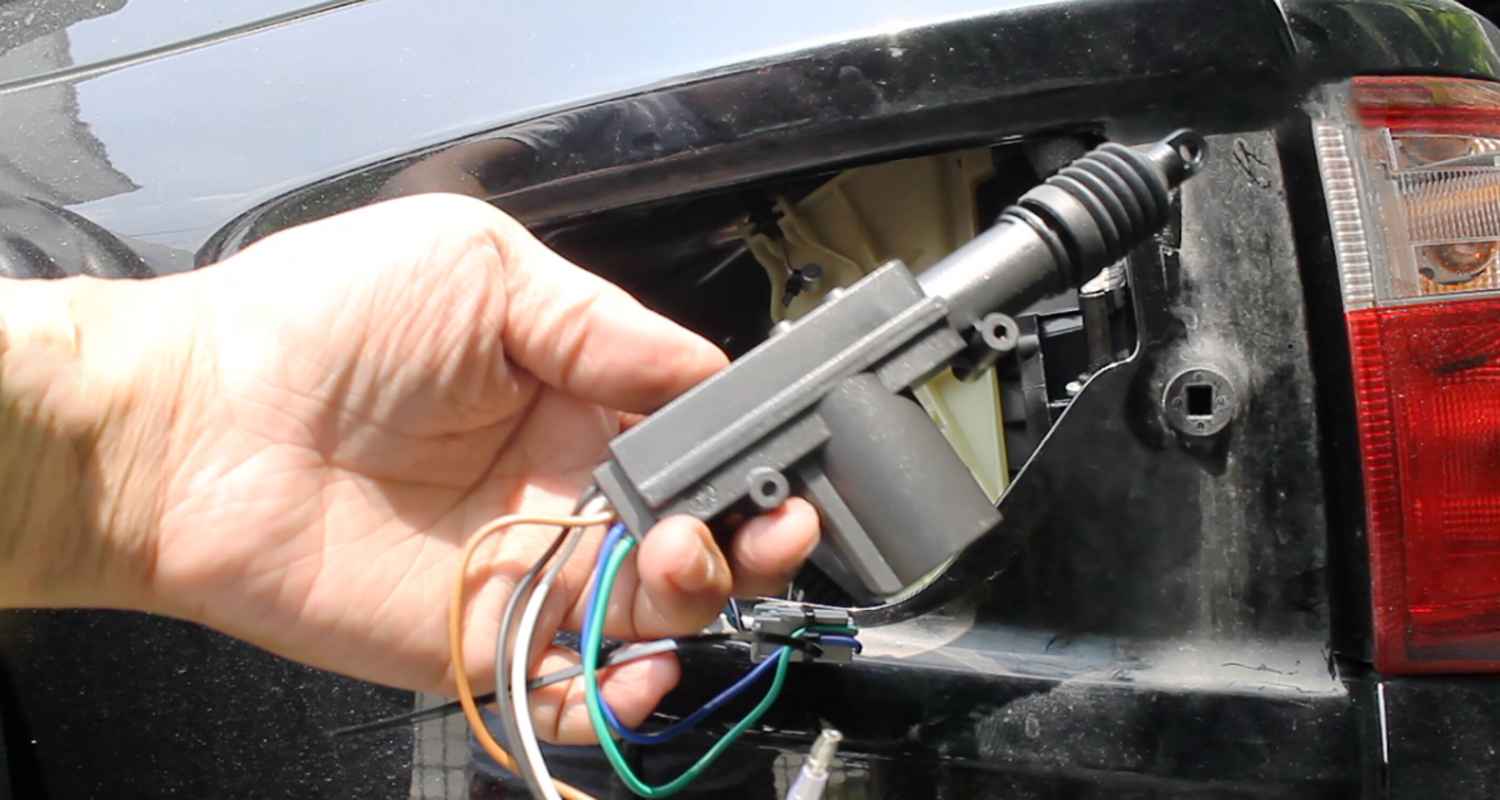
An actuator is a device that turns a command into movement. A small locking motor, a dashboard flap motor and a turbo control unit have different access and setup requirements.
Guide for a conventional locking-actuator replacement. An integrated latch, soft-close assembly or a door that cannot be opened can cost more.
Guide for an AC or heater air-flap actuator. Limited under-dash access and full dashboard removal are very different jobs.
Guide for suitable actuator replacement, not a complete turbocharger. Matching, calibration, removal and wider turbo faults need a specific estimate.
These are indicative ranges for replacement work. Confirm whether labor and VAT are included in your vehicle-specific estimate. The written quote must identify the part, diagnosis, access, fitting, required setup, VAT and any related repair before approval.
A sealed assembly, premium part, damaged linkage, blocked flap, water-damaged wiring or difficult access can put the job outside the guide. Seat, tailgate, transfer-case, brake and clutch actuators need their own vehicle-specific assessment.
The free initial inspection is separate from detailed electrical diagnosis or dismantling. Ask what the first check can establish and approve any further diagnostic charge before that work starts.
Tell us what the car no longer does. The word actuator, a clicking noise or a fault-code description is not enough to identify the correct replacement.
One door behaving differently from the others helps narrow the inspection.
Blend, mode and recirculation flaps perform different jobs within the same climate system.
Some actuators control boost, intake functions or drivetrain selection.
These mechanisms need the same distinction between a failed motor, a control fault and a mechanical obstruction. Tell us exactly what will not move.
A motor that does not move may have failed, may not be receiving the command, or may be trying to move a jammed mechanism. These require different repairs.
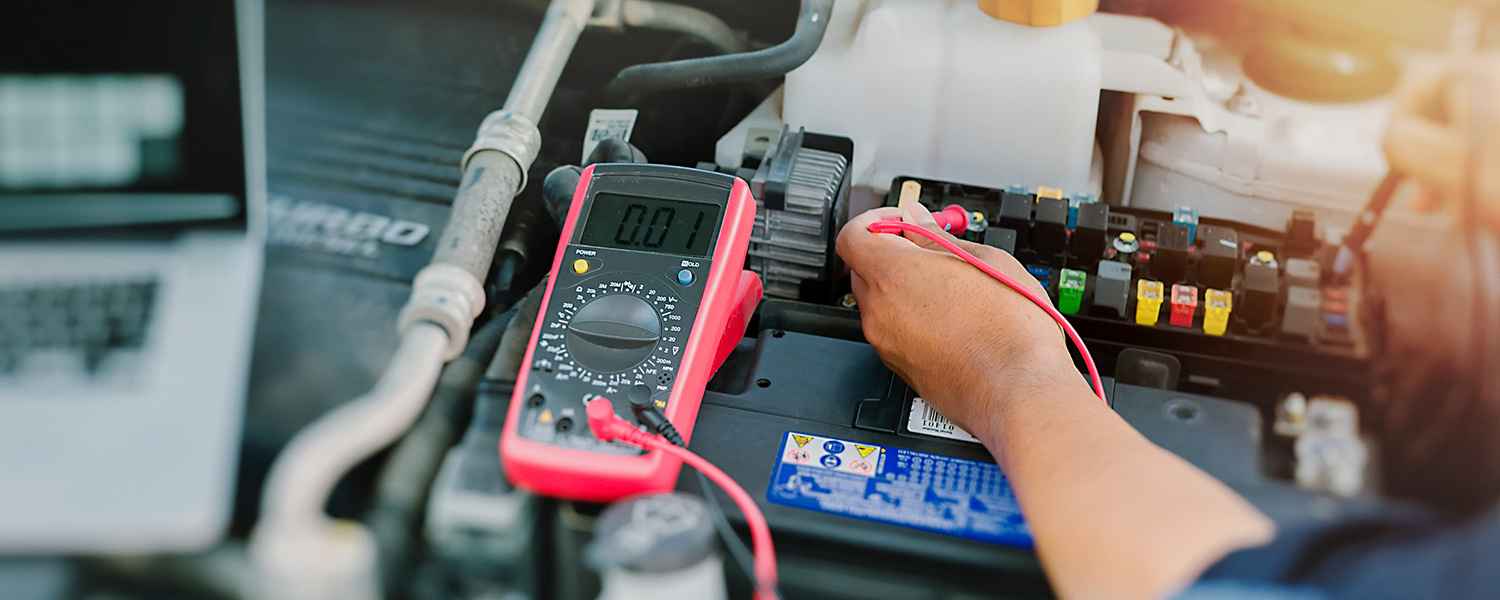
A supported computer diagnostic check can record codes and help compare requested and actual movement. Physical and electrical checks are still needed where the finding calls for them.
Record the affected door, vent, seat or system and the conditions when it fails. Note intermittent behavior and previous repairs.
Inspect relevant fuses, grounds, connectors and wiring using the vehicle procedure. Voltage alone may not establish that the circuit works correctly under load.
Assess accessible linkages, gears, hinges or flap movement as appropriate. A blockage or excessive resistance can mimic an electrical failure.
Identify whether the result supports a component replacement, a circuit repair or further investigation. An engine-control fault belongs to ECU and ECM diagnosis only when the evidence points there.
A sensor reports a condition or position. An actuator carries out a command. A missing or implausible signal can affect movement even when the motor is serviceable. Some assemblies contain both the motor and its position sensor, so the correct repair depends on the design and test result.
Ask whether the requested movement, actual response and available feedback agree. HELLA explains why both sides of the control system need checking. The actuator and sensor are not interchangeable repair descriptions.
An actuator can work during a short visit and still have an intermittent fault. A safe recording and a clear history help guide further testing.
The test result determines whether the job needs a circuit repair, one actuator or a larger assembly. Ask what failed and what the proposed work will restore.
A motor or gear repair is considered only when the design, suitable parts and verification method make it appropriate. A seized mechanism must be addressed to avoid repeat work.
AC actuator and heater actuator can describe the same air-mixing motor. The quote should name its position and function. Two charges require two separately confirmed failed components.
Compare the complete fitted job. Removal, required setup and checks of the repaired function matter alongside the price of the part.
Access may involve a door panel, glovebox or lower dashboard trim. A jammed door, fragile fittings or full dashboard removal can change the job substantially.
Some actuators need initialization, an end-position relearn or a basic setting. Others need no electronic setup. Coding is not an automatic charge for every replacement.
Turbo units can require specialist matching and calibration beyond a scan-tool reset. Confirm the required procedure before ordering. Clearing codes alone does not repair a fault.
An accessible door actuator may take around one to two hours after diagnosis and parts confirmation. Dismantling, ordered parts, calibration and further faults can extend the visit. Confirm collection after assessment.
The invoice should identify the fitted component and agreed work. Ask which setup and function checks were completed, whether a fault remains and what warranty covers the repair. Report a recurring symptom with the conditions that trigger it.
Do not drive with an insecure closure. Arrange assistance. Keep hands clear of powered mechanisms and do not rely on repeated operation to make them hold.
Do not drive if you cannot maintain a clear windshield or if braking, steering or drivetrain control is compromised. Follow the warning and handbook instructions and discuss recovery.
An isolated comfort issue may allow a planned inspection, depending on the vehicle. Avoid forcing a stuck flap or lock. Call with the exact symptom so the next step can be discussed.
Similar housings can contain different travel limits, gearing, electronics or feedback arrangements. Confirm compatibility before buying a replacement.

Send the VIN privately when needed to identify the correct part.
Use the model, year, engine or VIN where needed. Left and right doors, front and rear positions and climate zones can use different parts.
Identify the manufacturer, part number and whether the unit is new genuine, a compatible branded alternative or an assessed repair. Confirm availability.
Include required clips, seals, linkage adjustment and any relearn or calibration. Ask how correct movement will be verified.
Confirm parts and labor warranty terms for the agreed work. A used unit or a customer-supplied part can have different responsibilities and coverage.
Clear answers about the work, cost and next step for your car.
Sometimes. A wiring, connection or linkage fault may be repairable without changing a working actuator. An internal motor or gear repair depends on the assembly and available parts. A sealed or damaged unit can require replacement. The diagnosis should explain the choice.
No. A code can relate to power supply, wiring, an implausible position or restricted movement. The relevant circuit and mechanism need checks before the named component is condemned.
No. A flap motor or damaged gear is one possibility, but the location and operating conditions matter. Changing temperature, vent direction and recirculation operates different functions. Describe which setting triggers the sound.
Yes, when the failure is confined to that door and the actuator is separately serviceable. If several locks stop working together, a shared power, control or wiring problem may need investigation first.
No. Setup depends on the vehicle and component. Some need a relearn or basic setting, while a turbo actuator may need specialist matching. Ask which operation is required and included in your quote.
There is no single replacement interval for all car actuators. Follow the vehicle schedule and investigate a confirmed fault or affected function. Replacing every actuator together is not a routine maintenance requirement.
Send the make, model, year, affected function and any warning or scan report. A short video recorded safely while stationary may help with an intermittent noise. Share the VIN privately with the workshop if needed for parts matching.
Keep the scan report and fault information if you have them. Clearing codes can remove useful evidence without repairing the problem. Tell the workshop about battery disconnection or earlier reset attempts, and let the diagnosis establish whether a reset or relearn is appropriate.
No. The actuator moves the locking mechanism, while the key or remote sends an access command through the vehicle’s control system. Compare the affected door and available controls first. A locking fault does not automatically require a new key or key programming.
The published guides are AED 300–500 for a conventional door-lock actuator, AED 400–600 for a climate-flap actuator and AED 800–1,200 for a suitable turbo actuator. These are not universal fitted packages. Confirm the exact assembly, diagnosis, access, labor, required setup and VAT in the written quote. A complete turbocharger or difficult dashboard removal can fall outside these ranges.
Tell us what will not move, lock or respond. We’ll help arrange the right inspection, explain the finding and provide a written repair estimate before you approve the work.
You do not need to order a part before contacting us.
+971 50 608 7150
Ask about availability, diagnostic charges and suitable pickup or recovery arrangements.