Mon to Sat, 9:00 AM to 7:00 PM Car repair, service and body shop in Al Quoz, Dubai +971 50 608 7150

Cooling system care · Al Quoz

Car Radiator Repair
in Dubai

Losing coolant or seeing the temperature rise? Mechanics checks the source before recommending radiator repair or replacement, then quotes the work needed to restore reliable cooling.

Free initial inspectionRepair or replacement optionsWritten quote before work
Free initial inspection and a written repair quoteSee vehicle-specific replacement examples below, with parts, fitting and VAT explained.
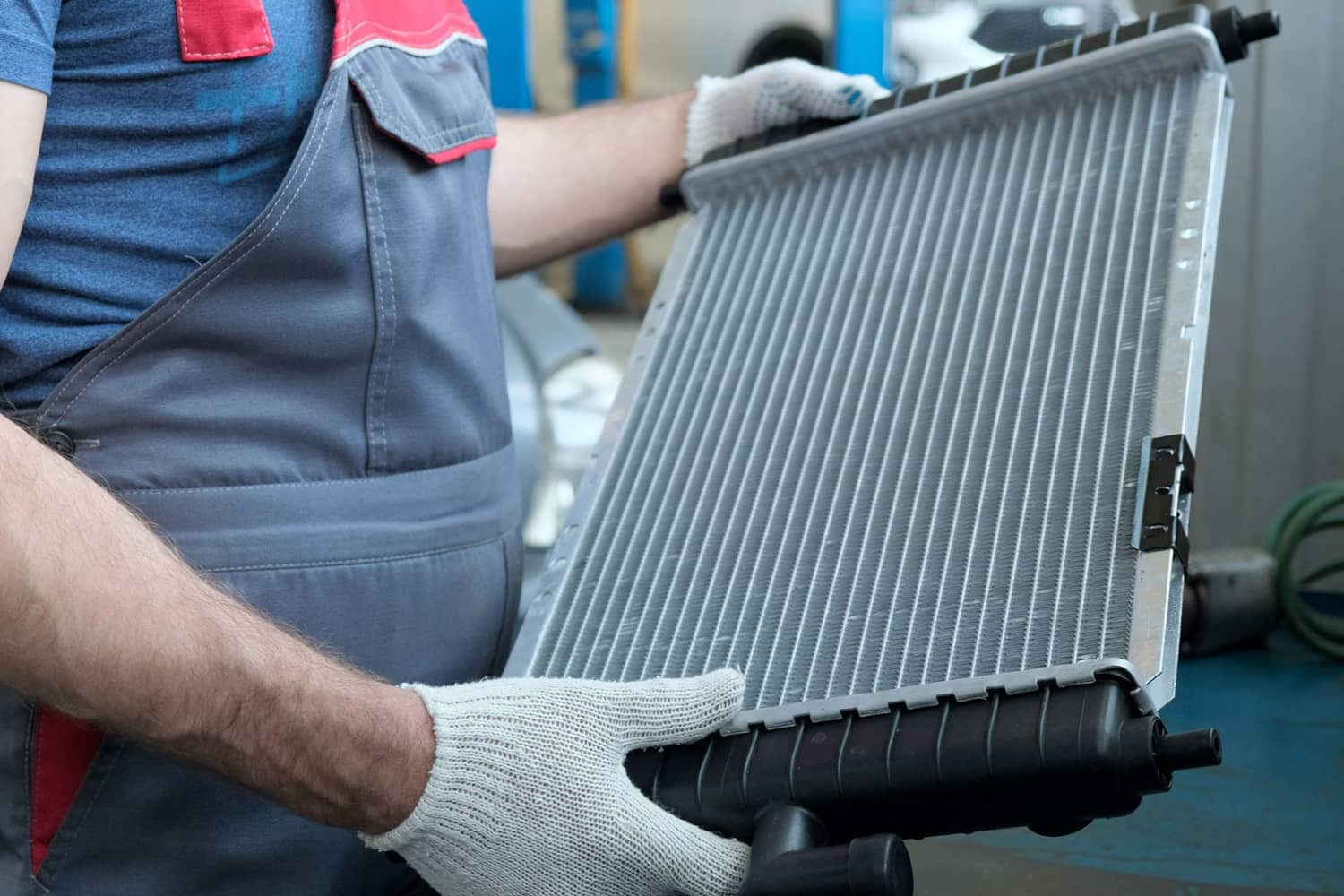
Technician holding a car radiator for inspection or replacement
The radiator choice depends on the leak, core condition and vehicle specification.

Make the right repair decision

Can the radiator be repaired?

Sometimes. The leak location, construction and condition determine whether a lasting repair is practical. A pressure test helps distinguish a radiator fault from a hose, cap or other cooling-system leak.

A repair may be suitable

Localized fault, sound radiator

An accessible, repairable defect may justify a specialist repair if the rest of the unit is serviceable and it can pass the appropriate checks.

  • Confirm whether the leak is actually at a hose, connector or cap.
  • Assess the core and tank material before proposing welding or rebuilding.
  • Compare removal, repair and refitting costs with a replacement.

Replacement may be better

Cracked, weakened or blocked unit

A cracked plastic tank, deteriorated tank-to-core joint, widespread corrosion or a damaged core can make replacement the more dependable choice.

  • Match the new unit to the vehicle and fitted cooling equipment.
  • Check what caused the damage so the same problem is addressed.
  • Include refill, bleeding and the relevant final tests in the plan.

Where the leak is matters

Four radiator areas that change the repair

01

Tank and seam

A split plastic tank or deteriorated tank-to-core seal needs an assessment of the whole assembly. A surface patch may not resolve weakened material. A serviceable specialist rebuild or complete replacement must suit the construction.

02

Core and tubes

A localized impact is different from widespread corrosion or several leaking tubes. The remaining core condition, available repair method and ability to pass suitable checks determine whether repair is worthwhile.

03

Neck and connections

A hose, connector seal or drain fitting can leak beside a sound radiator. The connection is inspected for cracking or damage before deciding whether the small part or the radiator assembly needs replacement.

04

Fins and airflow

Bent fins and trapped debris can reduce airflow without leaking coolant. The cooling pack needs careful assessment and suitable cleaning. A damaged AC condenser in front of the radiator is a different component with a separate repair scope.

Plan the repair budget

Radiator repair and replacement prices in Dubai

A radiator price depends on the vehicle, part and access. The examples below are researched Dubai planning estimates for the stated applications, including 5% VAT. They are not fixed Mechanics prices or a price range for every car.

Mercedes radiator replacement

Radiator, routine fitting parts, labor, specified coolant and checks
AED 1,150–3,200

BMW 328i radiator replacement

Radiator, removal and fitting, coolant refill and bleeding
AED 1,995–2,940

Mercedes hose or connector repair

External part, routine labor, coolant correction and leak check. This is not radiator replacement.
AED 350–950

These examples cover the stated repair scope and VAT. Separate diagnosis, unusual access, extra hoses, caps, thermostat or pump work, contamination, recovery and engine damage are excluded unless listed. Genuine-only parts and different engine or cooling packages can put a vehicle outside these bands. All other makes and models receive a vehicle-specific quote.

Repair, rebuild or replacement?

The free initial inspection is the starting point. Paid pressure testing, removal and further investigation are agreed separately. A repair or rebuild total is only meaningful once the material, leak and method are known. Where both repair and replacement are practical, compare their complete totals, expected turnaround and written warranty terms.

Find what has failed

A hot engine does not always need a radiator

Coolant loss, poor circulation and insufficient airflow can produce similar symptoms. We check the relevant system before choosing a component.

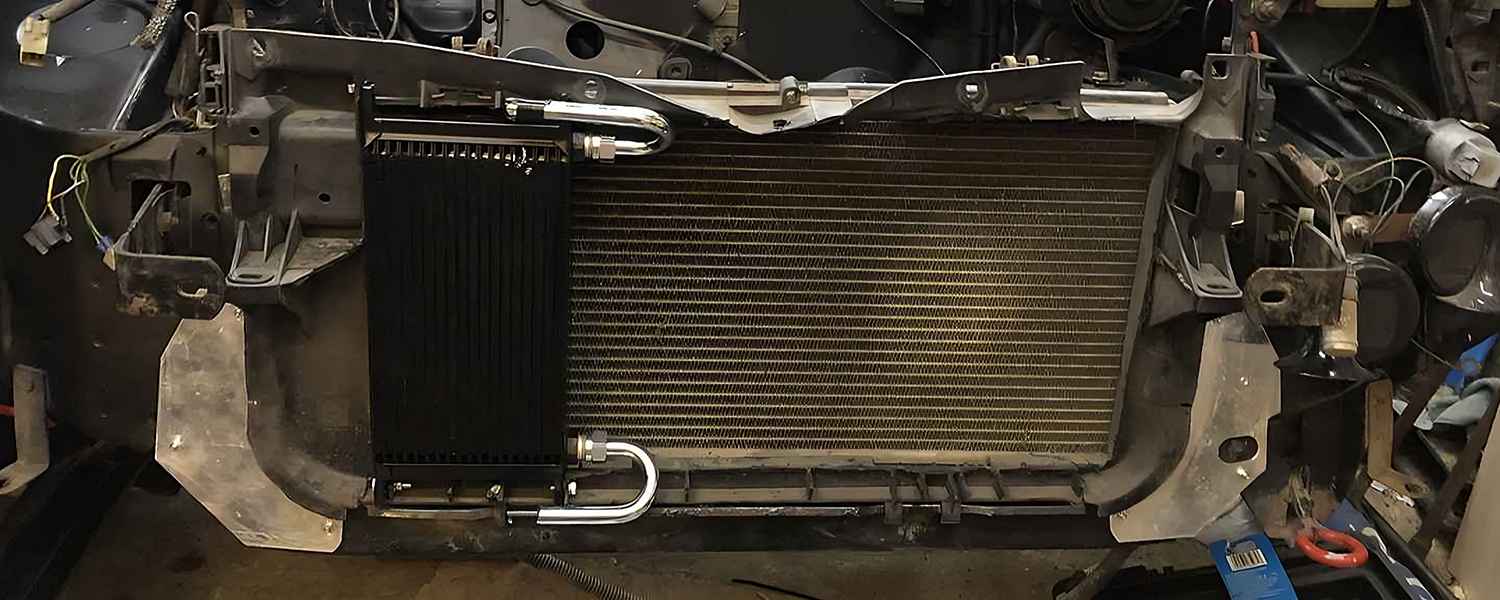
Front cooling pack exposed with the vehicle bumper removed
The front cooling pack contains more than the radiator. Access and the failed component affect the work.
01

Coolant loss or residue

Trace the leak across the radiator, tanks, hoses and joints. Fluid can travel before it reaches the ground, so a puddle does not identify the part.

02

Temperature rises in traffic

Check fan operation, controls and airflow as well as coolant level and circulation. Our radiator fan not working guide explains why the fan deserves its own checks.

03

Debris or damaged fins

Inspect the cooling pack for obstruction and physical damage. Cleaning must suit the component. Close-range high-pressure washing can damage fins.

04

Overheating with no clear external leak

Assess circulation, thermostat, pump and other possible causes. Evidence of an internal leak or overheating damage may require separate engine investigation.

Different checks answer different questions

Leak testing is only part of cooling diagnosis

A pressure test helps find a leak. It does not by itself prove that coolant circulates correctly or that the radiator can shed enough heat. The symptoms determine which additional checks are appropriate.

Pressure and cap condition

Test the system and cap as appropriate for the vehicle, using the specified limits and safe conditions. Inspect the radiator, hoses, tank and connections for evidence. A leak that appears only hot or intermittently may require further observation.

Circulation and heat transfer

Assess temperature behavior, thermostat operation, pump function and possible restrictions. Uneven cooling or slow circulation is a clue, not a standalone verdict that the radiator is blocked. The findings should distinguish a radiator fault from a pump or thermostat problem.

Fan response and airflow

Check relevant fan operation, controls and obstructions around the cooling pack. Temperature rising mainly in slow traffic makes this especially useful. The AC condenser and radiator share airflow, so debris or damage between components also matters.

Contamination or internal loss

Oil in coolant, repeated unexplained coolant loss or unusual pressure behavior may call for separate tests. Depending on the vehicle, an oil cooler, an integrated transmission cooler or an engine fault can be involved. Appearance alone does not confirm a head gasket failure.

Repair, refill and verify

What the radiator work involves

The job is complete when the agreed repair has been checked under the relevant conditions, not simply when a new radiator is fitted.

01 · FIND

Locate the fault

Inspect the cold system, assess leak evidence and use suitable pressure or operating checks. Agree further investigation if the cause is unclear.

02 · AGREE

Confirm the total

Identify the repair method or replacement, part choice, coolant and related work. Check availability and workshop timing before approval.

03 · FIT

Follow the vehicle procedure

Drain and handle the coolant safely, remove the necessary components, and install the agreed parts with the required seals and fixings.

04 · VERIFY

Check cooling performance

Refill and bleed correctly, check for leaks, monitor temperature and fan response, and recheck the level after the system settles.

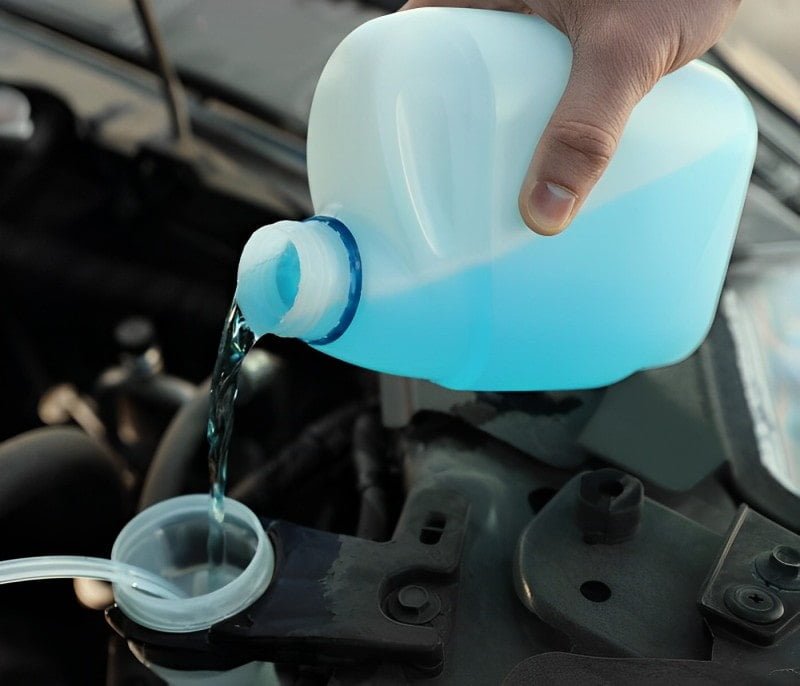
Coolant being poured through a funnel at a car radiator filler
Fluid specification and the correct fill procedure matter after radiator work.

The fluid is part of the repair

Use the specified coolant

Coolant color alone does not confirm compatibility. The required approval, mixture and refill method depend on the vehicle. Tell us if water, mixed coolant or a stop-leak product has been added.

Some sealants and deposits can restrict flow. A coolant change or flush may be included when contamination or the repair procedure calls for it.

Replacement can involve several hours of workshop time. Cooling down, difficult access, contamination, further faults and parts availability can extend the visit. Timing is confirmed with the repair plan.

Before collection and after the visit

Keep the repair working as intended

Collection timing should allow for the appropriate refill, bleeding, leak checks and temperature assessment. Difficult access, cooling down, a backordered part or contamination can extend the visit. Ask for a completion estimate once those conditions are known.

If the engine overheated before arrival, discuss whether further engine checks are needed. Fitting a radiator addresses the agreed radiator fault, but it does not automatically resolve damage from an earlier overheating event.

Repeated coolant loss needs another check

Tell us if the cold level keeps falling, the warning returns or a new leak appears. Do not treat repeated topping up as normal after a repair. For a leak outside the radiator, see our coolant leak repair service.

At handover

Know what was replaced

Keep the itemized scope, supplied part details, coolant specification and written warranty terms. Confirm whether any separate fault or recommended follow-up remains.

When checking the level

Follow the cold-check procedure

Use the vehicle handbook and the correct reservoir marks. Check only when the system is cool enough for the specified procedure. Never release a hot pressure cap or mix in an unknown coolant.

If the temperature rises again

Stop and get advice

A red warning, steam or rapid coolant loss needs a safe stop and assistance. Do not keep restarting an overheating engine to see whether the new radiator works.

Fit the right radiator

Match more than the make and model

Two radiators that look similar can have different connections, dimensions and cooling arrangements. Send the VIN when requesting a quote.

Compare the named part and included work. A used radiator has a previous service history that may be unknown, so condition and suitable testing matter. A rebuilt unit is only an option when its construction supports a viable repair. Ask for the applicable parts and workmanship warranty in writing before approving the job.

Engine and transmission

Engine version, gearbox and any integrated fluid cooler affect compatibility and the connection layout.

Vehicle specification

Model year, chassis details, cooling package and existing modifications must be checked. An import label alone is not enough.

Genuine or compatible part

A genuine part is supplied through the vehicle brand. A compatible aftermarket unit comes from a named manufacturer and must match the required application. Compare the part number, construction, availability and written warranty. The word “OEM” alone does not identify the supplied product.

Seals and surrounding parts

Mounts, hoses, caps and fittings should be assessed on condition. A new radiator does not automatically require a new pump, thermostat or fan. Brittle fittings or damaged mounts found during removal should be explained and approved if they change the quote.

Before you book

Radiator repair questions

Useful answers before you arrange a workshop visit.

Can I drive with a leaking radiator?

Do not continue with a rising temperature warning, steam or rapid coolant loss. Stop safely, switch off and arrange assistance. Even a smaller recurring leak needs assessment. A top-up does not repair the source.

Can a plastic radiator tank be repaired?

Repairability depends on the design and condition. Age-related cracking or a failed tank-to-core joint often favors replacement. The proposed repair must be suitable for the material and able to pass the relevant pressure and operating checks.

Do you rebuild every type of radiator?

No. Rebuilding is only considered where the construction, available parts and specialist repair method make it practical. Many modern aluminum-core radiators with plastic tanks are better replaced when the structure has deteriorated.

Will radiator stop-leak solve the problem?

A sealant is not a substitute for locating and repairing the fault. Some products can leave deposits or obstruct narrow passages. Tell the workshop what has already been added so the repair and cleaning plan can account for it.

Does radiator replacement include a coolant flush?

It requires the appropriate refill and bleeding procedure. A full flush is a separate decision based on contamination, fluid history and the manufacturer procedure. The written quote states whether it is included.

Why is the temperature still high with a full reservoir?

Coolant level is only one part of cooling performance. A fan fault, thermostat or pump problem, trapped air, a restriction or an internal engine issue may still be present. Avoid repeatedly running an overheating engine to test it.

Is same-day radiator replacement available?

It depends on inspection findings, parts availability and workshop capacity. Ask for the expected completion time after the correct radiator and any related repairs have been confirmed.

Does a leaking radiator always need replacing?

No. A hose, seal or connector near the radiator may be responsible. If the radiator itself leaks, its material, leak location and overall condition determine whether repair is practical. Widespread deterioration or an unsuitable repair method can make replacement the better option.

Will the AC need to be recharged during radiator replacement?

Not automatically. The radiator carries engine coolant and the condenser is part of the AC system. Whether refrigerant handling is needed depends on the vehicle and required access. Any AC work should be identified in the quote rather than assumed to be included.

Can I choose a radiator by size or coolant color?

No. Similar dimensions do not prove that the ports, mounts, cooler connections and cooling package match. Coolant color also does not identify its approval. Use the VIN, correct part specification and manufacturer coolant requirement.

What should I send for an accurate quote?

Send the make, model, year and VIN, plus the warning shown and whether coolant is being lost. Photos of an existing leak or residue help, but never open a hot coolant cap to take one.
Protect the cooling system

Get the leak checked.
Get the repair priced.

Contact Mechanics in Al Quoz with your vehicle details. We will help arrange the initial inspection and a written quote for the work your car needs.

Vehicle-specific partsWritten repair totalPickup by arrangement
Start with your vehicle details

Make and model · Year · VIN
Coolant loss · Warning or temperature change

Tell us if the car is overheating so arrival or recovery can be discussed safely. Pickup availability and charges are confirmed when arranging the visit.

Call WhatsApp quote
Scroll to Top