Find the fault first
A warning can involve a circuit, connector, clock spring, sensor, control unit or occupant-detection system. Diagnose the affected system before ordering an airbag.
See what diagnosis involvesAirbag deployed or the SRS light staying on? Mechanics checks the restraint system, identifies the required work and provides a written quote for diagnosis or replacement. Know which parts are needed before approving the repair.
Replacement guide AED 1,500–4,000 per airbag
Parts and labor guidance for many standard vehicles. Luxury applications and related collision repairs can cost more. Confirm VAT and the complete fitted total.
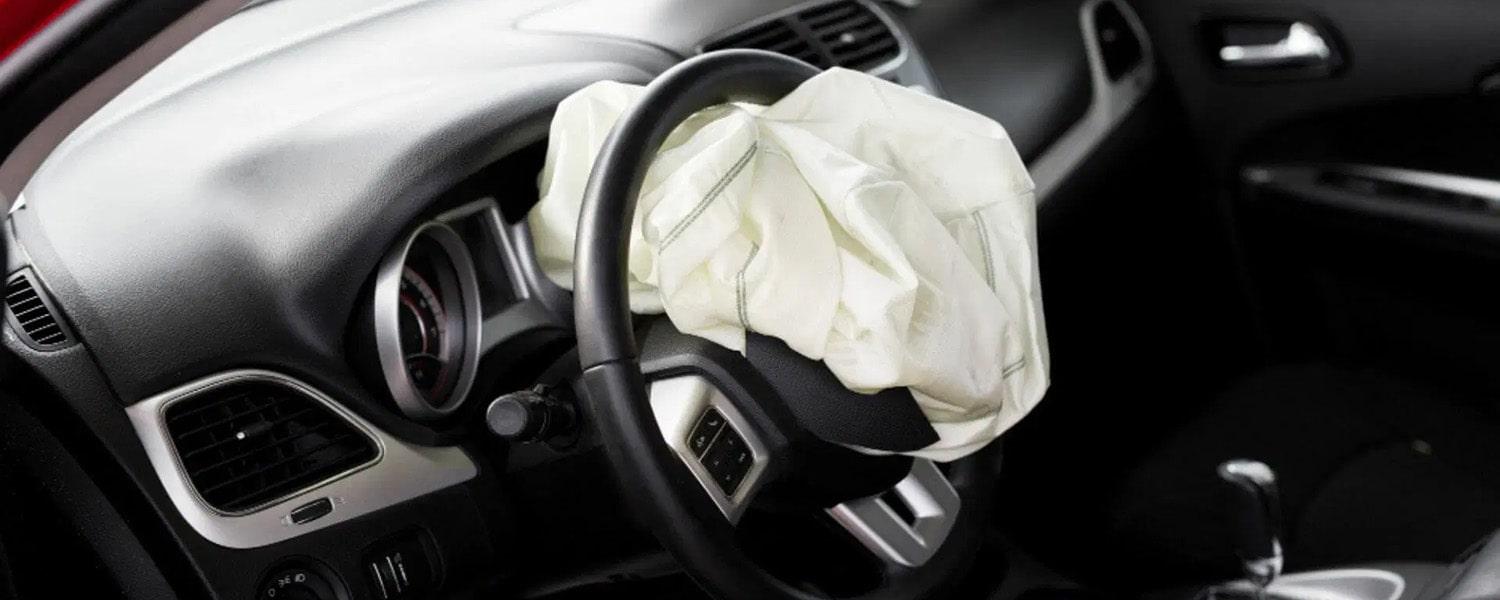
The supplemental restraint system, or SRS, includes airbags, pretensioners and their control components. An SRS warning identifies a system concern, not a ready-made parts list.
A warning can involve a circuit, connector, clock spring, sensor, control unit or occupant-detection system. Diagnose the affected system before ordering an airbag.
See what diagnosis involvesA deployed airbag is a one-use component. Replacement must be considered with the vehicle maker’s checks for belts, pretensioners, sensors, trim and other affected parts.
Understand the collision checksYour vehicle identification number, or VIN, helps the dealer check recall records. A recall remedy and an unknown previous collision repair are different issues. Confirm an open campaign with the manufacturer’s authorized dealer before arranging a separate paid repair.
Check the next stepDo not continue driving with deployed airbags or damaged restraints. Contact the workshop about recovery and assessment. For a warning without a crash, seek prompt advice and follow the vehicle handbook. Do not assume the airbags will operate normally.
Price depends on the exact airbag, access and the other items the repair procedure requires. The cost of one airbag is not the cost of restoring every restraint after a collision.
A planning range for replacement of an individual airbag. Confirm the selected part, removal, fitting and checks in the vehicle-specific quote.
Some assemblies and access requirements cost more. This is guidance, not a maximum or a fixed package for every premium vehicle.
Confirm whether VAT is included in your quote and approve the final written total before work. Parts availability and the actual findings determine the quote.
| Work being quoted | What to confirm |
|---|---|
| SRS warning diagnosis | Scan, fault investigation and any required access. Detailed diagnosis is separate from the free initial inspection and from replacement parts. |
| Airbag replacement | Exact assembly, genuine part source, installation, necessary fasteners and the checks included. |
| Related restraint components | Belts, pretensioners, sensors, clock spring or control unit only where diagnosis or the collision procedure requires them. |
| Additional restoration | Dashboard, seats, headliner, wiring or body damage itemized separately. Required coding and calibration should be identified. |
Send the make, model, year and any warning message to discuss the likely inspection. Photos can help show damage, but they cannot confirm hidden restraint faults or a complete collision-repair price.
A diagnostic code helps direct the inspection. It does not, on its own, prove that the component named in the code must be replaced.
Share whether the light stays on, flashes, appears intermittently or fails to illuminate during the normal startup check. Mention recent seat removal, steering work, battery trouble, water entry or an accident.
An SRS-capable diagnostic check is needed. A basic engine-code reader may not communicate with the restraint control unit. For several unrelated warnings, a wider car computer diagnostic check may also be appropriate.
Do not unplug seat connectors, probe airbag wiring or repeatedly clear codes as a trial repair. The relevant safety procedure and test equipment depend on the vehicle.
Record the warning and arrange diagnosis. Available protection can be affected even when the engine starts and the car feels normal.
Check the handbook’s expected sequence. A missing self-check lamp can also need investigation, especially on a car with an uncertain repair history.
This can be an operating status rather than a system fault. It depends on the vehicle’s passenger sensing or deactivation arrangement. If it conflicts with the handbook or an occupied seat, arrange a check.
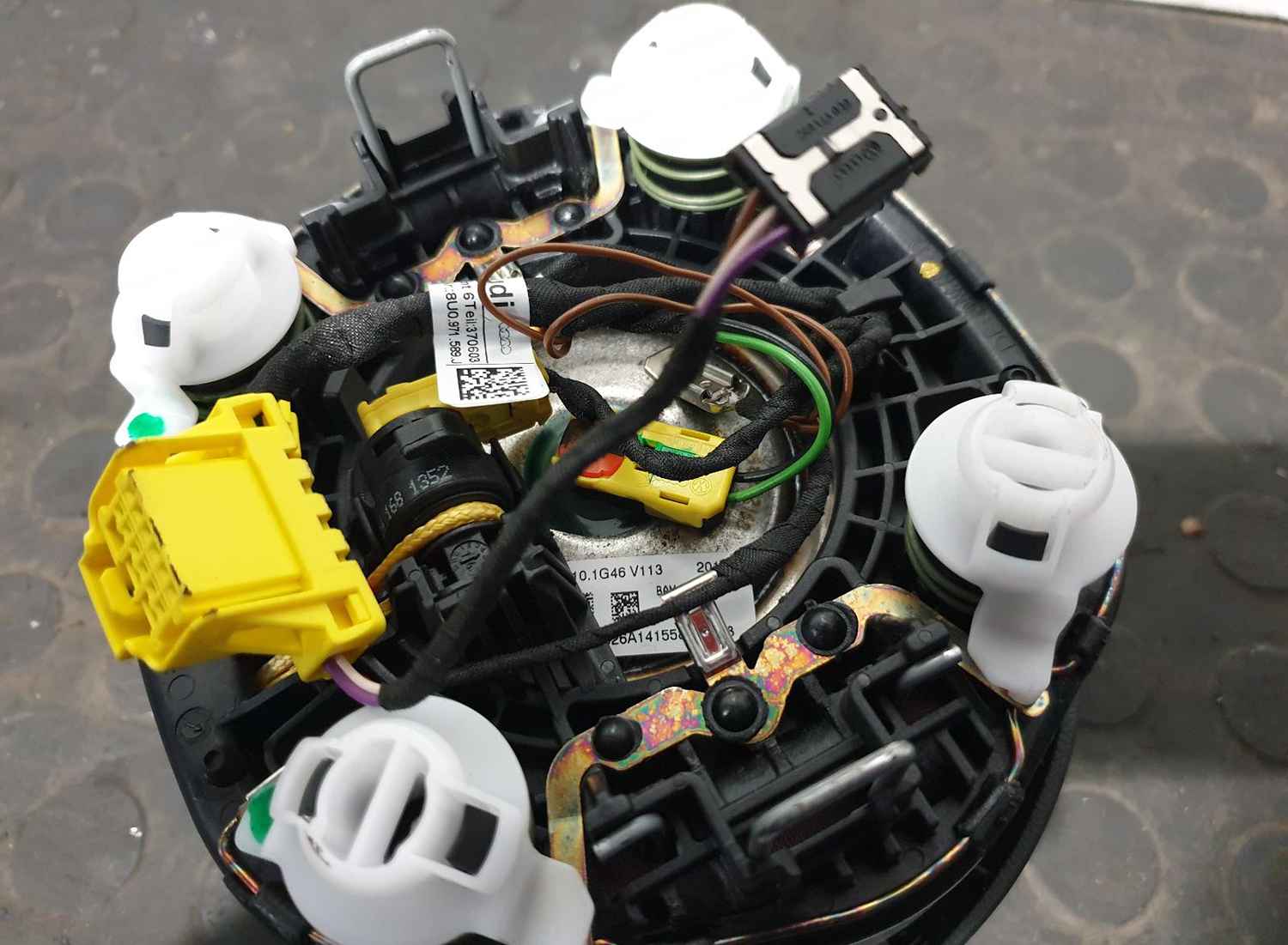
An intermittent fault may need more than one observation. Ask what has been confirmed before approving a replacement based only on a stored code.
Driver, passenger, side and curtain airbags are different assemblies. Equipment varies by model and market. Identify each affected position before comparing quotes, rather than treating every airbag as the same replacement part.
The driver airbag is commonly fitted in the steering wheel. A passenger front airbag can involve dashboard access and model-specific requirements for the cover, mounts or instrument panel. Some vehicles also have knee airbags below the dashboard.
A quote should identify the exact assembly and any required surrounding parts. Replacing one front airbag does not automatically include every damaged dashboard component.
A seat-mounted side airbag can affect the seat cover, deployment seam and related seat components. Curtain airbags are fitted along the roof area and can require access behind the headliner and pillar trim.
Where roof trim is affected, discuss the required replacement parts alongside the roof lining and headliner work. Cosmetic recovering must not conceal deployment damage or interfere with an airbag opening. The manufacturer’s repair requirements determine what can be reused.
Send photos of visible damage without removing covers or trim. The workshop still needs the vehicle details and an inspection to confirm concealed components and the complete repair.
Collision work follows the repair information for the exact vehicle and deployment. Not every sensor is automatically replaced, and not every undamaged-looking part can automatically be reused.
| Area | What the assessment must establish |
|---|---|
| Airbags and their mountings | Which airbags deployed, which assemblies require replacement and whether mounting areas or surrounding structures are damaged. |
| Belts and pretensioners | Deployment, damage and the vehicle maker’s replacement requirements for occupied seats, buckles, anchors and related parts. Arrange seat belt assessment and replacement where required. |
| Sensors and control unit | Required inspections and mandatory replacement decisions for that model. A general “reset” offer does not override the manufacturer’s procedure. |
| Steering, seats and interior panels | Whether a steering wheel, column, seat assembly, dashboard or headliner must be repaired or replaced as part of the collision work. |
A torn dashboard cover cannot simply be filled or covered and treated as a restored airbag system. Deployment areas, seams and mountings must follow the correct repair requirements.
Our dashboard repair service covers assessed interior work. Airbag-related parts and procedures need their own clearly stated repair decision.
Body and mounting damage can need correction before restraint components are fitted. Confirm the inspection findings, parts order and any additional work before agreeing on the collection date.
For an insurance claim, contact your insurer about its authorization and documentation requirements before approving the repair. Coverage and payment depend on your policy and claim decision.
“Airbag programming” can describe different tasks. Ask whether the quote covers replacement-module configuration, a required calibration or simply clearing a stored fault.
A replacement control unit or occupant-detection component may require model-specific configuration, initialization or calibration. The requirement must be confirmed for the exact vehicle.
If the manufacturer requires a control unit to be replaced after deployment, clearing crash data is not an alternative to that replacement.
Clearing a code, covering a lamp or fitting a bypass does not replace a missing airbag or repair a failed restraint component. Do not accept a warning-free dashboard as the only evidence of a completed repair.
The handover should identify the installed parts, completed procedures and any remaining concerns. A final scan and normal warning sequence help verify the prescribed work. They do not reproduce a crash or guarantee protection in every future collision.
A VIN recall check and a check of previously fitted parts answer different questions. Bring the vehicle details and any collision or replacement records.
Ask the manufacturer’s authorized dealer to check the VIN before arranging a separate paid replacement.
A recall can apply without an SRS warning. Mechanics’ inspection quote does not confirm an authorized recall remedy.
A clear recall search does not verify an airbag installed during an earlier repair. Ask a qualified technician to assess uncertain records and components.
NHTSA’s replacement-airbag safety guidance explains the limits of VIN checks for certain dangerous replacement inflators. The alert concerns specific equipment, not every used car.
Share the VIN privately with the workshop.
Mechanics offers an initial inspection and written quotation in Al Quoz. Detailed fault investigation, parts and the repair work are agreed for your vehicle.
Review the warning, accident history and visible condition. Decide whether recovery, SRS diagnosis or a collision assessment is the appropriate next step.
Match parts to the vehicle and explain the findings. Confirm access, additional restraint work, VAT, availability and the estimated completion time.
Carry out approved replacement and any permitted associated repairs using the required safety precautions. Discuss new findings before expanding the job.
Complete required setup and diagnostic checks, verify warning-lamp behavior and record the work. Explain any further assessment needed before collection.
An accessible replacement with the correct part available may take a few hours. Diagnosis, ordered parts, several deployments, trim removal or body damage can extend the job. Confirm the schedule after assessment and keep the invoice, parts details and any applicable warranty terms.
The badge and shape of the cover are only a starting point. Confirm the exact assembly, its source and the work needed to fit it.
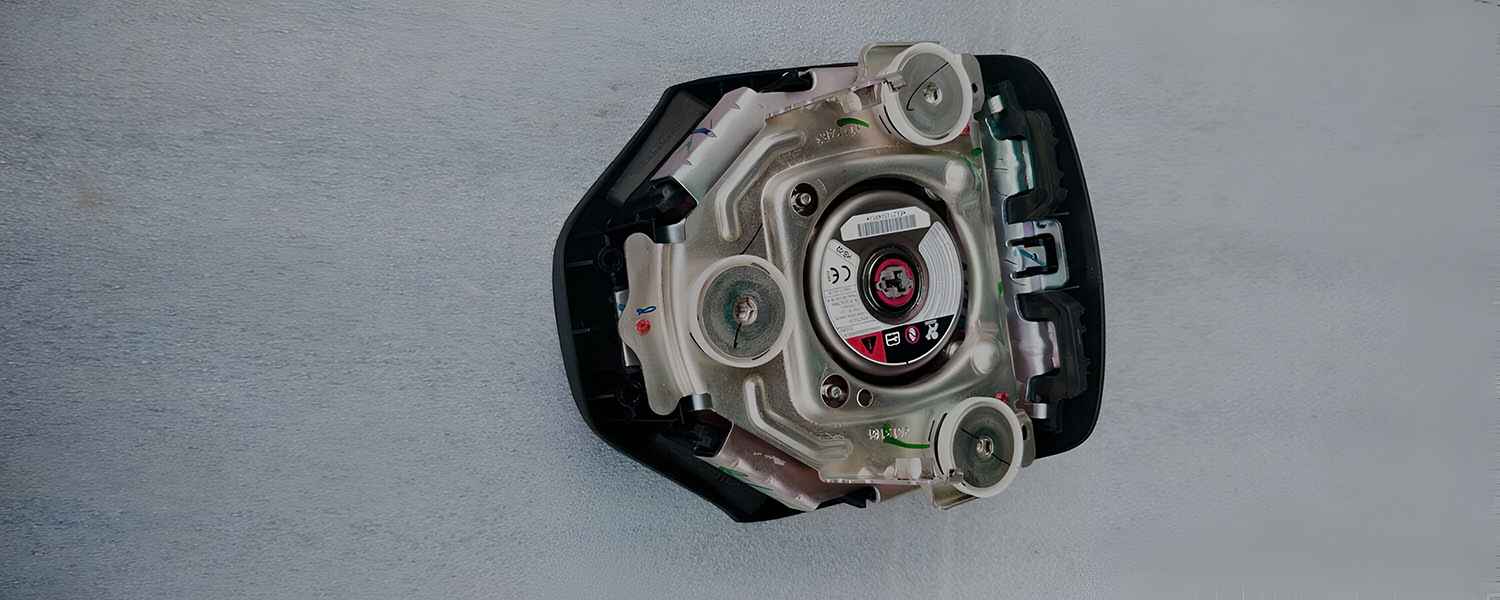
The housing or connector alone does not establish compatibility or a safe replacement history.
Match the VIN, production specification and the position of the airbag.
Check the correct part number and application for that restraint system.
Confirm new genuine replacement parts from a traceable supplier and check availability.
Identify any additional components, fitting requirements and vehicle-specific setup in the quote.
Avoid unknown-origin or counterfeit components. The purchase decision needs to account for compatibility and history as well as price.
Ask the workshop to assess compatibility and provenance before fitting is agreed. Confirm responsibility for supplied parts and the applicable warranty.
Clear answers about diagnosis, replacement and the written quote.
No. The fault may involve another part of the restraint system. SRS-capable diagnosis and the appropriate checks should establish the cause before an airbag is quoted.
The guide is AED 1,500–4,000 per airbag including parts and labor for many standard vehicles. Some luxury applications are around AED 5,000–7,000 or more. Confirm VAT, exact inclusions and any related collision repairs in a written quote.
No. It must be replaced. The manufacturer’s collision procedure also determines what else must be inspected or replaced. Replacing the visible cover or clearing a warning cannot restore a deployed airbag.
Do not assume the restraint system will protect you normally. Seek prompt advice and follow the handbook. After deployment, with damaged restraints or under a do-not-drive recall instruction, arrange recovery instead of driving to the workshop.
Only the repair procedure for the exact vehicle can determine whether a module is reusable and what setup is allowed. A module that must be replaced after deployment should not be offered a crash-data reset as a substitute.
Not automatically. The quote should list the airbag, belts or pretensioners, trim, control unit, sensors, required setup and any additional work individually. A per-airbag guide is not a complete collision-repair package.
The estimate follows inspection and a parts-availability check. One accessible replacement is different from diagnosis, several deployed restraints or body and interior damage. Confirm the schedule before arranging drop-off.
Deployment depends on the impact and the system design. Not every collision calls for every airbag to deploy. The vehicle needs a collision assessment before concluding that a particular airbag failed.
Follow the service instructions and recall information for your exact vehicle. There is no single replacement interval for every airbag design. Deployment, damage, a confirmed fault or a recall can require action.
Send the make, model, year, warning message and a brief accident or repair history. Share the VIN privately with the workshop for part matching. Do not remove covers or disconnect components to take photos.
Tell us what happened and what the warning shows. We’ll help plan the assessment, explain the next step and discuss recovery when the car should not be driven.
+971 50 608 7150
Free initial inspection. Detailed diagnostics and repair work are quoted separately.
Make, model and year
Warning, deployment or damaged restraint
Accident, recent repairs or water entry