AED 500–1,400
One switch with routine fitting
- Switch and operation checks
- Connector condition assessed
- Original lock and key may stay
Complex access, wiring damage, new keys and security modules are additional.
Key will not turn, dashboard power cuts out or the engine will not crank? Mechanics in Al Quoz checks the starting circuit, key recognition and lock assembly to identify what actually needs repair.
Get the fault explained before approving parts. Planning budgets start around AED 315 for key extraction and AED 525 to AED 945 for a straightforward barrel replacement. A separate electrical-switch replacement may need AED 500 to AED 1,400. These estimates include a 5% VAT allowance; coded assemblies need a vehicle-specific quote.
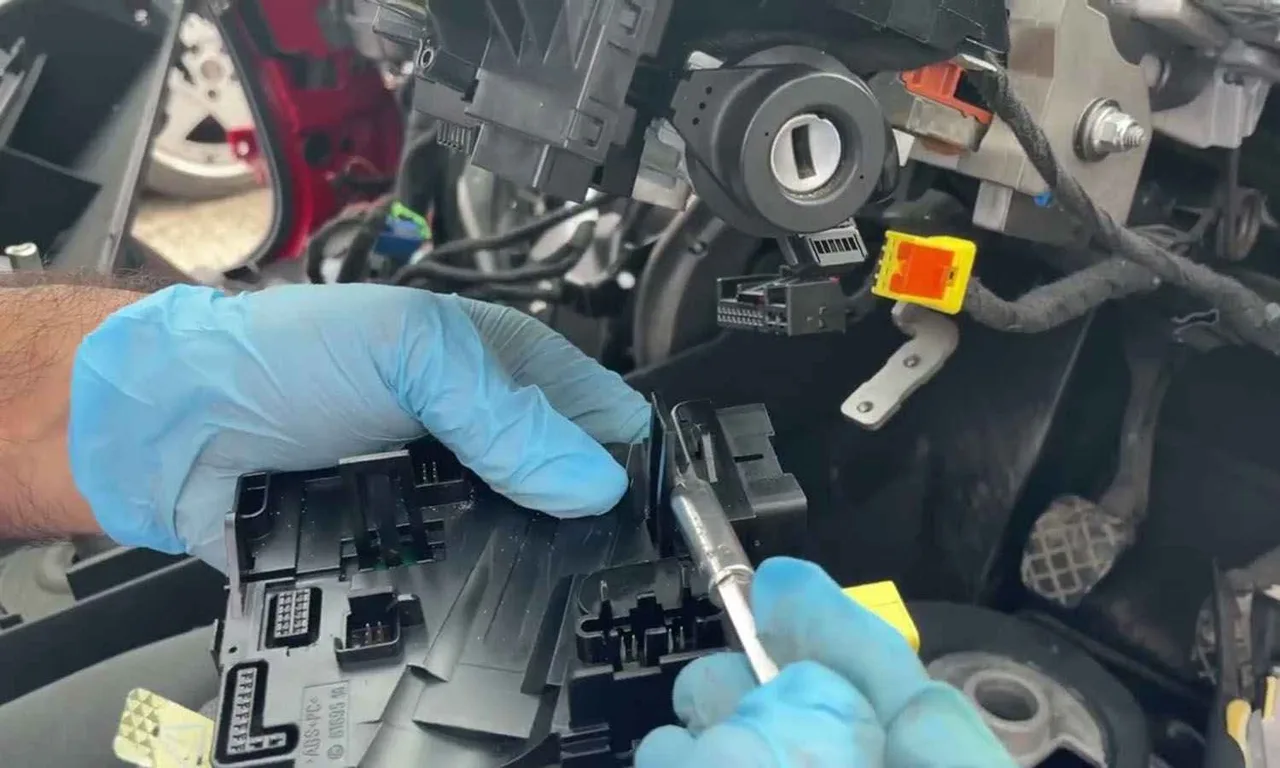
An electrical switch, a key barrel and an electronic start-authorization unit are different jobs. These planning estimates include a 5% VAT allowance; your written quote confirms the actual total.
One switch with routine fitting
Complex access, wiring damage, new keys and security modules are additional.
Extraction of one key
A new key, barrel replacement and programming are separate.
One barrel with routine fitting
Confirm whether key extraction, a replacement key or matching the existing key is included.
Quoted after vehicle identification and diagnosis. Electronic steering locks, authorization modules and keys can cost more. Coding is included only when specified.
Extended fault tracing, damaged wiring, starter repairs, new keys and recovery are separate unless included. Approve additional work before it starts.
Start with your model and the problem. Any extended testing or dismantling charge is explained before approval. The quote states the part, labor, programming, applicable VAT and total. These estimates are not fixed Mechanics prices.
An ignition switch controls electrical functions and the starting request on many vehicles. The lock cylinder is the mechanical part that accepts the key. A push-button car uses a different arrangement, so a no-start symptom alone does not identify the part to replace. Most ignition faults show up in one of the ways listed below, from a key that will not turn to an engine that misfires.
For a closer look at the possible causes, read our guide to why a key gets stuck in the ignition. Persistent sticking or a broken key needs assessment rather than more force.
| What you notice | What needs checking | The useful next step |
|---|---|---|
| Key will not turn | Key wear or damage, steering-lock load and the condition of the lock cylinder. | Stop forcing the key. Tell us whether an undamaged spare behaves differently and whether the steering is locked. |
| Key will not come out | Key damage, lock condition and the vehicle-specific key-release or gear-position interlock. | Follow the handbook shutdown procedure. On an automatic, check that Park is fully selected. Do not force the key or dismantle the column. |
| Lights come on but no crank | Battery condition, connections, start request, gear or pedal interlocks and the starter circuit. | Describe any click and whether the lights dim. A lit dashboard does not rule out a weak battery. |
| Dashboard power is intermittent | Switch contacts, connectors, power supply and grounds, especially when the symptom can be reproduced. | Report which systems lose power and when. Avoid repeated key movement to keep the engine running. |
| Key not detected or start button unresponsive | Vehicle and key batteries, key recognition, start authorization and relevant module faults. | Bring all available keys. Depending on the fault, key fob repair may be the relevant service. |
| Engine cranks but will not start | Start authorization, engine speed signals, fuel delivery and spark where applicable. | Book a no-start diagnosis. Normal cranking does not prove that the ignition switch is faulty. |
| Engine runs but misfires or shakes | Ignition coils, spark plugs and other combustion faults on gasoline engines. | See ignition coil replacement and spark plug replacement. These are separate from the key switch. |
If the engine cuts out, there is smoke or a burning smell around the column, or the starter stays engaged after the engine starts, stop safely and arrange assistance. Do not drive with a steering lock that will not release or keep trying a key that is bending or sticking.
A key that sticks is not the same failure as a switch that loses electrical contact. We assess the mechanical action and the electrical response before recommending the relevant component.
On some cars the parts can be serviced separately. On others, the manufacturer supplies a combined lock, switch or electronic assembly. The vehicle specification determines the practical options.
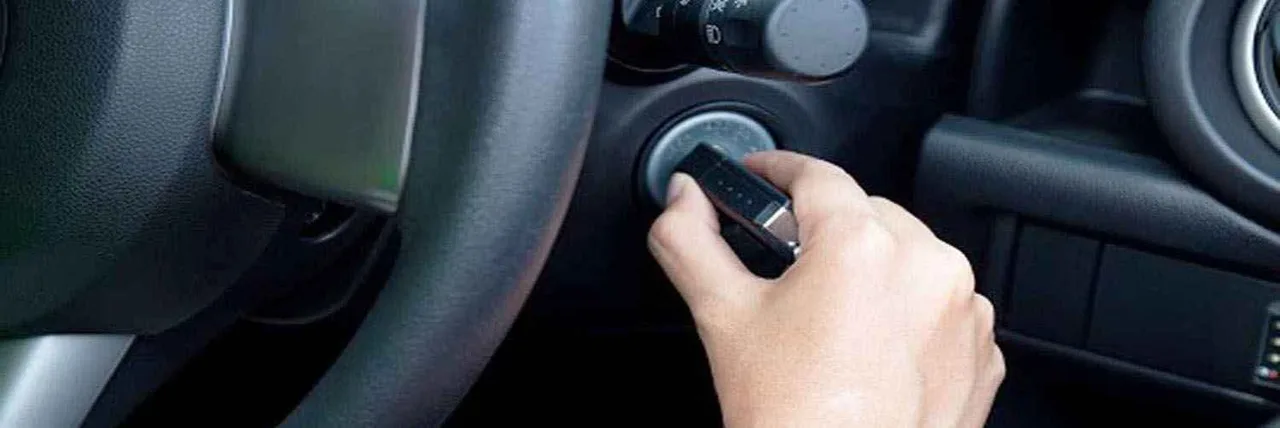
Tell us whether the problem occurs after parking in heat, on the first start, after a battery change or following electrical work.
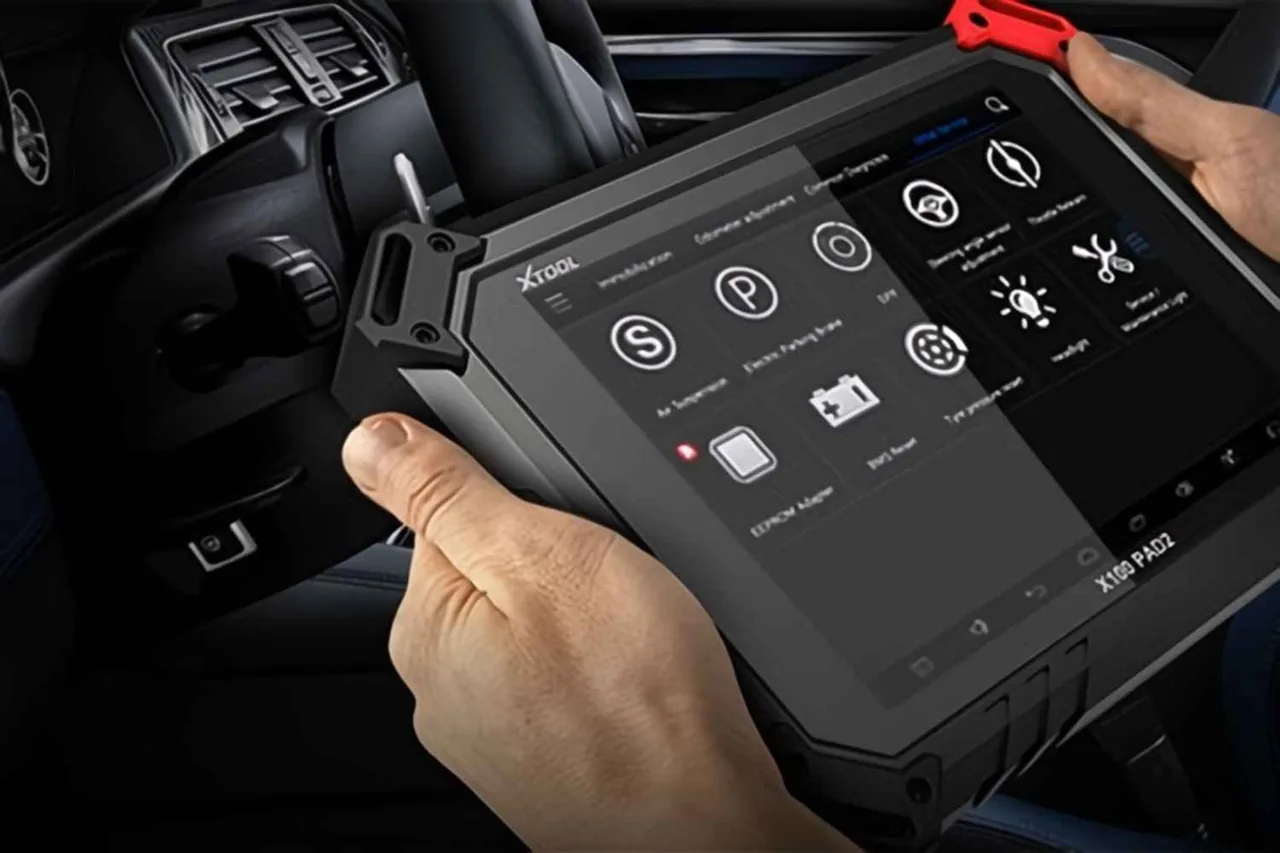
Check key or button behavior, dashboard messages and crank response. Your vehicle details, available keys and previous repairs help separate a key problem from a vehicle fault.
Check battery condition, connections and grounds, then trace the switch, relevant interlocks and starter circuit rather than assuming the switch has failed.
Compare scan data with electrical and mechanical checks where supported. Identify the failed part, fitting, programming and any further tests needed for an intermittent fault.
Check starting, shutdown, key release and affected electrical functions. Review relevant faults. If the symptom cannot be reproduced, agree a follow-up plan instead of assuming it is solved.
The symptom, access and parts availability determine the visit. Confirm the assessment slot and expected collection time with Mechanics.
Bring all available keys so their behavior can be compared.
Mention alarms, remote starters, battery work, electrical repairs or water exposure.
A short video recorded while parked can show a fault that disappears before the visit.
If security programming is needed, ask which ownership documents to bring. If the car cannot start or steer safely, discuss recovery, pickup and charges first.
The inspection should explain why the original part failed and whether another problem needs attention.
Discolored terminals or damaged wiring need assessment alongside the switch. Replacing only the switch can leave a poor connection in place.
Any connector or harness work should appear separately on the quote.
A damaged key may continue to bind in a replacement lock. Bring an undamaged spare if available.
Avoid forcing the key, adding unapproved lubricants or dismantling the column.
A weak battery, poor ground, starter fault or start interlock can cause similar symptoms.
Recent battery work, an aftermarket alarm or water exposure can help direct the checks.
Record when it happens and any dashboard message. A normal start at collection does not prove that an intermittent fault has been resolved.
Agree what was tested and how to report a recurrence.
Follow the vehicle's service information. Investigate stiffness, power interruption or repeated starting trouble instead of replacing a working switch on mileage alone.
Your model and year are enough to start the enquiry. The VIN or part number may be requested later to match the fitted system. Similar-looking switches can have different connectors, mounts or electronic requirements.
Replacing the electrical part may leave the original lock and key in use. Confirm the genuine or compatible part, its condition and written warranty.
If the original key cannot stay, the quote should explain how the replacement works with the ignition and existing door locks. Required programming and key testing must be included when applicable.
Your repair record should distinguish the work completed from any further recommendations.
The installed part, completed work and any programmed keys should be listed.
Check starting, shutdown, key release and affected electrical functions.
If the switch kept the starter engaged, confirm whether the starter and relevant wiring also needed checks.
These illustrative totals include a 5% VAT allowance. They are not completed customer jobs or fixed offers. Your vehicle, parts and access determine the written quote.
These answers cover key-operated switches, ignition barrels and related starting faults. Share the model and symptom when you contact Mechanics so the assessment starts with the correct system.
It depends on the failed part. A localized connection problem may be repairable, while worn or damaged internal switch contacts often require a replacement component. A mechanical barrel fault needs a separate assessment. The quote should identify the fault and explain why the proposed option is suitable.
A separate electrical-switch replacement has an indicative planning budget of AED 500 to AED 1,400 for the switch, routine fitting and operation checks. Key extraction starts around AED 315; a straightforward barrel replacement is around AED 525 to AED 945. These estimates include a 5% VAT allowance. Coded locks, security modules, wiring repairs and new keys are quoted separately. Your car-specific written quote confirms the fitted scope, applicable VAT and total.
Not always. Replacing a separate electrical switch may leave the original lock and key in place. Replacing the barrel or a security-related assembly can change the key or programming requirements. Confirm whether your existing key will still operate both the ignition and the door locks.
Yes, but weak battery connections, a starter fault, worn keys and start-authorization problems can produce similar symptoms. The starting circuit needs testing under the conditions that cause the fault before the switch is condemned.
It may be, but the distinction between no crank and cranking without starting is important. Battery supply, the starter circuit, security authorization and engine-management faults may need checking. Tell us whether the engine turns over and what the dashboard displays.
No. A push-button vehicle uses a start request and authorization system rather than the same keyed switch arrangement. The button, key recognition, power supply and relevant interlocks must be assessed for that model. Replacing the button alone will not resolve every no-start fault.
Do not choose a switch replacement from those symptoms alone. Gasoline-engine misfires can involve spark plugs, ignition coils, fuel delivery or mechanical faults. A running-engine diagnosis should identify the cause. Stop safely and seek assistance for severe shaking or a flashing engine warning light.
Park safely and follow the vehicle handbook for the correct shutdown and gear-selection procedure. Do not force the key or dismantle the steering column. Tell the workshop whether the engine can be switched off, whether the steering is locked and whether the key is visibly damaged.
Call Mechanics in Al Quoz to discuss the vehicle, its location and whether it can steer or roll safely. Confirm recovery or pickup availability and any charge before transport. A car with a locked steering system needs suitable recovery equipment, not an attempt to drive it to the workshop.
Work around the steering column can involve airbags, security components and vehicle-specific electrical procedures. A workshop should identify the fault and follow the applicable repair information. Do not bypass the immobilizer or bridge the starting circuit to test it.
Ask for the written terms for the exact part and work before approval. Confirm parts and labor coverage, any time or mileage limit, exclusions and the process for reporting a repeat fault. Coverage can differ by component and supplier, so no universal warranty period is stated here.
Tell us what happens when you turn the key or press Start, along with the make, model and year. We can arrange an initial assessment and explain what is needed for a written quote.
If the vehicle cuts out or the steering remains locked, discuss safe recovery before bringing it in.