In this guide
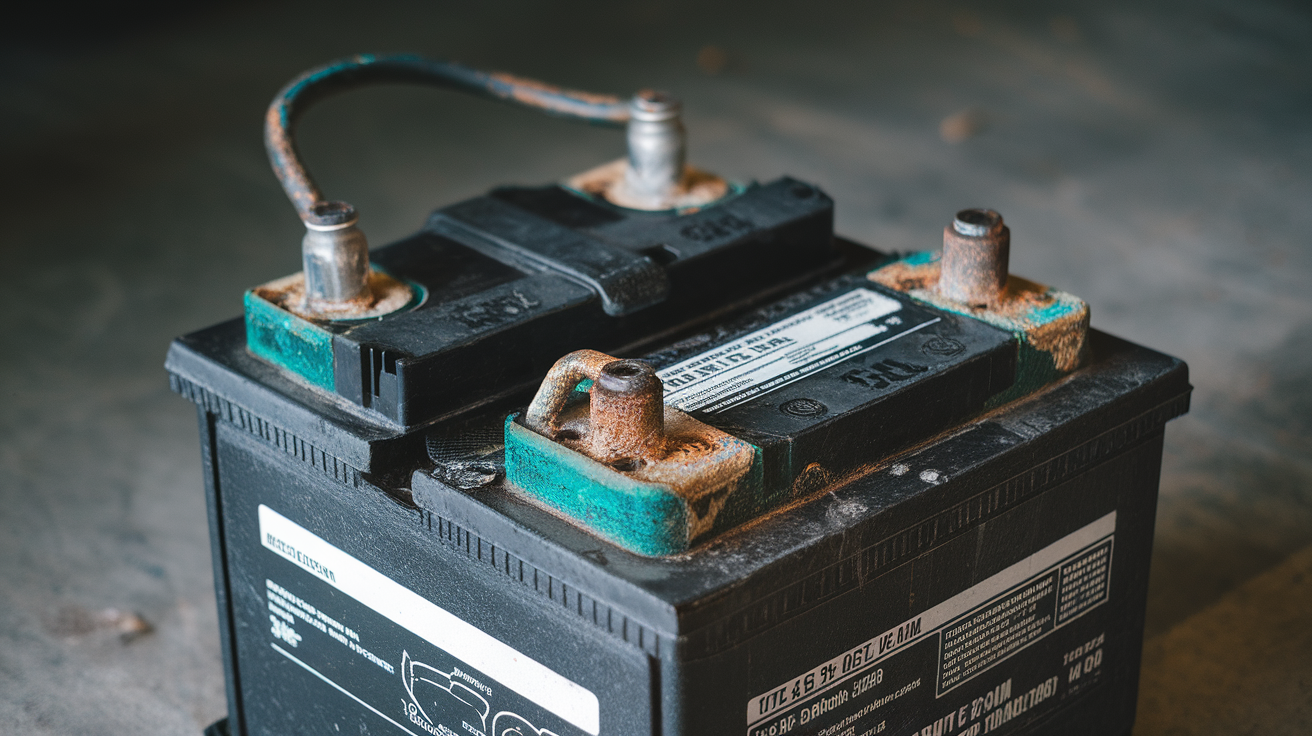
Car battery terminals corrode when acid vapour, heat and moisture react with the metal clamps, leaving white, green or blue crust. Light corrosion on a normal car can be cleaned safely with the right precautions. Corrosion that keeps returning, damaged clamps or any hybrid or start stop AGM battery belongs in the workshop, as the cause is often charging, age or a leak.
This guide is written by the Mechanics workshop team in Al Quoz, Dubai. Battery and starting complaints come in every week, and corroded terminals are one of the first things we look at.
Use it to understand what the corrosion means and what is safe to do. Then let a technician test the battery and charging before you buy any parts.
Is it safe to drive with corroded battery terminals?
Battery corrosion contains acid, and batteries can give off hydrogen gas. Wear eye protection and gloves, keep sparks and flames away, and never touch the residue with bare hands.
| What you notice | Risk level | What to do |
|---|---|---|
| Light white dust on a clamp, car starts normally | Low | Book a battery and terminal check soon |
| Thick crust and slow cranking | Medium | Avoid long trips and have it tested |
| Flickering lights or warnings that come and go | Medium | Have the battery, clamps and charging checked |
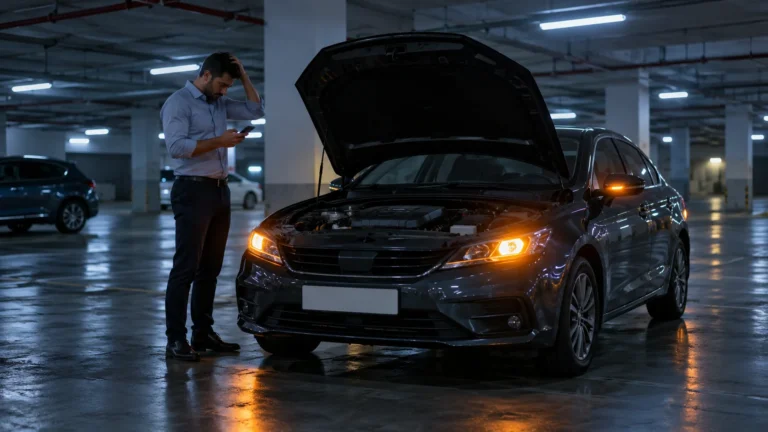
| Battery light on while driving | High | Drive straight to the workshop or stop safely |
| Swollen, cracked or leaking battery case | High | Do not touch it, do not jump start, call for help |
| Burning smell, smoke or a hot cable | High | Switch off, step away and arrange recovery |
Seeing crust on your battery terminals? Send us a photo of the battery and your car model, and we will tell you if it needs a clean, new clamps or a battery test.
How battery terminals work and why they corrode
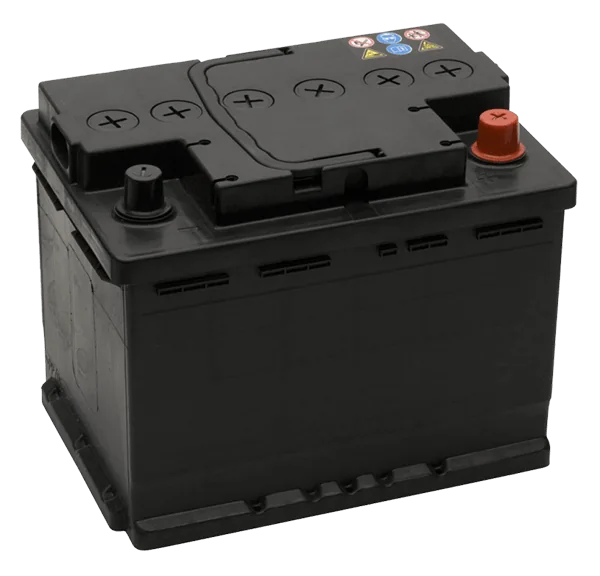
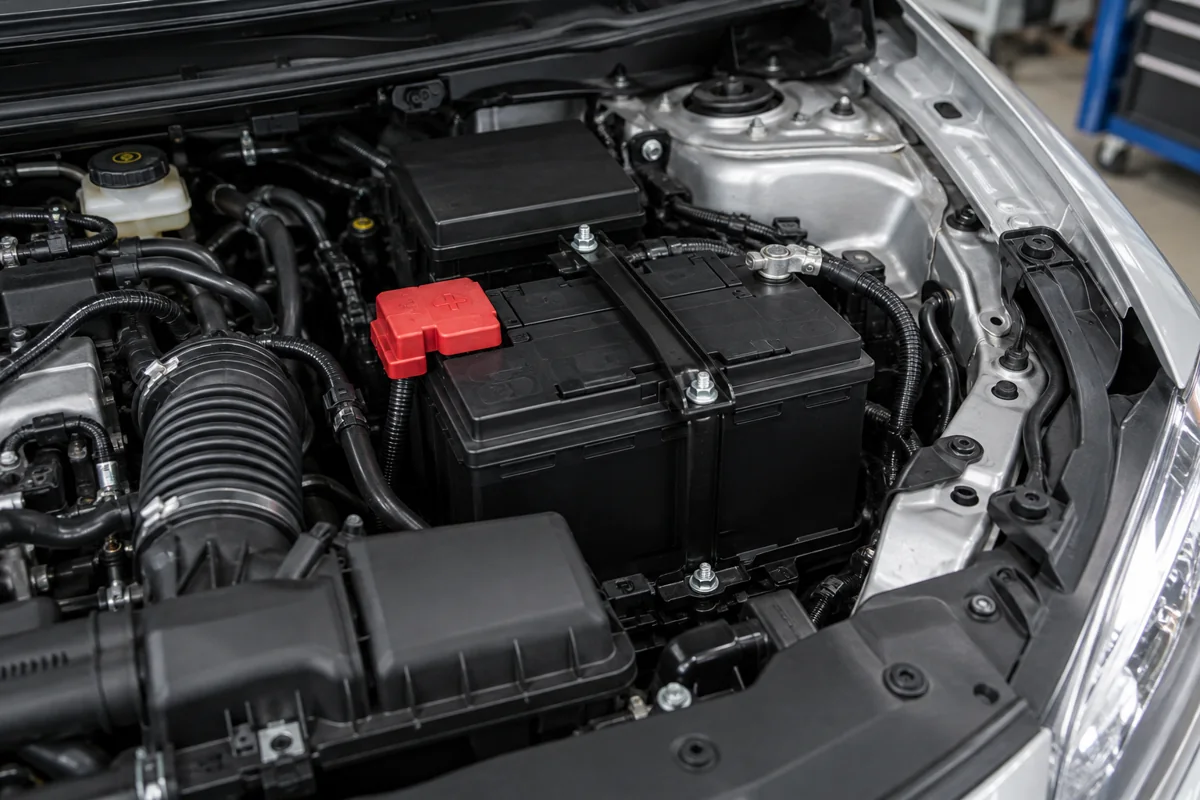
The battery has a positive and a negative post. Metal clamps on the cables grip these posts and carry current to the starter, alternator and the rest of the car.
- Positive post and clamp, usually under a red cover
- Negative post and clamp, connected to the body and engine
- Main cables to the starter, fuse box and earth points
- Hold down bracket that stops the battery moving
Lead sulfate deposits
Common on lead posts and clamps. Often linked to acid vapour around the post seal.
Copper corrosion
Shows where copper cable or clamp metal reacts. It can creep under the cable insulation.
Electrolyte on the case
A damp top or stains suggest a leak, overfilling or overcharging. This needs a test.
Any crust adds resistance between clamp and post. Less current reaches the starter, and charging suffers too.
Corrosion symptoms and what they point to
| What you notice | Possible cause | The check that confirms it |
|---|---|---|
| Slow crank in the morning | Corroded clamp, weak battery, poor earth | Battery load test and voltage drop test |
| Click but no crank | Loose or corroded clamp, flat battery, starter fault | Terminal check, battery test, starter circuit test |
| Dim or flickering lights | High resistance at a terminal or earth strap | Voltage drop test under load |
| Random warning lights | Unstable voltage reaching control units | Scan for low voltage codes, battery test |
| Corrosion returns within weeks | Overcharging, a leaking post seal or an old battery | Charging voltage test, case and post inspection |
| Battery light while driving | Alternator, belt or charging cable fault | Charging system test with the engine running |
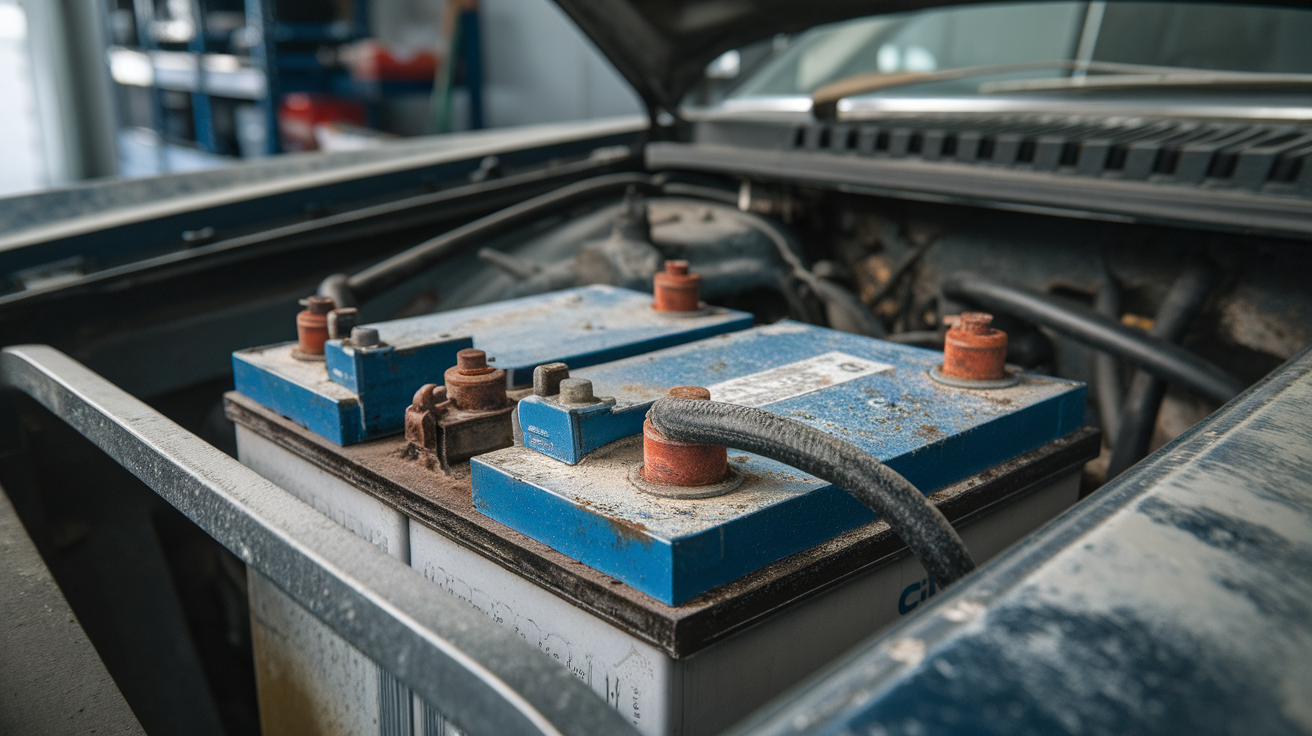
The colour and place of the crust tell us a lot. Heavy build up on one post often points to a seal or clamp problem on that side.
- Crust on the clamp surface only can often be cleaned
- Crust under the insulation means the cable may be damaged
- Stains down the case point to a battery leak
What causes battery terminal corrosion?
Corrosion is a symptom, not the root fault. Cleaning without finding the cause usually means the crust is back within weeks.
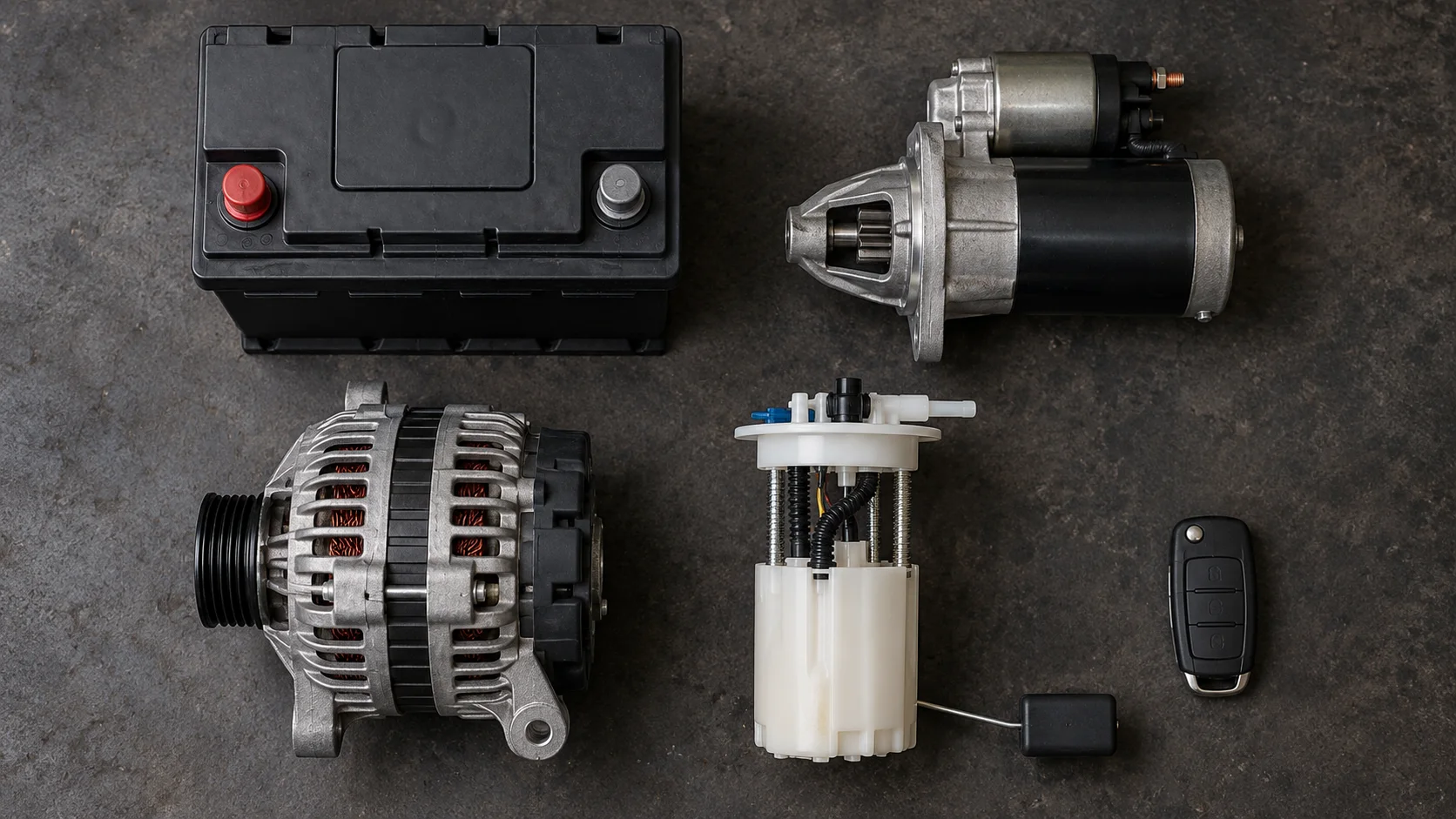
The battery, alternator and starter work as one system. A fault in one shows up as stress on the terminals.
- Charging voltage that is too high or too low
- Acid leaking around a worn post seal
- Old batteries near the end of their life
- Loose clamps that heat and arc
1. Overcharging or undercharging
Too much voltage
A faulty regulator in the alternator can overcharge the battery. More gassing means more corrosion at the posts.
Too little charge
A battery that never fully charges ages faster and can sulfate. Short trips in traffic make this worse.
How we confirm it
We read charging voltage at idle and under load, then compare it with what the car is designed to do.
2. Electrolyte leaking at the posts
- Worn or damaged seals where the post leaves the case
- Overfilled cells on older serviceable batteries
- A cracked case from a loose or overtightened bracket
- Confirmed by checking the case, the vents and the post base
3. Battery age and heat
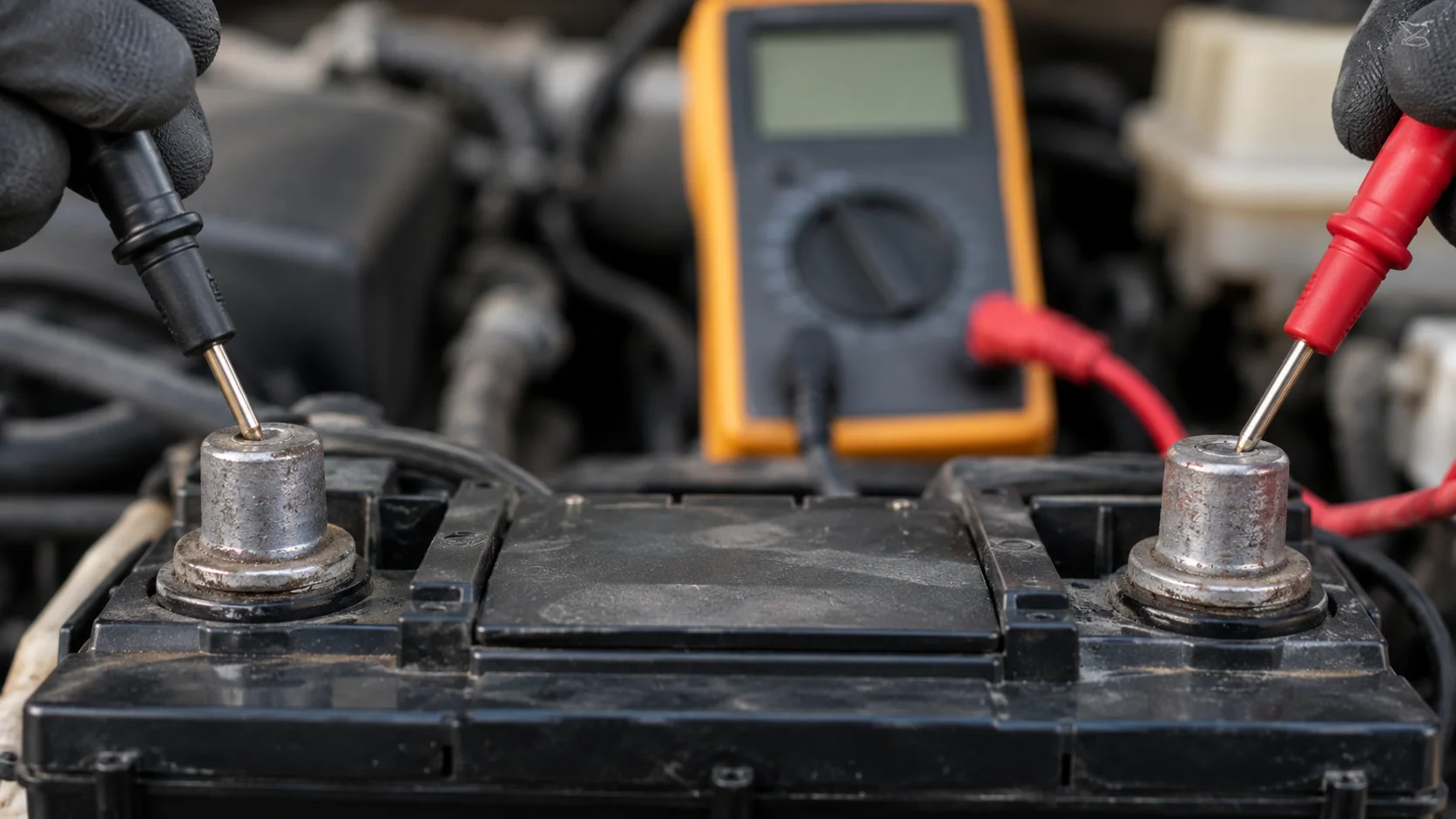
Heat speeds up the chemistry inside a battery. In Dubai, many batteries wear out faster than drivers expect.
- Corrosion is often one of the first visible signs of an ageing battery
- A load test shows whether the battery can still crank
- Voltage alone shows charge, not health
4. Loose, damaged or wrong clamps
| Clamp problem | What it causes | Usual fix |
|---|---|---|
| Clamp will not tighten | Heat, arcing and fast corrosion | New clamp or terminal end |
| Cracked or stretched clamp | Poor contact and starting faults | Replace the clamp |
| Corrosion inside the cable | Voltage drop even after cleaning | Replace the cable section or cable |
| Temporary repair clamp fitted | Loose contact over time | Fit the correct terminal for the car |
What you can safely check and clean yourself
These checks are for normal petrol or diesel cars with a battery under the bonnet. Do them with the engine off, the key away from the car and the bonnet fully open.
- Look at both clamps for white, green or blue crust
- Check the battery case for swelling, cracks or wet stains
- See if the battery moves in its tray when pushed gently
- Note the battery age from the label or your service invoice
- Watch the dashboard for a battery light or low voltage message
Safety before any cleaning. Wear eye protection and gloves, keep sparks, flames and cigarettes away, and never let a metal tool touch both terminals or the positive post and the body.
-
Protect yourself
Safety glasses and gloves on. Remove rings and watches before working near the battery.
-
Disconnect in the right order
If a clamp must come off, remove the negative clamp first, then the positive. This lowers the risk of a short.
-
Neutralise and brush the surface
A baking soda and water mix neutralises acid residue. Brush gently and keep the mix out of the battery vents.
-
Dry and inspect
Wipe everything dry. Cracked clamps, frayed cable or melted plastic mean it needs a workshop repair.
-
Reconnect in reverse
Positive clamp first, negative last, both firm but not overtightened. A thin coat of terminal protector helps.
- No cleaning or disconnecting on hybrids, plug in hybrids or electric cars, visual checks only
- Never touch orange high voltage cables or covers on a hybrid or electric car
- No DIY disconnecting on start stop cars with AGM or EFB batteries, many need registration and resets
- Do not jump start a swollen, cracked or leaking battery
If you are unsure about any step, leave the clamps on and send us a photo instead.
How Mechanics diagnoses corroded terminals
-
Listen to you
When the car struggles, how old the battery is and what warning lights you have seen.
-
Visual inspection
Clamps, posts, cables, case, vents, tray and hold down bracket are checked.
-
Battery health test
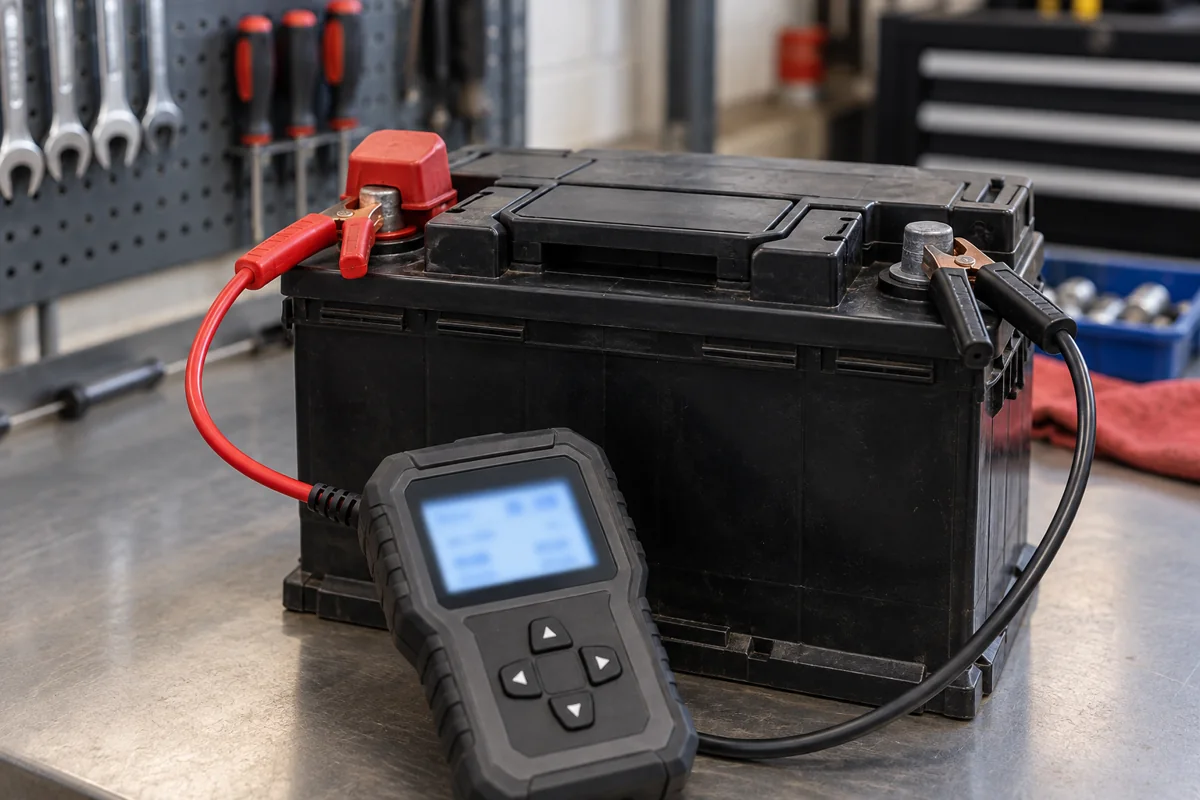
A tester checks state of charge and cranking ability, not just voltage.
-
Voltage drop test
We measure losses across clamps, cables and earth points while the engine cranks.
-
Charging system test
Alternator output is checked at idle and under load. See our alternator repair service for that work.
-
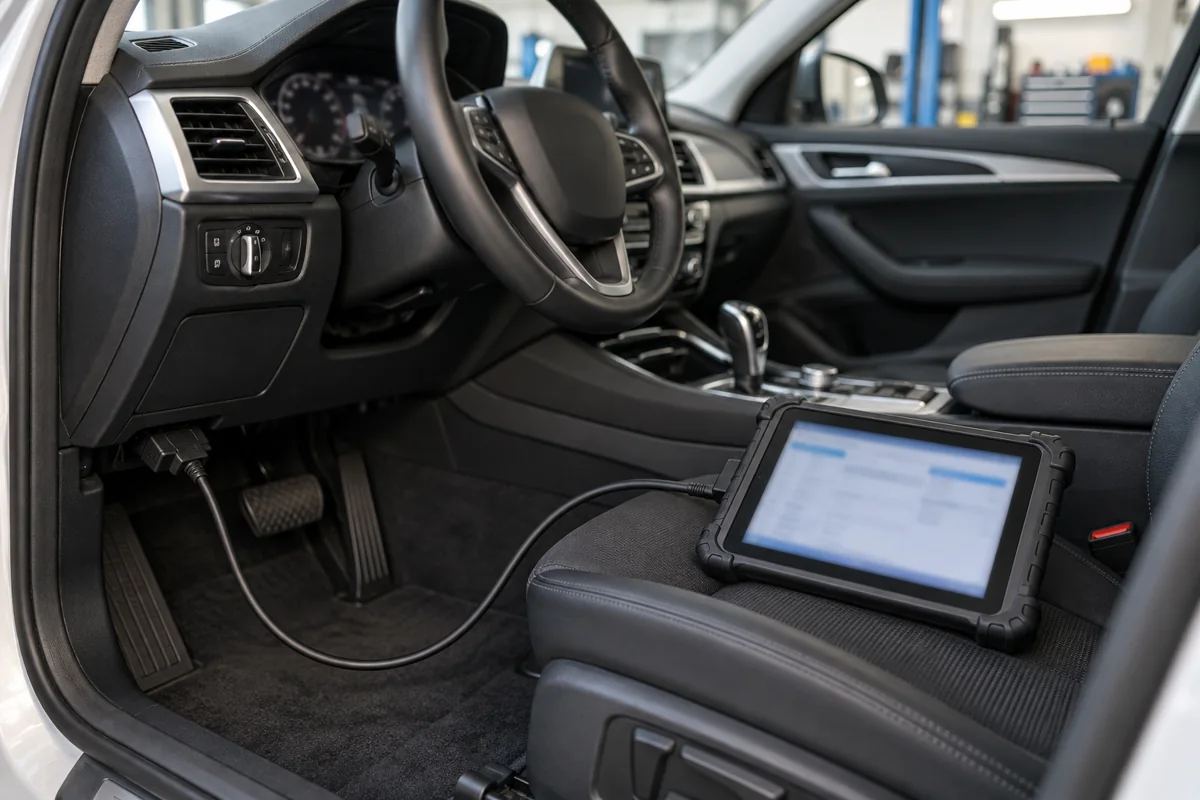
Scan the car
Control units are read for low voltage faults. Our computer check covers this.
-
Written quote
You get the findings and the price on WhatsApp before any work starts.
On cars that keep corroding, we often find a battery near the end of its life or a clamp loose for months. Fixing that stops the crust returning.
Common repairs for battery terminal corrosion
| Repair | Fixes | Usually followed by |
|---|---|---|
| Terminal clean and protect | Light surface corrosion | Voltage drop recheck |
| New clamp or terminal end | Cracked, stretched or pitted clamps | Start and charging test |
| Battery cable replacement | Corrosion inside the cable, voltage drop | Load test while cranking |
| Earth strap repair | Dim lights, slow crank, random faults | Voltage drop test |
| Battery replacement | Leaking, swollen or worn out battery | Battery registration where required |
| Alternator or regulator repair | Overcharging or undercharging | Charging system test |
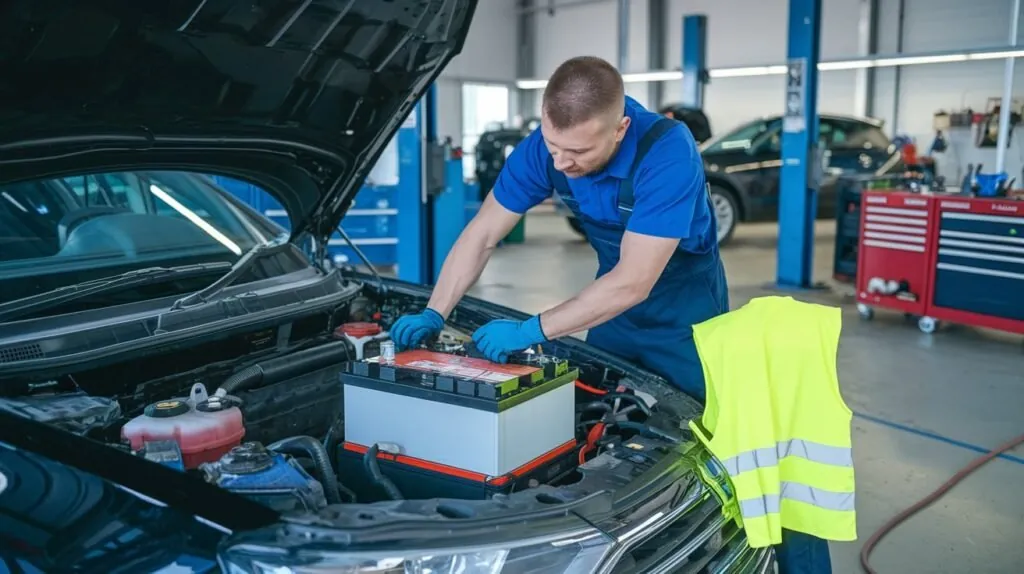
If the battery itself is leaking or worn, a clean only buys time. Our car battery replacement service covers testing, fitting the right battery and registration where needed.
- Correct battery size and type for the car
- Clamps cleaned or replaced and tightened properly
- Hold down bracket fitted so the battery cannot move
- Charging checked after fitting
What affects the cost of fixing corroded terminals?
The real cause
A clean is a small job. A new battery, cable or alternator is a bigger one, so testing comes first.
Battery type
Flooded, EFB and AGM batteries differ in price, and some cars need registration after fitting.
Cable damage
Corrosion inside a main cable means part or all of the cable is replaced.
Battery location
Batteries under seats or in the boot take longer to reach than those under the bonnet.
| Guide from our service pages | Published guide range |
|---|---|
| Small sedan or hatchback battery, fitted | AED 200 to 350 |
| Medium car or SUV battery, fitted | AED 300 to 500 |
| Large, premium or AGM battery, fitted | AED 500 to 1,000 or more |
| Conventional alternator replacement | AED 800 to 2,500 |
See the battery replacement price guide and the alternator repair price section. Your final quote depends on the car and what we find.
How Dubai conditions affect battery terminals
Faster battery chemistry
High engine bay temperatures speed up gassing and battery wear, so corrosion forms sooner.
Moisture on the posts
Humid nights leave moisture that mixes with acid vapour around the clamps.
Dirt holds moisture
Fine dust on the battery top traps damp and residue, which helps corrosion spread.
Short trips and idling
Stop start traffic with the AC on full can leave the battery undercharged.
In summer we often see a run of no start calls after a hot week. Many of those cars showed terminal crust earlier.
What corroded terminals can damage if ignored
| Part | How corrosion affects it |
|---|---|
| Starter motor | Low current makes it work harder and crank slowly |
| Alternator | Poor contact makes charging uneven and adds strain |
| Battery cables | Corrosion creeps inside and adds resistance and heat |
| Fuses and relays | Voltage dips can cause odd behaviour and faults |
| Control units | Low voltage can store fault codes and warning lights |
| Battery itself | Chronic undercharging shortens its life |
A weak connection also shows up when the fan and AC run hard. See our guide on a radiator fan that is not working.
How to prevent battery terminal corrosion
- Ask for the battery and clamps to be checked at every service
- Have the battery tested before summer and before long trips
- Keep the battery top clean and dry
- Make sure the hold down bracket is fitted and not overtightened
- Use terminal protector spray or grease only after a proper clean
- Fix charging faults early instead of cleaning the crust again and again
- Do not cover existing corrosion with grease, it seals the problem in
- Do not ignore a battery warning light
What to send us
Make, model, year and whether it is a hybrid or start stop car.
A clear photo of the battery top, both clamps and the label.
Slow crank, click, warning light or flickering lights.
Battery age and any recent battery or alternator work.
Book a battery and terminal check. Send these details on WhatsApp and we will advise the next step before you drive in.
Battery terminal questions we get asked
What causes car battery terminals to corrode?
Acid vapour and moisture reacting with the clamp metal. Overcharging, a leaking post seal, an old battery and loose clamps make it worse, and heat speeds it all up.
Is white powder on the battery dangerous?
It can contain acid, so treat it with care. Wear gloves and eye protection, keep it off your skin and clothes, and wash your hands after any contact.
Can corroded terminals stop my car from starting?
Yes. The crust adds resistance, so the starter cannot get enough current. You may hear a click or a slow crank even with a healthy battery.
Which battery terminal should I disconnect first?
Remove the negative clamp first and reconnect it last. This lowers the risk of a short if a tool touches the body while you work on the positive side.
Can I clean battery terminals with baking soda?
On a normal car, a baking soda and water mix neutralises acid residue. Wear protection and keep it out of the vents. Not on hybrids or AGM start stop cars.
Can I clean the terminals on a hybrid car myself?
No. Limit yourself to looking and taking a photo. Hybrids and electric cars have high voltage systems, and the 12V battery may need special procedures.
Why does corrosion keep coming back after cleaning?
The cause is still there. It is often overcharging, a leaking post seal or an old battery. A charging test and battery test will show which.
Do I need a new battery if the terminals are corroded?
Not always. Many cars only need a clean or new clamps. If the battery fails a load test, leaks or is swollen, replacement is the safer choice.
Can corroded terminals damage the alternator?
Poor contact makes charging uneven and puts extra strain on the system. We test the alternator whenever a battery keeps going flat or corroding.
Should I put grease on my battery terminals?
Only after a proper clean. A thin coat of terminal protector helps keep moisture out. Grease over old corrosion seals the problem in.
Why do batteries in Dubai seem to corrode faster?
Heat speeds up gassing and battery wear, humid nights add moisture and dust holds it on the battery top. Regular checks catch it early.
Can I disconnect the battery on a start stop car?
It is best left to a workshop. Many start stop cars with AGM or EFB batteries need the battery registered and some settings reset after it is disconnected or replaced.
How do I book a battery terminal check at Mechanics?
Send your car details and a battery photo on WhatsApp. We test the battery and charging, and you get a written quote before any work starts.