In this guide
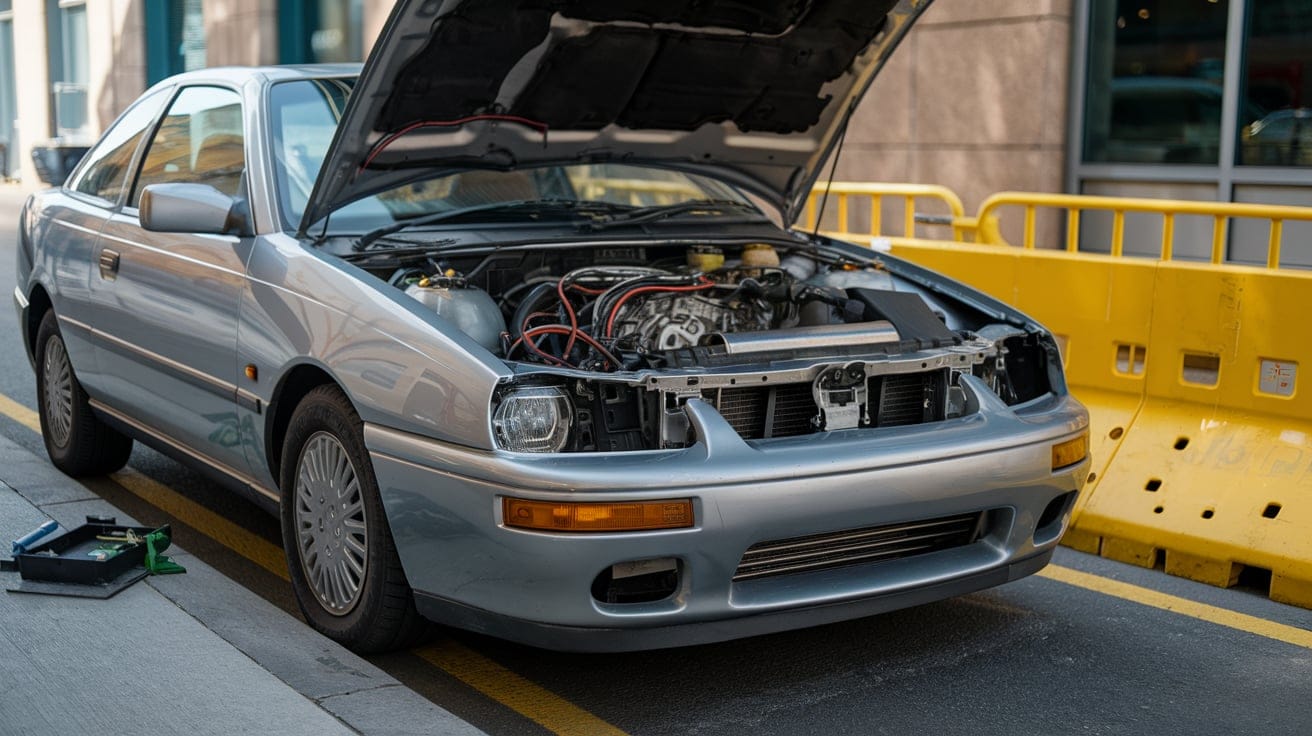
A car that jerks when accelerating usually has a misfire, a fuel delivery problem, an air or sensor fault, or a transmission that is not shifting cleanly. Worn spark plugs and failing ignition coils are the most common causes we find. A computer check and a road test show which system is at fault before any part is changed.
This guide is written by the Mechanics workshop team in Al Quoz, Dubai. Jerking and hesitation on pull away are among the complaints we diagnose most often.
Use it to describe what your car is doing. Then let a technician confirm the cause before any part is ordered.
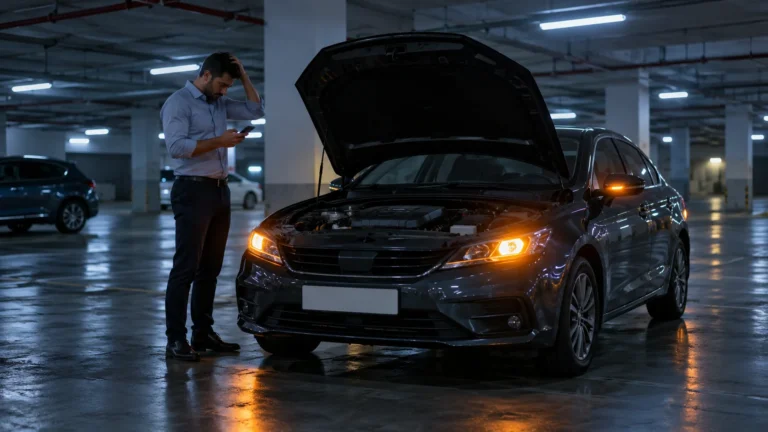
Is it safe to drive if your car jerks when accelerating?
A flashing check engine light with jerking means a heavy misfire. Unburnt fuel can overheat and damage the catalytic converter. Slow down, avoid hard acceleration and stop as soon as it is safe.
| What you notice | Risk level | What to do |
|---|---|---|
| Slight hesitation, no warning light | Low | Book a check soon and note when it happens |
| Jerk under load with a steady engine light | Medium | Drive gently and book a computer check |
| Harsh or late gear changes | Medium | Avoid hard acceleration until it is checked |
| Flashing engine light | High | Stop driving, arrange recovery |
| Power loss on the highway or limp mode | High | Move to a safe place and call for help |
| Fuel smell with jerking | High | Do not drive, a fuel leak needs attention now |
Car jerking when you press the pedal? Send us the car model and when it happens, and we will tell you if it is safe to drive in.
What makes acceleration smooth?
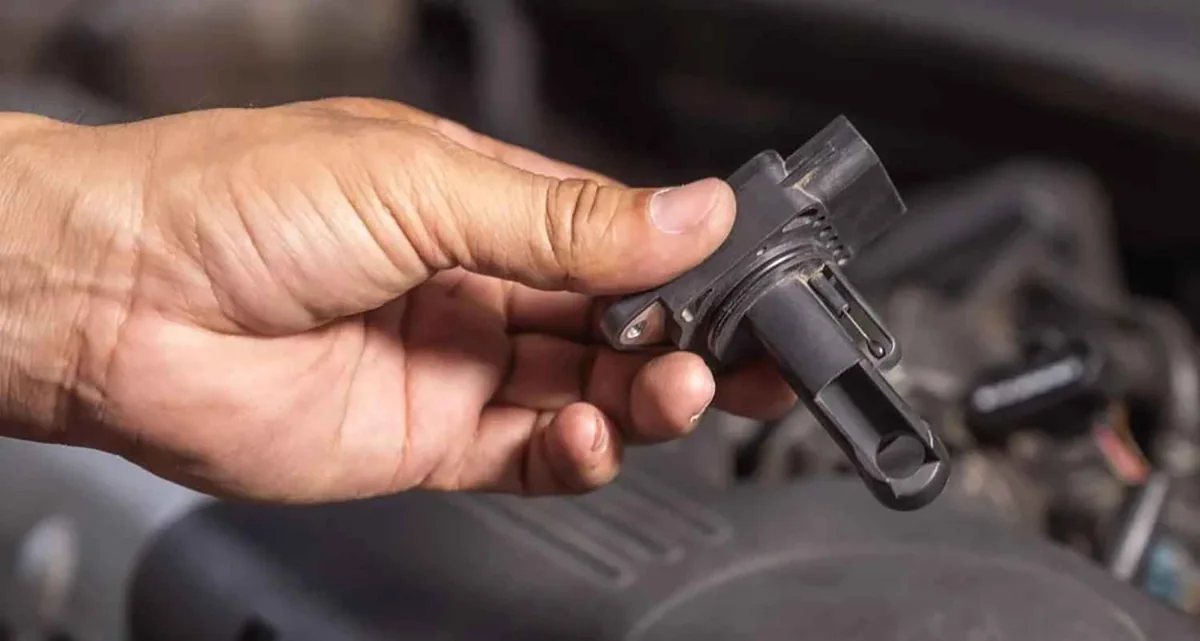
When you press the pedal, the engine computer opens the throttle, adds fuel and times the spark. The gearbox then passes that power to the wheels.
- Air measured by the mass airflow sensor
- Fuel from the pump, filter and injectors
- Spark from the ignition coils and spark plugs
- Pedal and throttle position sensors
- Gearbox, torque converter or clutch
Spark at the right time
A weak spark in one cylinder causes a misfire that you feel as a jerk.
Enough fuel under load
Low pressure or a blocked injector leans the mixture when you ask for power.
Correct readings
A dirty or faulty sensor gives the computer wrong numbers to work with.
Clean power transfer
Slipping or harsh shifts feel like a jerk even when the engine is healthy.
Car jerking symptoms and their likely causes
How and when the jerk happens is the best clue. Match your symptom to the table, then read the cause in detail below.
| What you notice | Possible cause | Check that confirms it |
|---|---|---|
| Jerk under load, worse uphill or when overtaking | Worn spark plugs or a weak ignition coil | Misfire counters, coil swap test, plug inspection |
| Jerk with a flashing engine light | Heavy misfire on one or more cylinders | Stored misfire codes and live data |
| Hesitation at high speed or on long climbs | Weak fuel pump or blocked fuel filter | Fuel pressure test under load |
| Rough at low speed, smooth when warm | Dirty injectors or a vacuum leak | Fuel trims, smoke test, injector balance |
| Surge or stumble when you touch the pedal | Dirty throttle body or pedal sensor fault | Throttle and pedal sensor live data |
| Jerk at the same speed each time | Gearbox shift problem or torque converter | Gearbox codes, fluid check, road test |
| Clunk and jolt when you pull away | Worn engine or gearbox mounts | Mount inspection with the engine under load |
The main causes in detail
1. Worn spark plugs
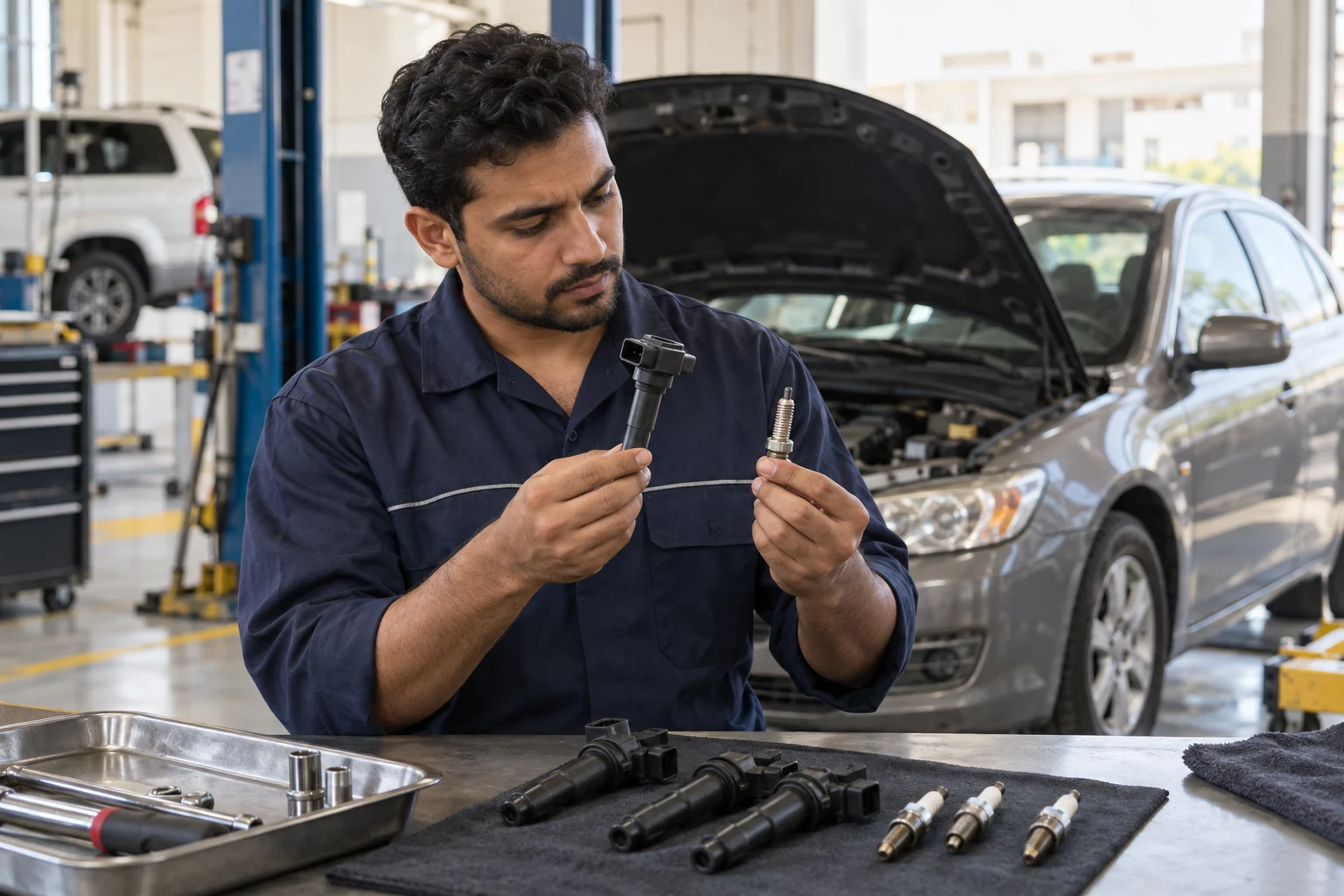
A worn plug needs a higher voltage to fire. Under load the spark can fail, and the cylinder misfires.
- Jerking is worst on hard acceleration or uphill
- Fuel use often rises at the same time
- Starting can feel slower on a cold morning
- We confirm it by removing and reading the plugs
Plug intervals depend on the engine. See our spark plug replacement service for that job.
2. Failing ignition coils
Most modern engines have one coil on top of each plug. Heat and age crack the coil insulation, and the spark leaks away under load.
Misfire on one cylinder
The scan tool shows which cylinder is missing, which narrows it down fast.
Coil swap test
We move the coil to another cylinder. If the misfire moves too, the coil is at fault.
Worse when hot
Coils often fail first in summer, when the engine bay runs very hot.
Plugs checked too
A worn plug overloads a coil, so we check both together.
When a coil is confirmed, our ignition coil replacement service covers the repair.
3. Fuel delivery problems
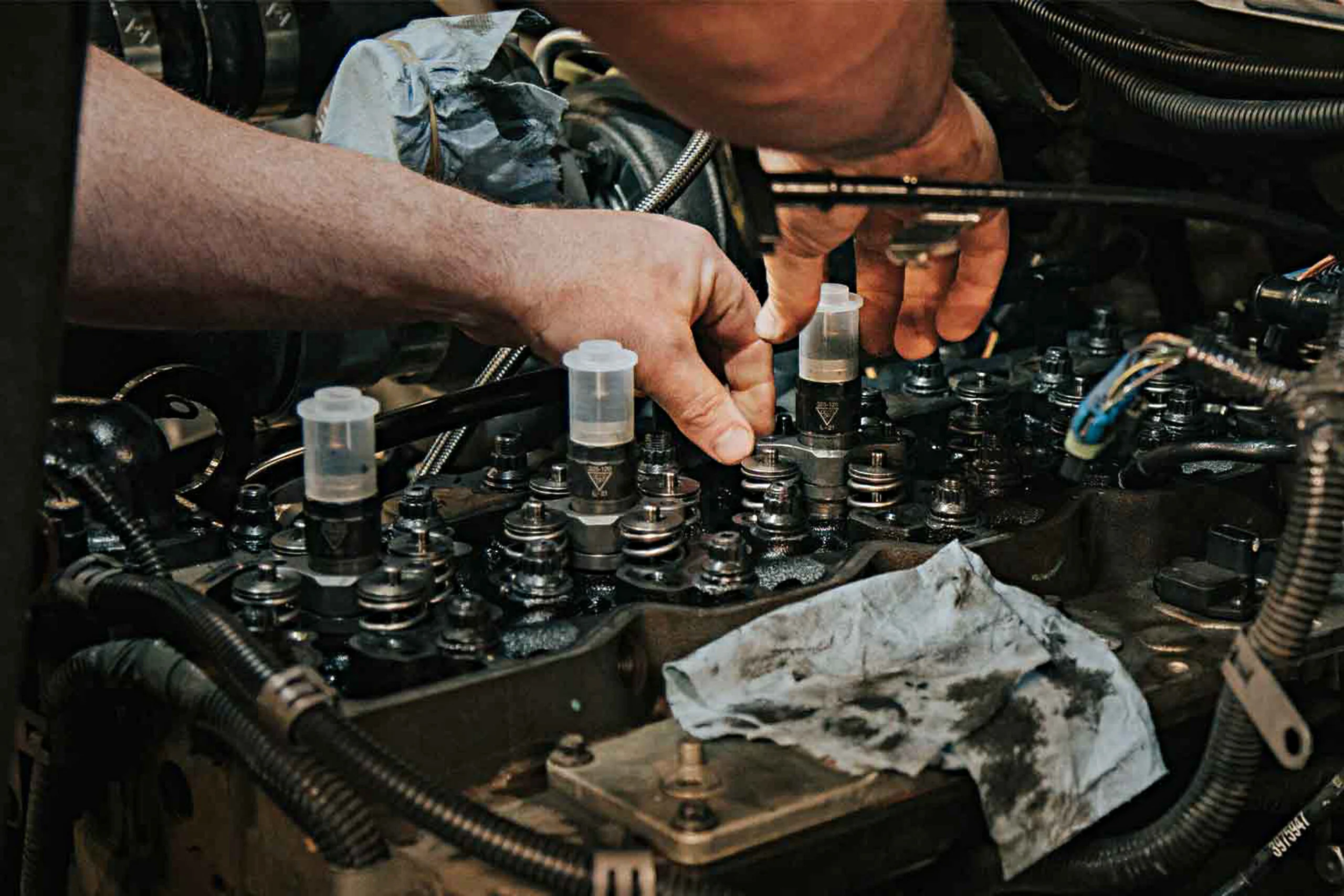
The engine needs more fuel the moment you accelerate. If supply cannot keep up, the mixture runs lean and the car stutters.
- A weak fuel pump loses pressure under load
- A blocked fuel filter restricts flow on some cars
- Dirty or leaking injectors upset one cylinder
- A faulty pressure regulator gives unstable pressure
Our guide to fuel pressure regulator symptoms covers that part. For injector faults see fuel injector replacement, and for pump faults see fuel pump replacement.
4. Air leaks and sensor faults
| Part | What goes wrong | How it feels |
|---|---|---|
| Mass airflow sensor | Dirty or failing, reads the wrong air amount | Hesitation and flat spots |
| Throttle body | Carbon build up, sticky movement | Surge or stumble at low speed |
| Pedal and throttle position sensors | Signal drops or does not match | Sudden jerks, limp mode |
| Vacuum hoses and intake | Cracked hose lets in unmeasured air | Rough idle and lean running |
| Oxygen sensors | Slow or wrong readings | Poor mixture control, higher fuel use |
5. Transmission and drivetrain problems
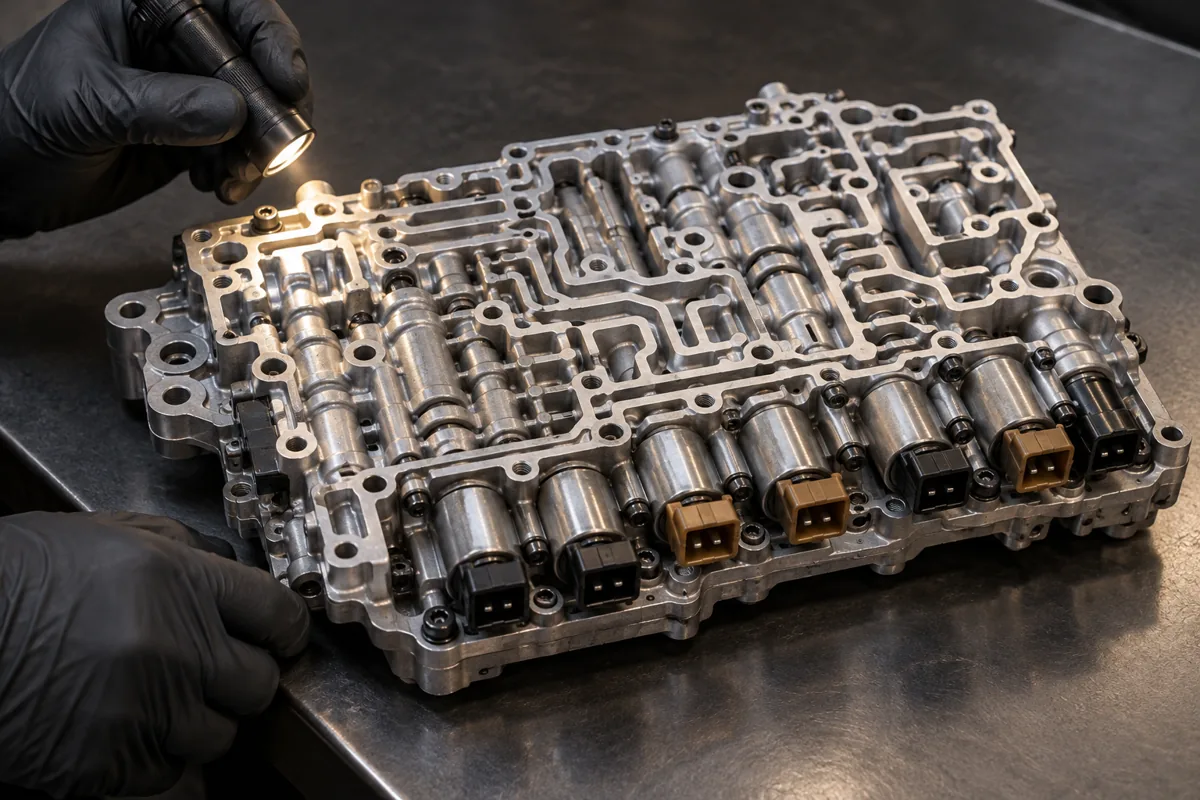
If the engine runs cleanly but the car still jolts, the gearbox is the next suspect. A jerk at the same speed every time points this way.
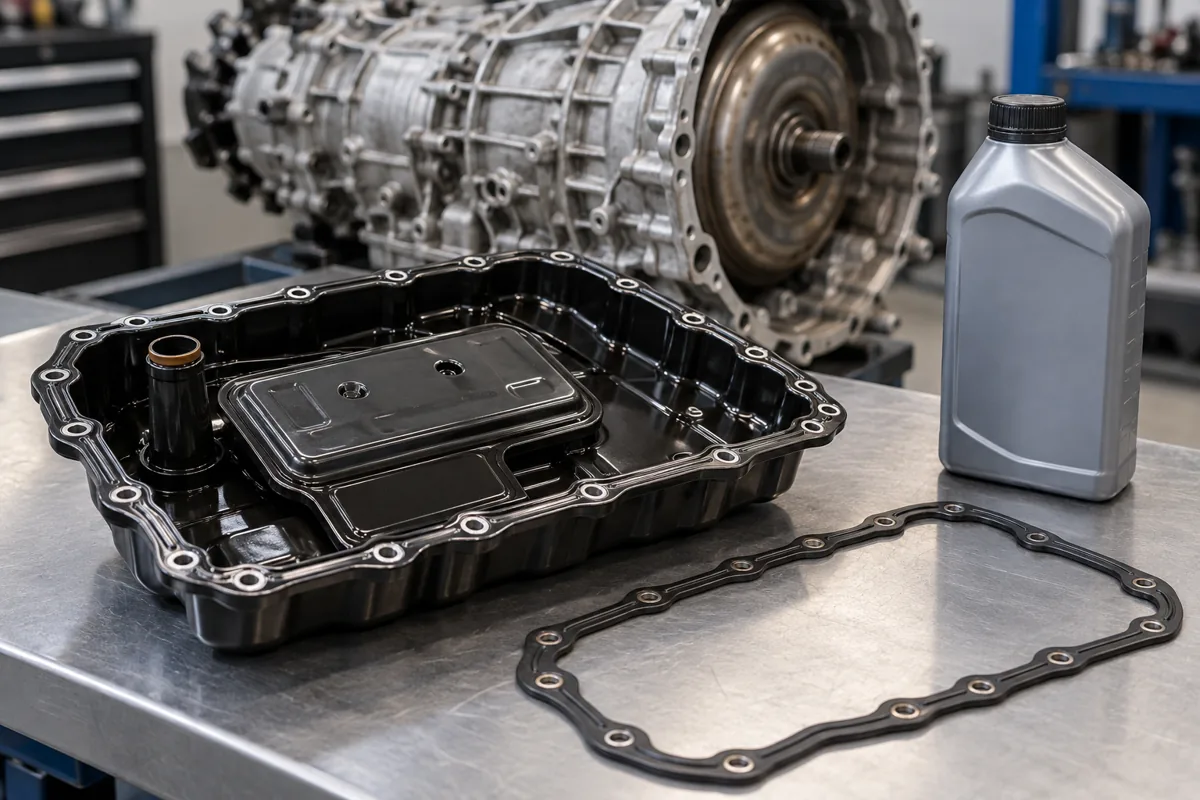
- Low or old gearbox fluid causes harsh shifts
- Worn solenoids or valve body give late changes
- Torque converter faults cause shudder at cruise
- Dual clutch gearboxes can judder on pull away
- Worn clutch on manual cars slips and grabs
Our transmission repair service covers automatic, CVT and dual clutch faults.
6. Worn engine and gearbox mounts
Mounts hold the engine in place. When the rubber splits, the engine rocks and you feel a jolt on pull away or when lifting off.
- A mount fault does not cause a warning light
- It does not change fuel use or power
- It often clunks when shifting between drive and reverse
What you can safely check yourself
These checks need no tools and no lifting. They help us diagnose faster when you message us.
- Note whether the engine light is off, steady or flashing
- Note the speed, gear and engine temperature when it jerks
- Check whether it happens with the AC on, off or both
- Think back to your last refuel or any recent work
- Look for fresh fluid spots under the car after parking
- Check the engine air filter box clips are closed, engine off
- Do not keep driving with a flashing engine light
- Do not unplug coils with the engine running
- Do not pour additives in hoping to fix a misfire
- Do not clear codes before a technician reads them
How Mechanics diagnoses a car that jerks
-
Listen to you
When it jerks, at what speed, in which gear and whether it is worse hot or cold.
-
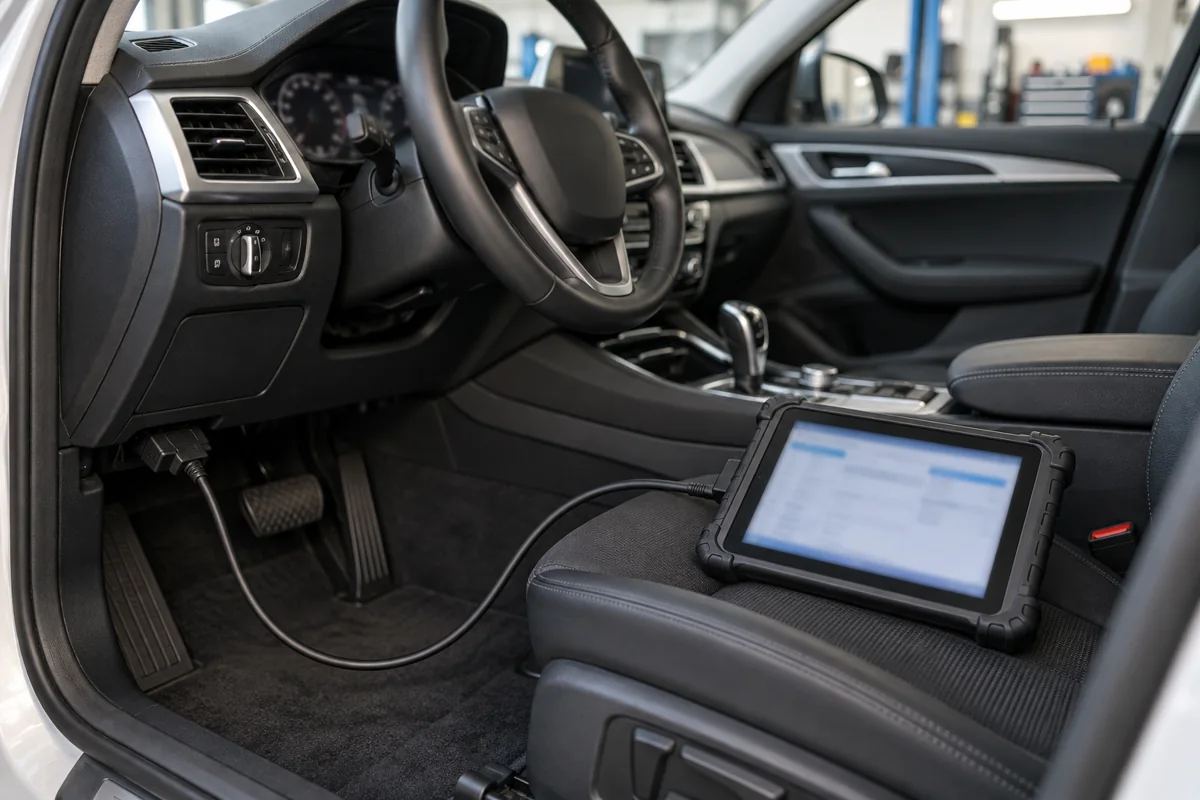
Full computer scan
Engine and gearbox modules are read for stored and pending faults. See our car computer check.
-
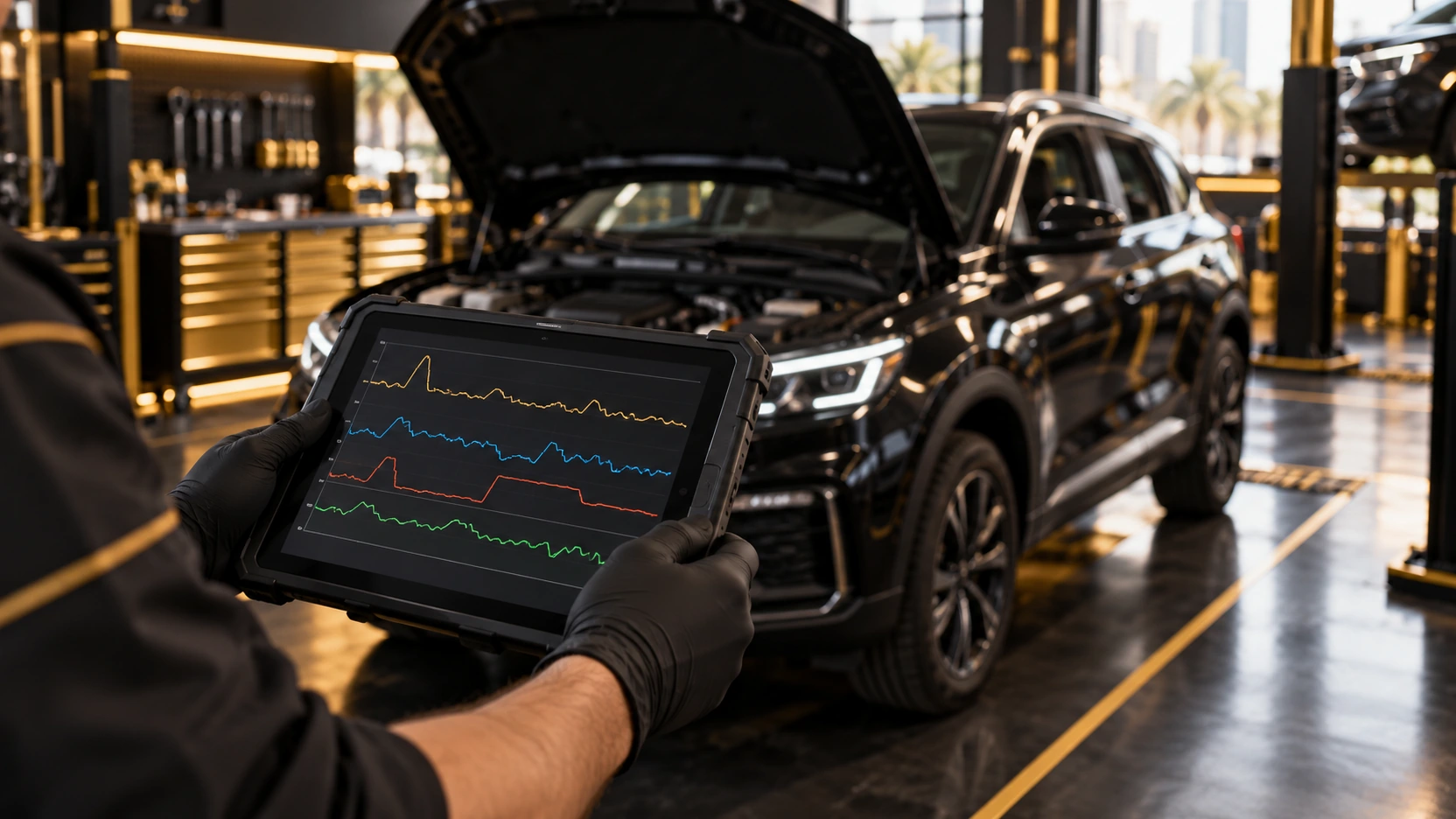
Road test with live data
We watch misfire counters, fuel trims, airflow and gear data while the fault happens.
-
Ignition checks
Plugs are inspected and coils are tested or swapped between cylinders.
-
Fuel and air checks
Fuel pressure, injector balance and intake leaks are tested where the data points there.
-
Gearbox and mounts
Fluid level and condition, shift data and mount movement are checked.
-
Written quote
You get the findings and the price on WhatsApp before any work starts.
A common pattern we see is a car that has had new plugs but still jerks. The coil was weak all along, and the scan data showed it.
Common repairs that fix jerking
| Repair | Fixes | Usually followed by |
|---|---|---|
| Spark plug replacement | Misfire under load, slow starts | Road test and misfire counter check |
| Ignition coil replacement | Misfire on one cylinder, flashing light | Code clear and road test |
| Injector cleaning or replacement | Rough running, lean cylinder | Fuel trim check |
| Fuel pump or filter replacement | Power loss at speed or uphill | Fuel pressure test |
| Throttle body cleaning | Surge and stumble at low speed | Throttle adaptation reset |
| Sensor replacement | Hesitation, limp mode | Live data check |
| Gearbox fluid service or repair | Harsh or late shifts, shudder | Gearbox adaptation and road test |
| Engine mount replacement | Clunk and jolt on pull away | Road test |
What affects the cost of fixing a jerking car?
The real cause
A coil is a small job, a gearbox repair is a large one. Diagnosis comes first.
The engine layout
On some V6 and V8 engines the rear plugs and coils need the intake removed.
Parts choice
Genuine and OEM equivalent parts differ in price. We explain the options.
Related wear
Worn plugs often mean the other plugs are due too, so we quote the full set.
Extra damage
Driving on with a misfire can harm the catalytic converter and add cost.
We give no fixed price before the car is checked. Your written quote depends on the car and what we find.
How Dubai conditions make jerking worse
Coils and sensors fail sooner
Very high engine bay temperatures age coil insulation and wiring faster.
Stop start driving
Short trips and crawling traffic build carbon on throttles and injectors.
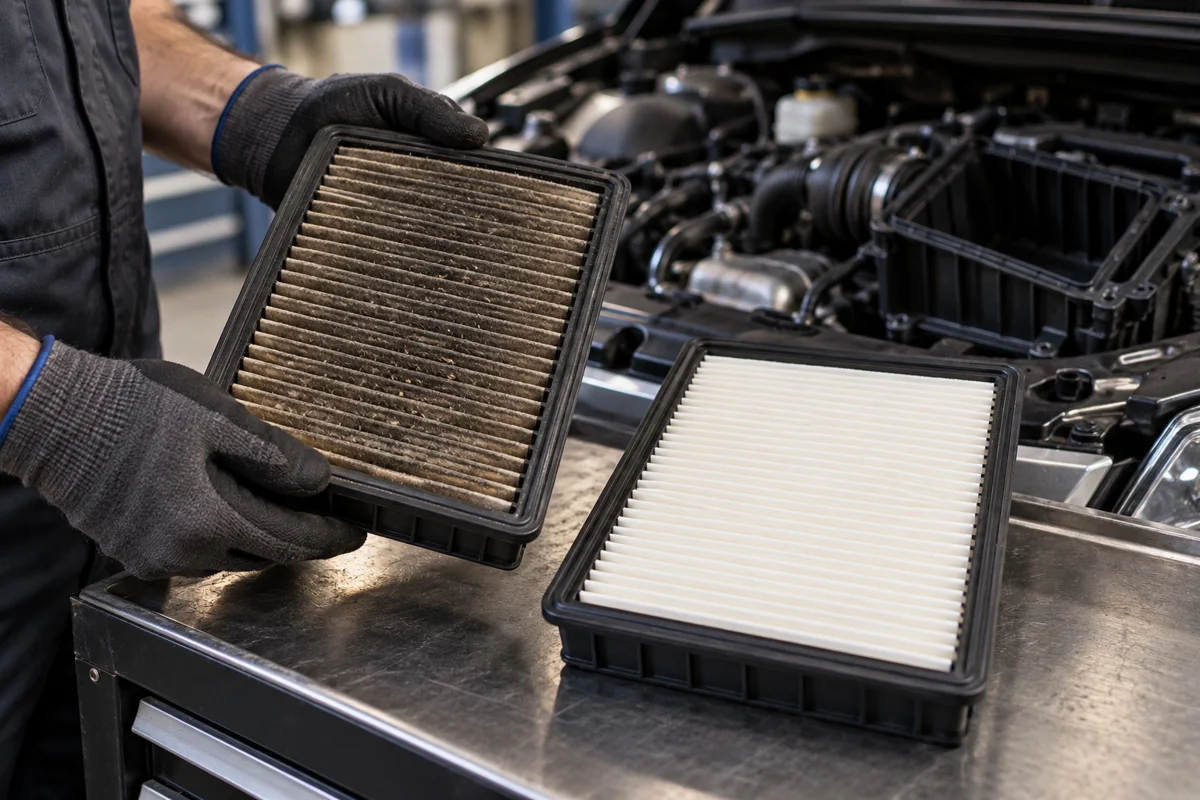
Air filters clog
Fine sand blocks the air filter and can dirty the airflow sensor.
Extra load at low speed
The AC compressor adds load, so a weak engine shows the fault sooner.
In summer we often find that a car which jerked only with the AC on had a weak coil. The extra load was enough to show the misfire.
How to prevent your car from jerking
- Change spark plugs at the interval in your handbook
- Replace the engine air filter more often in dusty months
- Follow the gearbox fluid schedule for your car
- Use the fuel grade your handbook asks for
- Do not run the tank very low, the pump uses fuel to cool
- Have a steady engine light read early, not months later
Engine jerk or gearbox jerk, how to tell
| Clue | Points to the engine | Points to the gearbox |
|---|---|---|
| Engine light | Often on or flashing | Often off, or a gearbox warning shows |
| When it happens | Any time under load | At the same speed or gear change |
| Rev counter | Steady while the car stutters | Jumps up or flares during the jerk |
| In neutral | Engine may still run rough | Engine runs smoothly |
| Main check | Misfire and fuel data | Gearbox codes, fluid and shift data |
If the car will not select a gear at all, read our guide on why a car will not go into gear.
What to send us
Make, model, year and mileage.
When it jerks, at what speed and in which gear.
A photo of the dashboard with any light on.
Recent plugs, coils, fuel or gearbox work.
Book a jerking and misfire check. Send these details on WhatsApp and we will advise the next step before you drive in.
Questions about a car jerking when accelerating
Why does my car jerk when I accelerate?
The most common causes are worn spark plugs, a failing ignition coil, a fuel delivery problem, a dirty sensor or a gearbox fault. A computer scan and a road test with live data show which one it is.
Can a bad ignition coil make a car jerk?
Yes. A weak coil cannot fire its spark plug under load, so that cylinder misfires and the car jerks. It often comes with a check engine light and a misfire code for one cylinder.
Can bad spark plugs cause jerking?
Yes. Worn plugs need more voltage to spark, and under load they can fail to fire. You usually feel it most when accelerating hard, overtaking or climbing.
Is it safe to drive a car that jerks when accelerating?
A light hesitation with no warning light can be driven gently to the workshop. A flashing engine light, sudden power loss or a fuel smell means stop driving and arrange recovery.
Why does my car jerk at low speed?
At low speed the usual causes are a dirty throttle body, a vacuum leak, dirty injectors or a gearbox that shifts harshly between first and second. Dual clutch gearboxes can also judder on pull away.
Why does my car jerk at high speed?
At high speed or on long climbs, a weak fuel pump, blocked filter or failing coil is more likely. The engine needs the most fuel and spark energy at that point.
Can the transmission cause jerking when accelerating?
Yes. Low or old fluid, worn solenoids or a torque converter fault can cause harsh shifts and shudder. If the rev counter jumps during the jerk, the gearbox is a strong suspect.
Why does my car only jerk with the AC on?
The AC compressor adds load to the engine. A weak coil, worn plug or dirty throttle may only show a fault under that extra load, which is common in Dubai summers.
Can dirty fuel injectors cause jerking?
Yes. A dirty or leaking injector gives one cylinder the wrong amount of fuel. That causes rough running and hesitation, often worse when the engine is cold.
Does a check engine light always come on with jerking?
No. Mild misfires, early gearbox faults and worn mounts may not trigger a light. Stored and pending codes can still be found with a full scan.
Can bad fuel cause jerking?
It can, but it is less common than ignition faults. If jerking starts right after a refuel, mention it. We check fuel trims and pressure before blaming the fuel.
Can worn engine mounts feel like jerking?
Yes. A split mount lets the engine rock, so you feel a jolt or clunk on pull away or when shifting into drive. There is usually no warning light.
Should I replace all the coils if one fails?
Not always. We test each coil and explain the options. On some engines with high mileage, replacing the set can make sense, but it is your choice after you see the findings.
How long does a jerking diagnosis take?
A scan, road test and ignition check are usually done on the same visit. Fuel pressure or gearbox tests can take longer, and we explain that before going ahead.
How do I book a check at Mechanics?
Send your car details and the symptom on WhatsApp, or book our computer check. You get a written quote before any work starts.