In this guide
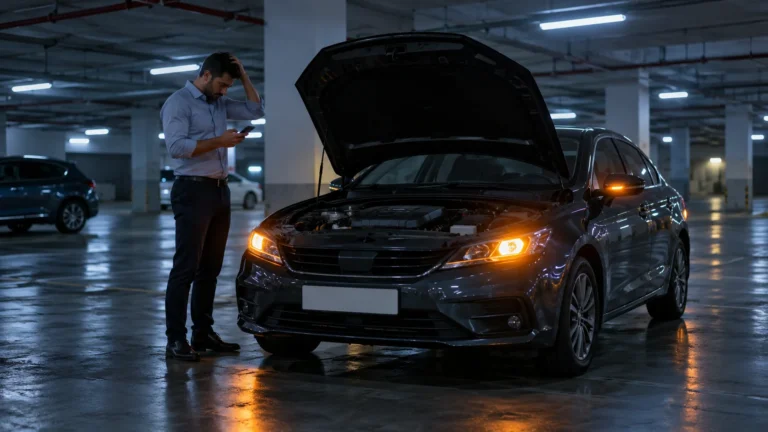
A car usually shuts off while driving because the engine loses fuel, spark or the signal that tells the ignition when to fire. The most common causes are a failing fuel pump, a faulty crankshaft position sensor, a worn ignition switch, a weak alternator or overheating. Get off the road safely first, then have the car scanned before replacing any parts.
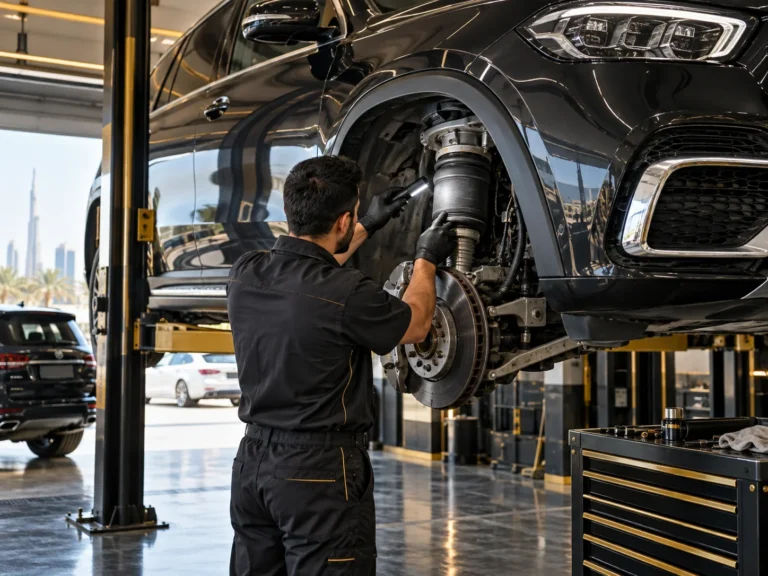
This guide is written by the Mechanics workshop team in Al Quoz, Dubai. Cars that cut out on the move are among the faults we diagnose most, and these are the patterns we see.
Use it to stay safe and to describe what happened. Then let a technician confirm the cause before any part is ordered.
What to do if your car shuts off while driving
When the engine cuts out, the steering and brakes still work, but they feel much heavier. Hold the wheel firmly, press the brake pedal harder than usual and do not pump it, as each press uses up the stored brake assist.
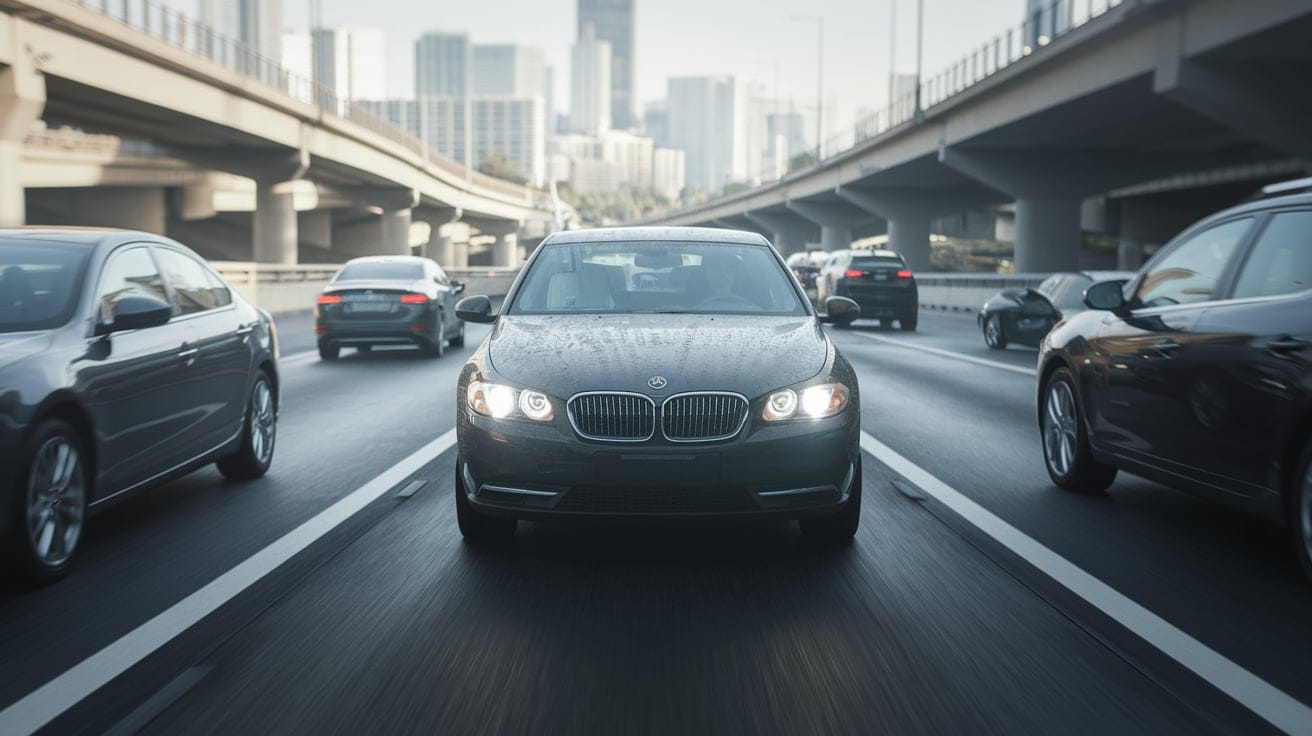
On a fast multi lane road such as Sheikh Zayed Road, the first seconds matter most. Stay calm and use the speed you still have to reach a safe spot.
- Switch on the hazard lights straight away
- Check your mirrors and signal before changing lanes
- Steer gently towards the hard shoulder or an exit
- Shift to neutral so the car rolls freely
- Brake firmly and steadily once you are clear of traffic
- Do not turn the ignition key to the lock position while moving, as the steering lock can engage
- Do not stop in a live lane if you can still roll to the shoulder
- Do not stand between the car and moving traffic
- Do not keep cranking the engine in a dangerous spot
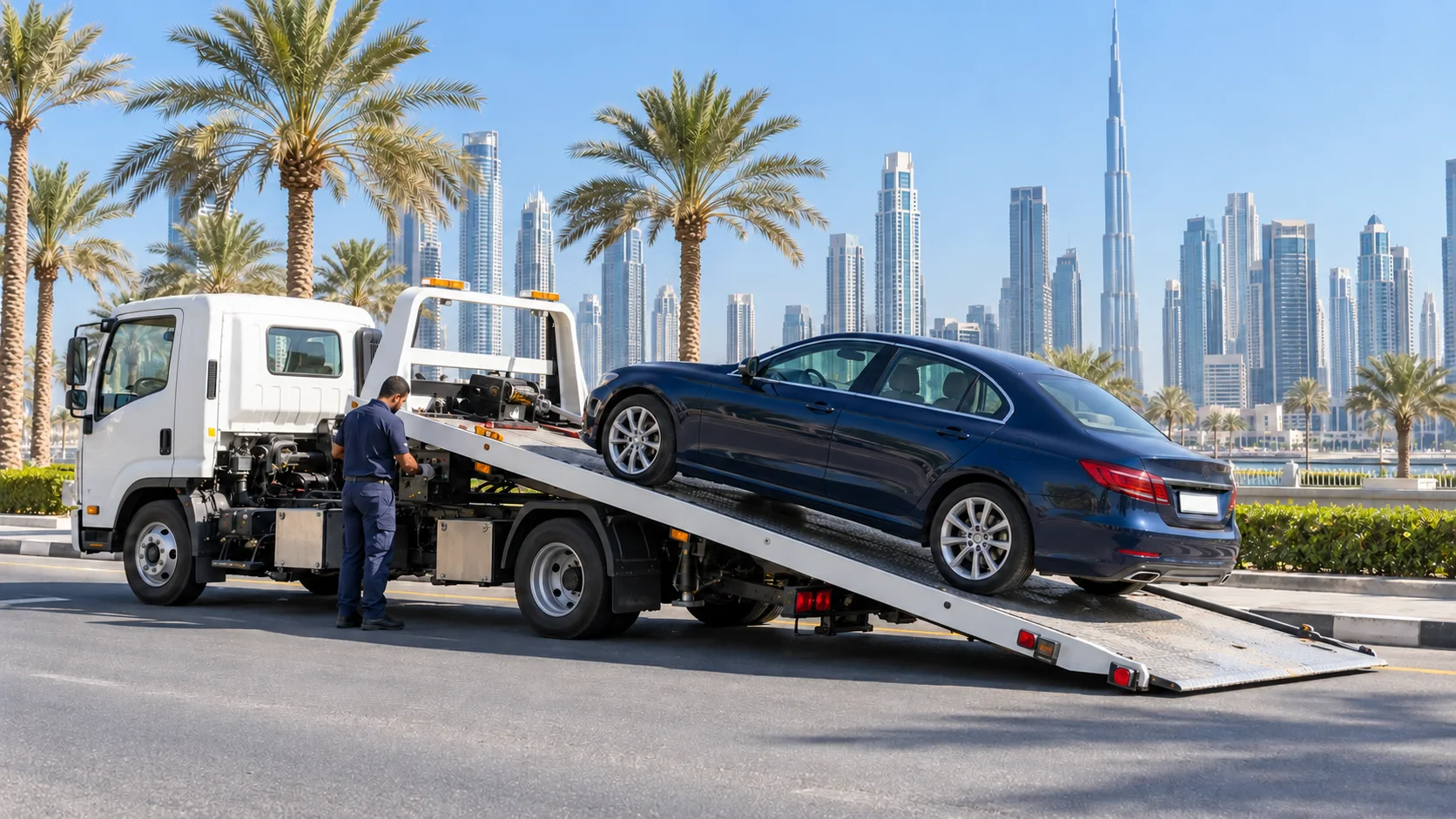
If you are stuck in a live lane, keep your seat belt on and call Dubai Police on 999. Once safely off the road, stand behind the barrier and arrange recovery.
| What happened | Risk level | What to do |
|---|---|---|
| Engine stalled once at idle, then restarted | Medium | Drive gently and book a scan soon |
| Engine cut out at speed and restarted | High | Avoid highways and book a check now |
| Battery light on before it died | High | Do not restart and drive far, arrange recovery |
| Temperature gauge high before it stopped | High | Do not restart, let it cool and arrange recovery |
| Engine will not restart at all | High | Stay safe and arrange recovery |
| Smell of fuel or smoke | Very high | Leave the car, move away and call 999 |
Did your engine cut out on the road? Send us the car model and what happened, and we will tell you whether it is safe to drive in or needs recovery.
How your engine keeps running
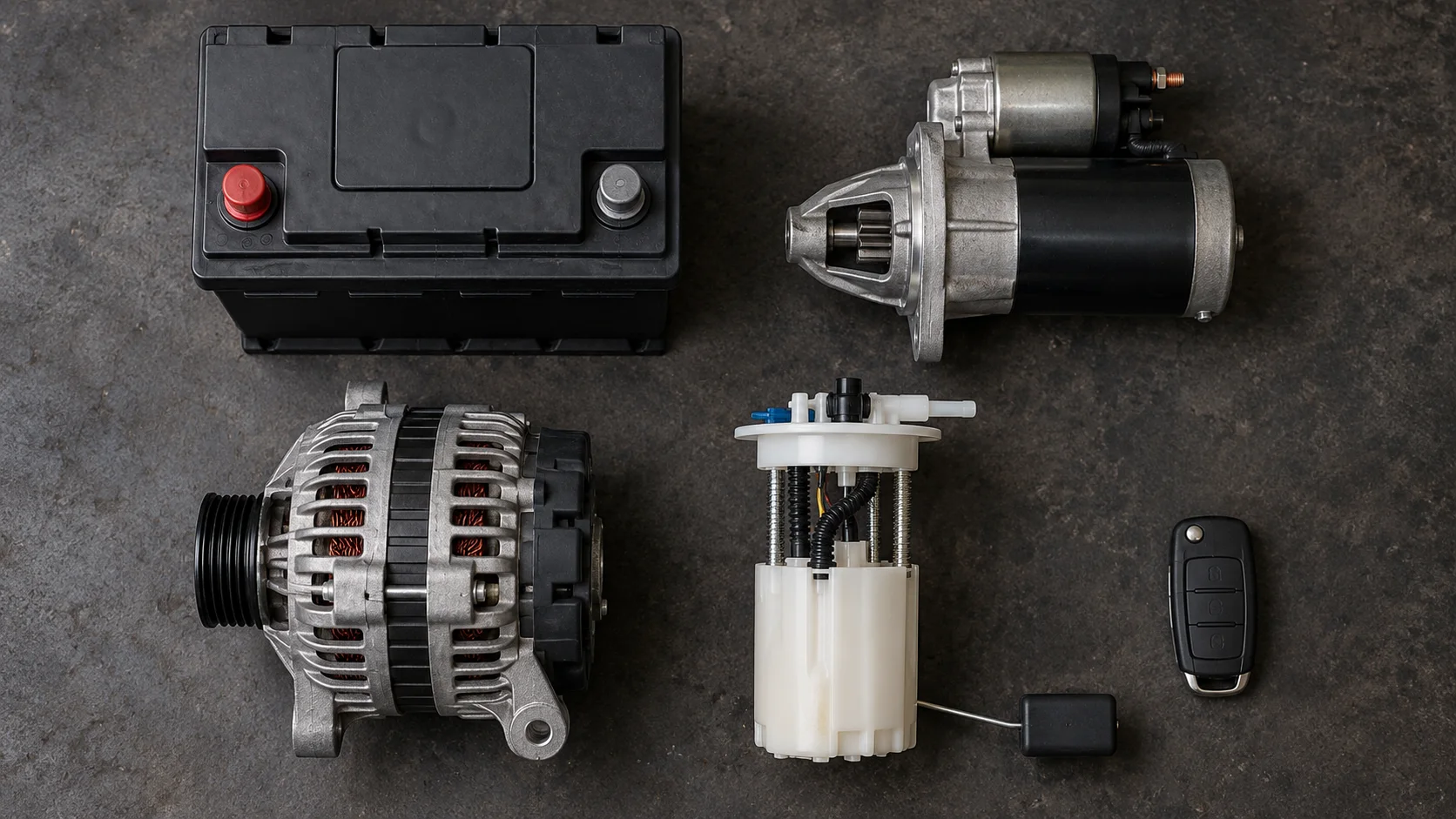
A running engine needs fuel at the right pressure, a strong spark at the right moment and stable electrical power. The engine control unit manages all three using sensor signals.
- Fuel pump and filter deliver fuel to the injectors
- Ignition coils and spark plugs light the mixture
- Crankshaft and camshaft sensors time the ignition and injection
- The ignition switch powers the engine computer and fuel pump relay
- The alternator keeps the voltage stable while driving
Pressure must stay steady
A weak pump or blocked filter starves the engine, often under load or when hot.
Ignition must fire on time
Coils, plugs and the ignition timing signal must all work together.
Sensors tell the computer
If the crank signal drops out, the computer stops fuel and spark at once.
Voltage must hold
Low voltage can reset modules and cut the ignition feed.
Symptoms and likely causes when a car shuts off
| What you notice | Possible cause | Check that confirms it |
|---|---|---|
| Cuts out when hot, restarts after cooling | Crankshaft position sensor, ignition coil, fuel pump | Scan, live data with the engine hot |
| Sputters and loses power before stopping | Fuel pump, fuel filter, fuel pressure regulator | Fuel pressure and volume test |
| Dash lights flicker, battery light on | Alternator, belt, battery, wiring | Charging system test |
| Everything goes dead over a bump | Ignition switch, loose battery terminal, earth strap | Wiring and switch checks |
| Stalls when stopping at lights | Idle air control, vacuum leak, gearbox torque converter | Scan, smoke test, gearbox data |
| Temperature high, then engine stops | Low coolant, fan, thermostat, water pump | Cooling system pressure test |
| Misfire and shaking, then stall | Ignition coil, spark plugs, injectors | Misfire counters and coil test |
Common causes of a car shutting off while driving
Most cases fall into one of these groups. Each one is confirmed with a test, not a guess.
1. Crankshaft or camshaft position sensor failure
What it does
It tells the computer engine speed and position so ignition and injection fire on time.
How it fails
Heat cracks the sensor body or wiring, so the signal drops out when hot.
How we confirm it
Stored codes, rpm dropping to zero in live data and a signal check.
A classic sign is a car that dies when warm and restarts after cooling down. In Dubai summers we see this pattern often.
2. Fuel pump, filter or pressure problems
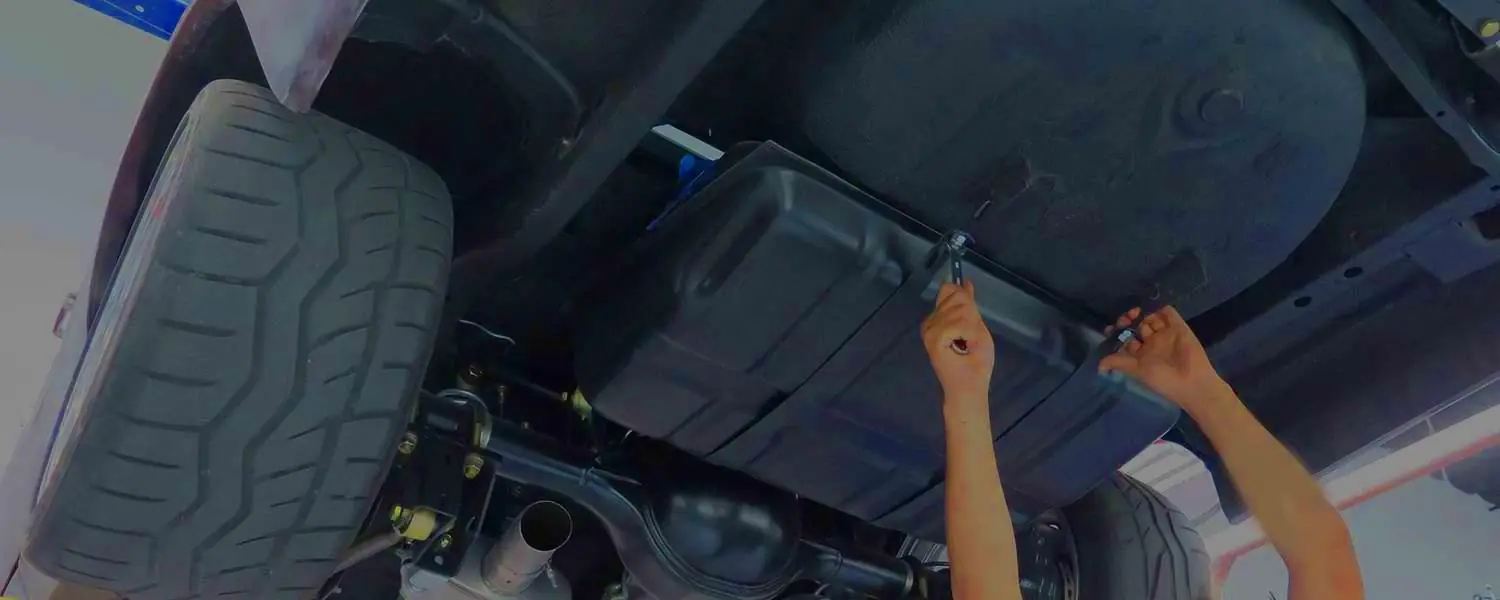
The in tank fuel pump must hold pressure at all speeds. A worn pump can work at idle but fail on a long highway drive.
- Power loss or surging at speed
- Whine from the rear of the car
- Long cranking before it starts
- Worse when the tank is low
See our fuel pump replacement service for that repair. A faulty regulator can cause similar signs, explained in our guide on bad fuel pressure regulator symptoms.
3. Ignition system faults
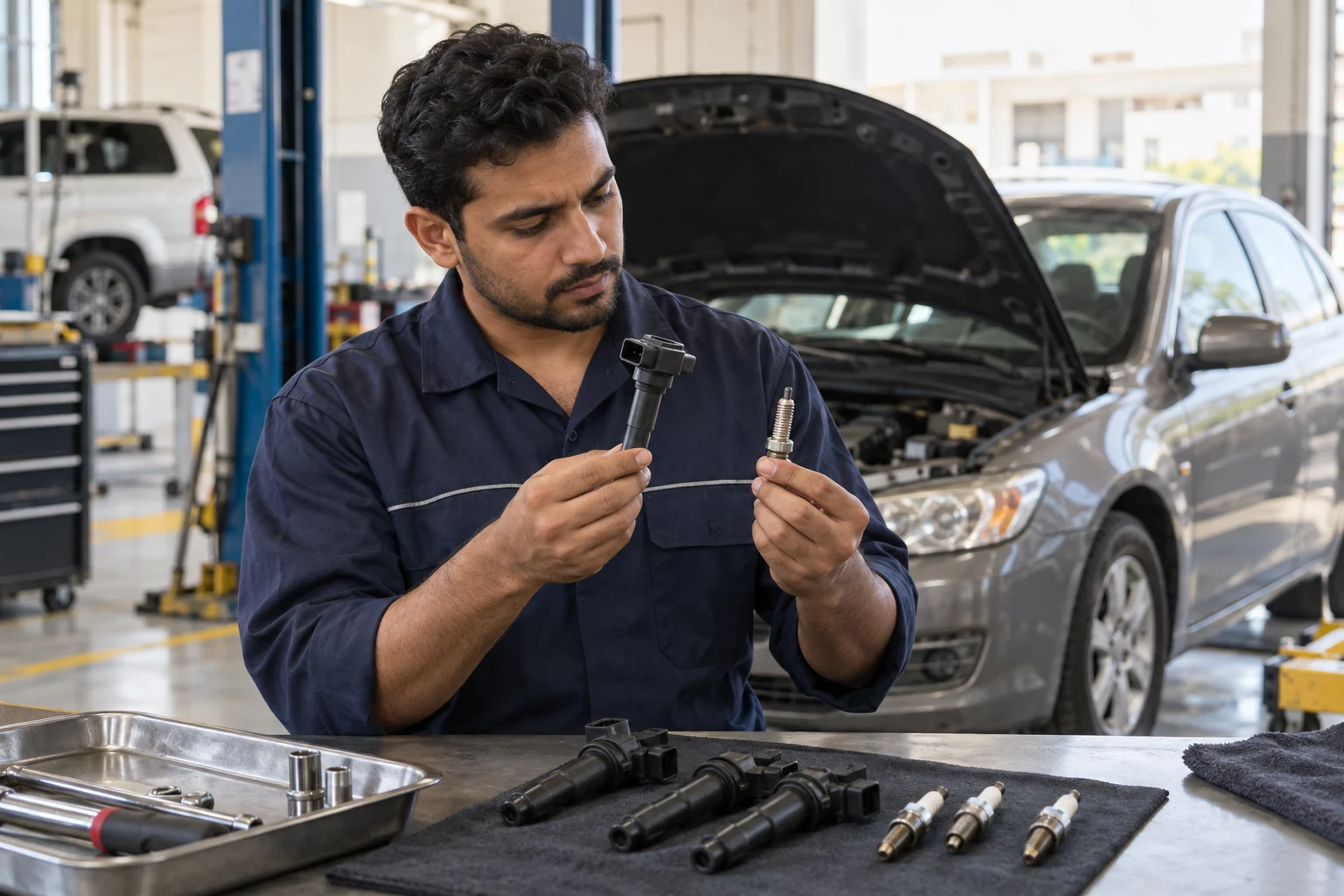
The ignition system turns battery power into a spark in each cylinder. Several ignition faults can stop the engine on the move.
- A failing ignition coil that cuts out when hot
- Worn spark plugs that cause misfires and stalling
- A worn ignition switch that loses contact over bumps
- A heavy key ring pulling on the ignition key
If the dashboard goes dark and the engine stops together, the ignition switch is a strong suspect. Our ignition switch repair page covers that work.
4. Alternator and charging failure
Battery light
The light comes on while driving, or the lights dim at idle.
Electrics fade
Radio, AC fan and gauges act up as voltage drops.
Engine stops
The battery runs flat and the ignition and fuel pump lose power.
A car with a failed alternator runs on battery power only, often for a short time. See our alternator repair service for testing and repair.
5. Battery, terminals and wiring
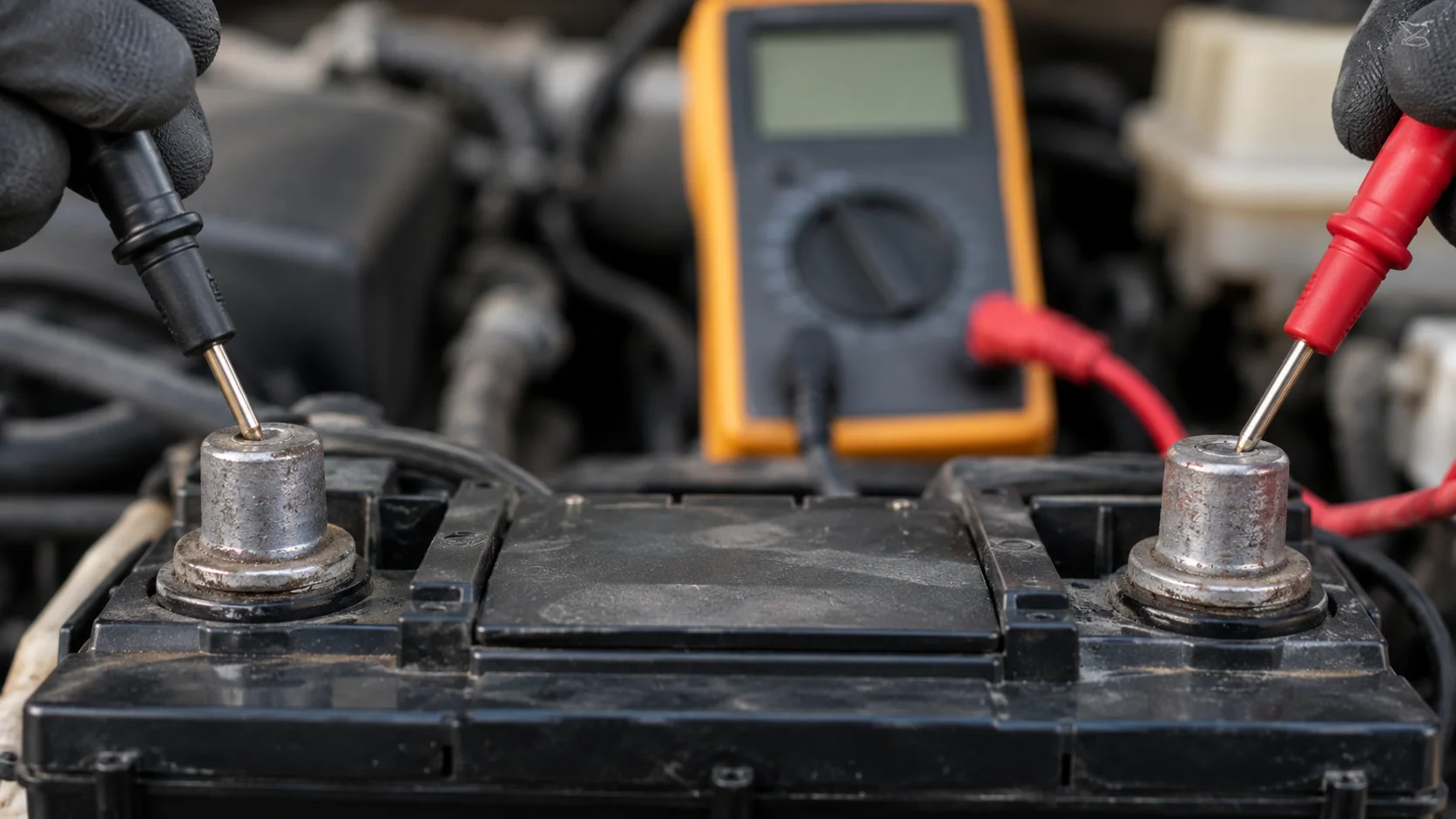
- Loose or corroded battery terminals that break contact over bumps
- A cracked earth strap between engine and body
- Chafed wiring near the engine or under the dash
- Water damage in fuse boxes or connectors
Our guide to corroded car battery terminals shows what to look for.
6. Overheating
| Cause | What happens |
|---|---|
| Low coolant from a leak | Temperature climbs quickly in traffic |
| Radiator fan not working | Overheats at low speed or idle |
| Stuck thermostat | Gauge rises even on the highway |
| Failing water pump | Coolant stops moving through the engine |
Some engines cut power or shut down to protect themselves. Restarting a hot engine can cause serious damage.
7. Other causes we find
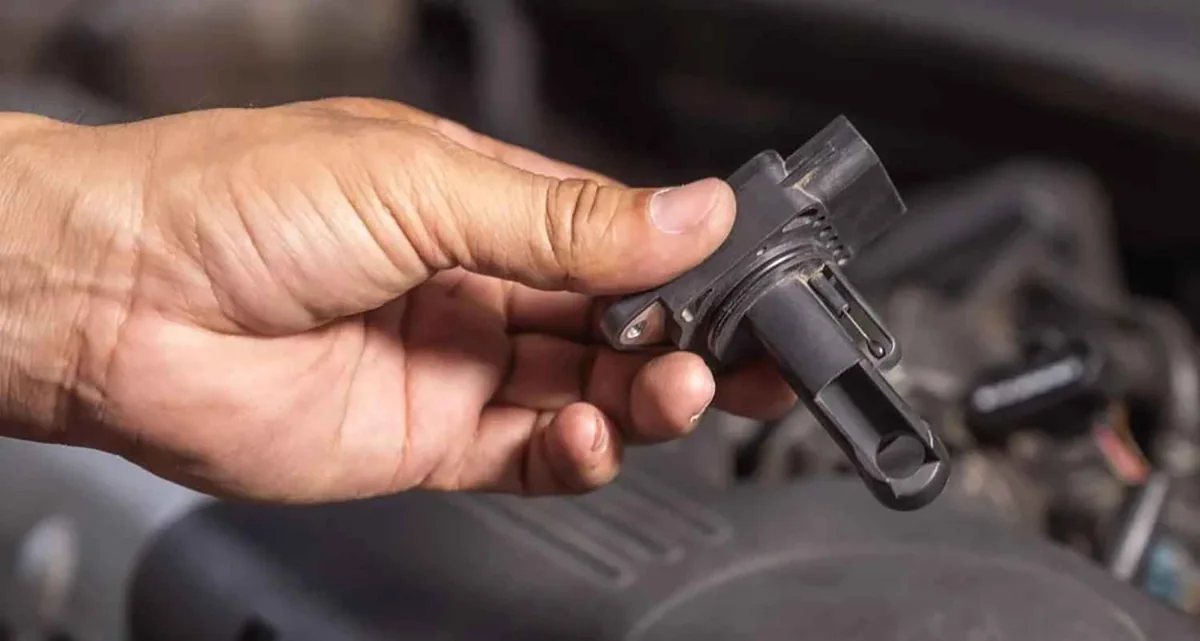
Sensor faults
A dirty mass airflow sensor can cause stalling at idle.
Vacuum leaks
Split hoses upset the idle and can stall the engine at lights.
Gearbox faults
A torque converter clutch that does not release can stall an automatic.
Engine computer
Rare, but software or module faults can cut the engine.
Gear related stalling sometimes comes with shifting problems, see why a car will not go into gear. Our engine control unit guide explains the computer side.
What you can safely check yourself
- Note any warning light that came on before the engine stopped
- Check the fuel gauge, a faulty gauge can hide an empty tank
- Look at the temperature gauge before restarting
- Check that the battery terminals look tight and clean, engine off
- Look for fresh fluid spots under the car
- Write down speed, temperature and whether the engine was hot
- Remove a heavy key ring from the ignition key
- Do not open a hot cooling system or radiator cap
- Do not work under the car or lift it
- Do not touch fuel lines or the fuel pump wiring
- Do not keep driving after a second cut out at speed
How Mechanics diagnoses a car that shuts off
-
Listen to you
Speed, temperature, warning lights and whether it restarted.
-
Full system scan
Engine, gearbox and body modules are read for stored codes and freeze frame data. See our car computer diagnostic check.
-
Live data review
We watch crank signal, fuel trims and voltage, ideally with the engine hot.
-
Charging and battery test
Battery health, alternator output and ripple are measured.
-
Fuel delivery test
Fuel pressure and volume are checked against the maker’s figures.
-
Ignition and wiring checks
Coils, plugs, the ignition switch feed and earth points are tested.
-
Written quote
You get the findings and the price before we start.
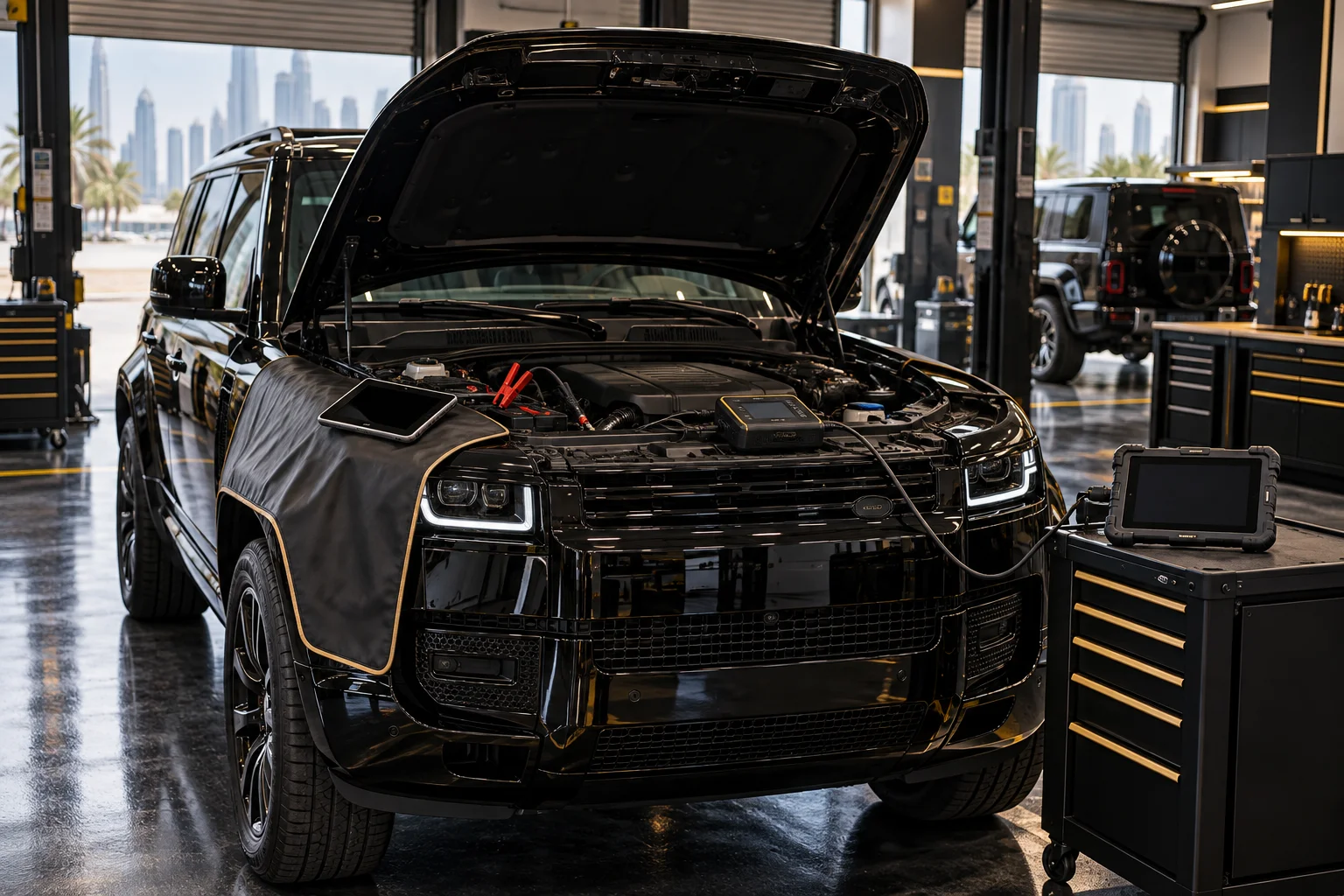
Intermittent faults can be hard to catch. If the car runs fine in the workshop, a road test with live data often finds the cause.
Common repairs and what they fix
| Repair | Fixes | Usually followed by |
|---|---|---|
| Crankshaft position sensor | Hot cut outs, no rpm signal | Code clear and hot road test |
| Fuel pump replacement | Low pressure, power loss, stalling | Pressure test and leak check |
| Fuel filter replacement | Restricted flow, surging | Pressure test |
| Ignition coil or spark plugs | Misfire, shaking, stalling | Misfire counter check |
| Ignition switch repair | Power loss over bumps | Starting and power checks |
| Alternator repair | Battery light, flat battery, cut outs | Charging test |
| Cooling system repair | Overheating shutdowns | Pressure test and fan check |
For ignition parts see ignition coil replacement. For overheating see our radiator repair service.
What affects the cost of fixing a car that shuts off?
The real cause
A sensor is a small job, a fuel pump in the tank is a larger one.
Access
Some pumps and sensors need seats, tanks or covers removed.
Parts choice
Genuine, OEM equivalent or rebuilt parts change the total.
Diagnosis time
Intermittent faults can need road testing and extra checks.
Initial computer scan estimates on our site range from AED 100 to AED 400, see the diagnostic scan price section. A conventional alternator replacement guide is AED 800 to AED 2,500 on the alternator price section.
Your final quote depends on the car and what we find. The initial inspection is free, and you get a written quote before any work.
How Dubai conditions make cars shut off
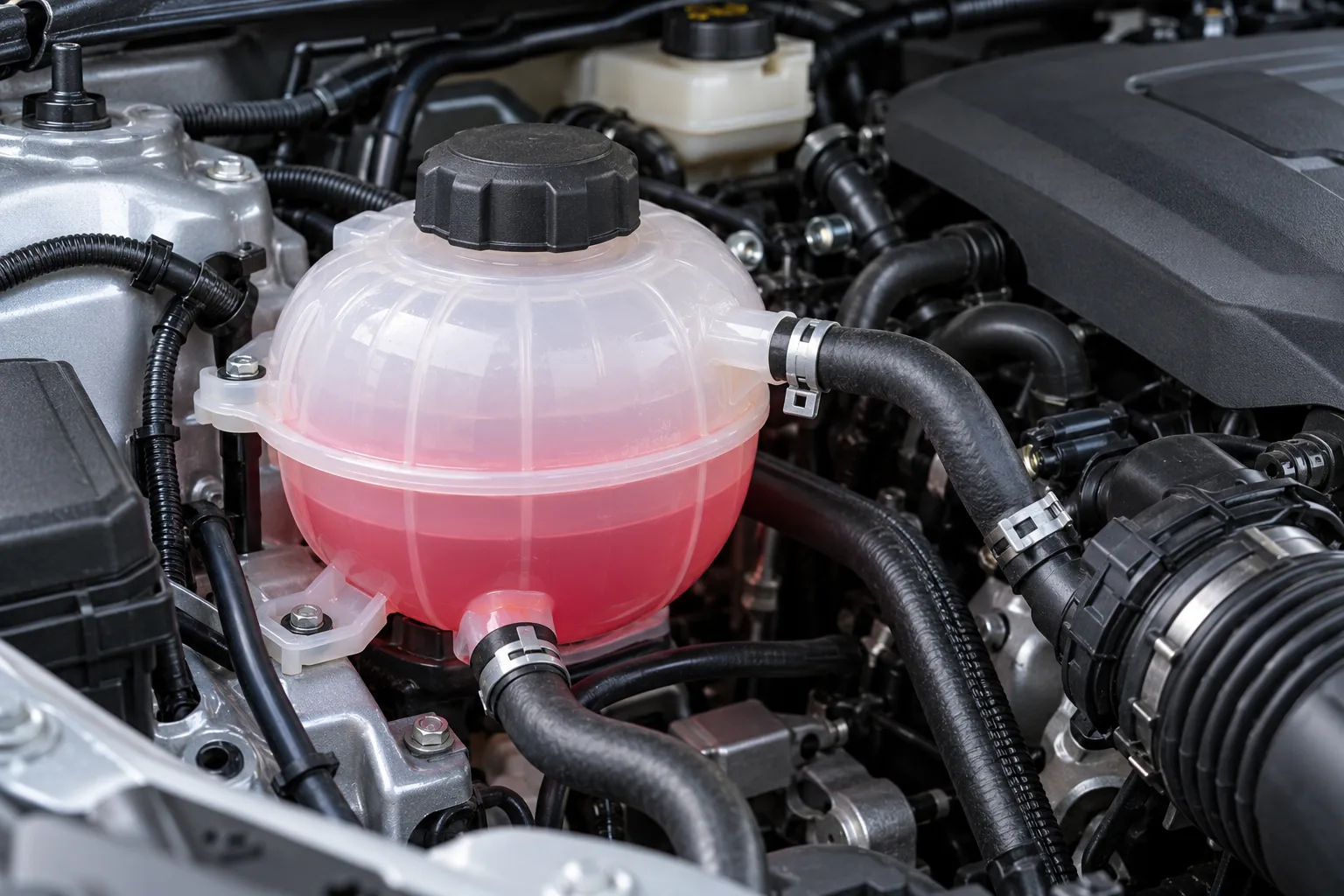
Summer heat pushes every part under the bonnet harder. Many shut off faults first show up in July and August.
Sensors and coils fail hot
Electronic parts that are weakening often fail first at high temperature.
Stop start load
Slow traffic with the AC on strains the cooling system and alternator.
Shorter battery life
Heat ages batteries faster, and a weak battery strains the alternator.
Pump runs hotter
The fuel cools the pump, so driving on a low tank adds wear.
How to prevent your car shutting off while driving
- Keep the fuel tank above a quarter, especially in summer
- Replace the fuel filter at the interval in your handbook
- Test the battery before summer and after three years of use
- Replace spark plugs on schedule
- Have the cooling system checked before the hot months
- Scan the car when any warning light appears
- Keep the ignition key ring light
What to send us
Make, model, year and mileage.
Speed, engine temperature and how long you had been driving.
A photo of any dashboard light.
Whether it restarted and how it ran after.
Book a shut off diagnosis. Send these details on WhatsApp and we will advise the next step before you drive in.
Questions about a car shutting off while driving
Why does my car shut off while driving?
The engine has lost fuel, spark or its timing signal. Common causes are a failing fuel pump, a crankshaft position sensor, an ignition coil or ignition switch fault, a failing alternator or overheating.
What should I do if my engine cuts out on the highway?
Switch on the hazard lights, hold the wheel firmly and steer to the hard shoulder. Shift to neutral and brake firmly without pumping the pedal, then call for recovery.
Why do the steering and brakes feel heavy when the engine stops?
Power steering and brake assist need the engine running. They still work, but you need more effort to steer and to press the brake pedal.
Is it safe to drive after the car restarts?
Only gently and for a short distance to a safe place or the workshop. The fault will usually return, so avoid highways until it is checked.
Can a bad alternator make a car shut off?
Yes. When the alternator stops charging, the car runs on the battery until voltage drops too low for the ignition and fuel pump, then the engine stops.
Can a bad battery cause the engine to cut out?
A battery alone rarely stops a running engine, but a loose or corroded terminal can. A very weak battery also strains the alternator.
Can a faulty ignition switch turn off the engine?
Yes. A worn ignition switch can lose contact over bumps and cut power to the engine. Often the dashboard goes dark at the same moment.
Why does my car shut off when it gets hot?
Heat sensitive parts such as a crankshaft position sensor, ignition coil or fuel pump often fail when hot. Overheating itself can also stop the engine.
Can low fuel make my car shut off?
Yes. Running low can starve the pump, especially on bends or hills. A faulty fuel gauge can also show fuel that is not there.
Will a check engine light come on before it stalls?
Not always. Some faults store a code without a light, so a scan is useful even when the dashboard looks normal.
Can a car shut off because of the gearbox?
Yes, on some automatics. A torque converter clutch that does not release can stall the engine when you stop.
Why does my car stall at traffic lights?
Idle faults are often caused by vacuum leaks, a dirty throttle body, a mass airflow sensor or gearbox issues. A scan and smoke test usually find it.
How long does diagnosis take?
A scan and basic tests are usually done in the same visit. Intermittent faults may need a road test or a hot engine check, which we explain before going ahead.
How do I book a check at Mechanics?
Send your car details and what happened on WhatsApp, or see our computer check page. You get a written quote before any work starts.